
Flowers
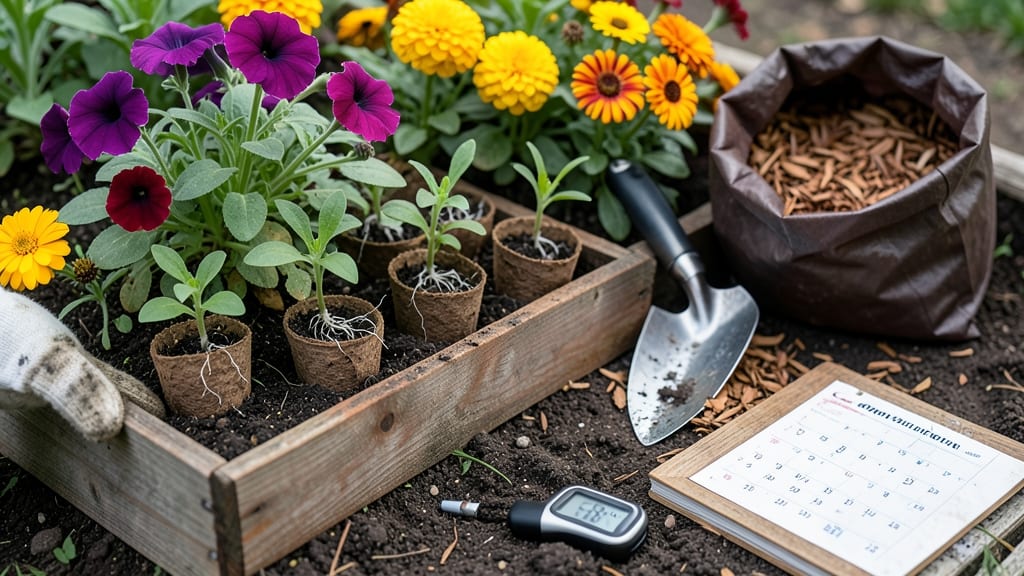
When is it safe to plant flowers in Michigan? Gardeners know the struggle—planting too early risks frost damage, while waiting too long can shorten your bloom season. Timing is everything, and the USDA Zone 5b-6b guidelines hold the key to zero-frost success.
Michigan gardeners know the struggle—planting too early risks frost damage, while waiting too long can shorten your bloom season. Timing is everything, and the USDA Zone 5-6 guidelines hold the key to zero-frost success.
In southern Michigan, where spring arrives a little earlier, you can often start planting by mid-April if you’re in a sheltered spot. But up in the Upper Peninsula, it’s safer to wait until early May.
The difference can mean the difference between a thriving garden and a sad, frost-nipped one.
Below, I’ll break down the exact frost-free dates by region, share how to use row covers for an earlier start, and highlight the hardiest flowers that can handle a little chill. You’ll know exactly when to grab those trowels and get planting!
Michigan’s frost-free dates by region: USDA Zone 5 vs. 6 planting timeline
Michigan’s USDA Zones 5b-6b create distinct planting windows across regions, making frost-free dates critical for flower success. In Zone 5 (northern Michigan), last frost typically arrives May 1-15, while Zone 6 (southern Michigan) sees frost-free conditions 2-3 weeks earlier.
These differences directly impact when you can safely plant annuals vs. perennials and choose heat-tolerant varieties.
For annual flowers like marigolds or zinnias, wait until soil temperatures reach 50°F+ and nighttime lows stay above 40°F. Perennials like coneflowers or black-eyed Susans tolerate cooler soil but still need frost-free nights. Always add a 2-3 week buffer—Mother Nature loves to surprise us with late frosts!
Here’s how three key cities compare: Detroit (Zone 6a), Grand Rapids (Zone 6b), and Traverse City (Zone 5b). Each has unique frost patterns that dictate your planting timeline. Understanding these will help you maximize bloom time while avoiding frost damage.
⚠️ NON-NEGOTIABLE: Always check your local weather forecasts and use frost cloth for early plantings. The Michigan State University Extension provides real-time frost alerts—bookmark their site for peace of mind.
In Detroit (Zone 6a), you can start planting heat-loving annuals like petunias by May 10, but wait until May 20 for frost-sensitive varieties. Perennials like coneflowers thrive here and can handle cooler springs. Use row covers for early plantings to extend your season by 2-3 weeks.
For Grand Rapids (Zone 6b), aim for May 15-25 to plant annuals. This region’s slightly later frost means you can push your bloom season longer. Try cosmos or zinnias—they handle Grand Rapids’ hot summers beautifully. Perennials like catmint also excel here.
Traverse City (Zone 5b) gardeners face the latest frosts, so wait until May 25-June 5 for annuals. Opt for sunflowers or nasturtiums, which tolerate cooler soils. Perennials like peonies reward patience with longer bloom times and lower maintenance.
Pro tip: Start heat-tolerant annuals indoors 6-8 weeks before your last frost date. This gives you a head start on the season and lets you enjoy longer blooms. For example, Detroit gardeners can transplant petunias indoors in March and move them outside by May 10.
Always monitor soil temperature—it’s the true indicator of planting readiness. A soil thermometer (under $15) is a game-changer. Aim for 50°F+ for most flowers, but 60°F+ for tropical varieties like begonias or impatiens.
Fall planting is another opportunity! In Zone 6, you can plant cool-season annuals like pansies or snapdragons as early as late August. In Zone 5, wait until early September to avoid early frosts. Perennials like aster or mums also thrive in fall plantings.
Remember: Microclimates matter. A south-facing wall or greenhouse
How to use Michigan’s microclimates to extend your flower planting season
Michigan’s diverse microclimates can be your secret weapon for a longer flower season. Whether you’re in a city garden with concrete heat absorption or a rural farm with open fields, understanding these pockets of warmth lets you plant earlier or later than the average frost dates suggest.
I’ve learned to exploit south-facing walls, greenhouse setups, and even my urban patio to coax blooms when they’d normally be frozen.
For example, my sunniest south-facing wall in Detroit stays 10°F warmer than the open garden by late April. This microclimate lets me plant pansies and snapdragons two weeks earlier than my neighbors—giving me extra blooms before summer heat arrives.
Meanwhile, my shady woodland garden stays cooler longer, perfect for hostas and astilbes that thrive in partial shade.
The key is matching flower hardiness to your microclimate. Here’s how to strategize:
-
🌱 Warm Microclimates (South Walls, Greenhouses)
Plant heat-lovers like petunias, marigolds, and geraniums 2-3 weeks earlier than average last frost dates. Use row covers for extra protection if nights dip below 40°F.
- 🌿 Cool Microclimates (Shady Spots, North Gardens) Stick to cold-hardy annuals like pansies, violas, and snapdragons. These thrive in 40-50°F soil and can handle light frosts. Perfect for extending your spring and fall seasons.
- 🏡 Urban Microclimates (Pavement, Rooftops) Heat-absorbing surfaces like concrete or asphalt create 5-10°F warmer zones. Ideal for drought-tolerant flowers like lantana or sedum, which love the extra warmth but need well-draining soil.
- 🌡️ Greenhouse & Container Setups Start tender annuals (like begonias or impatiens) indoors 6-8 weeks before your last frost. Move them outside only after nighttime temps stay above 50°F for a week.
- 🌧️ Fall Extensions (Late Planting) Use row covers or cold frames to plant kale, chrysanthemums, or asters in late August. These handle light frosts and often bloom into November in sheltered spots.
My biggest mistake was ignoring my microclimates entirely—I’d follow the USDA Zone 6 guidelines blindly, only to lose plants to late frosts in open areas or struggle with wilting in hot microclimates.
Now, I test soil temps with a thermometer and adjust planting dates based on where I’m gardening. For example, my south-facing raised bed gets flowers planted 3 weeks earlier than my north-facing patio.
Pro tip: Group flowers by heat needs in your garden. Place heat-lovers near south walls or pavement, and cool-season blooms in shadier, wind-protected spots. This creates a natural succession of color from spring through fall.
Last year, my pansies bloomed in April near the house, while zinnias thrived in July in the hottest spot—keeping my garden vibrant for 6 months straight.
Don’t forget to monitor local weather patterns beyond averages. I use the Michigan State University Extension’s frost maps as a baseline, but I’ve learned to trust my own observations—like when dandelions bloom or robins return—to fine-tune my timing.
With these strategies, you can turn Michigan’s unpredictable climate into an advantage for longer, more reliable blooms.