
Flowers
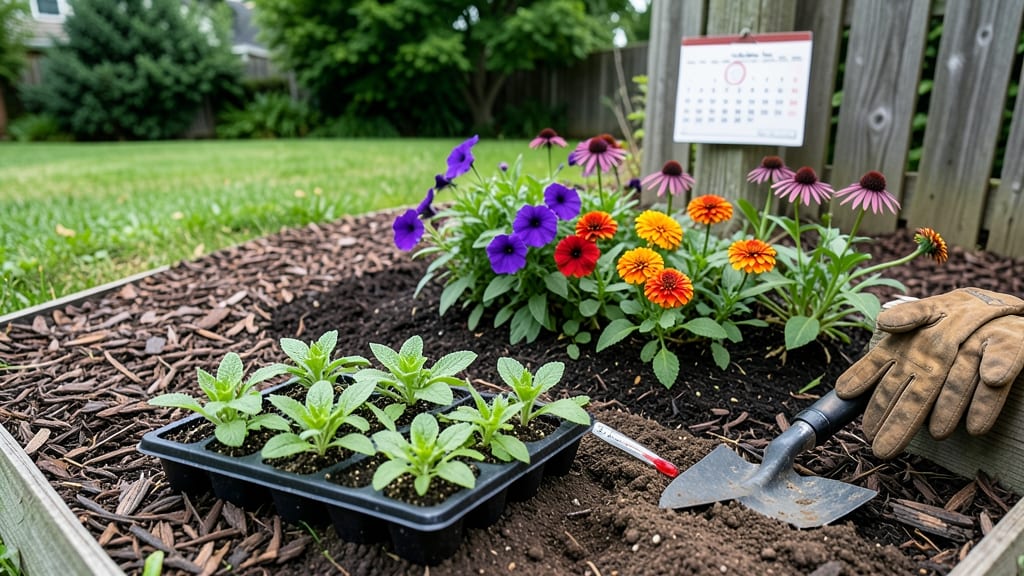
When is it safe to plant flowers in Ohio? After the last frost—around mid-April for most of the state—sets the stage for a showstopping garden that thrives all season long 🌸.
Ohio gardeners know the frustration of planting too early—only to watch frost nip delicate blooms before they even open. But timing your flower planting just right means vibrant gardens from spring to fall, with zero frost risk.
With USDA Zones 5-6, Ohio’s last-frost dates can vary by region, and soil temperature matters just as much as air temperature. Too soon, and tender roots freeze; too late, and summer blooms arrive late.
Here’s your Ohio-specific guide to planting flowers at the perfect moment, using exact deadlines, soil checks, and the 10-day rule for foolproof success.
Ohio’s exact frost-free dates by region: when to plant flowers in zones 5-6
Ohio’s USDA Zones 5-6 create a delicate balance for flower gardeners. One week too early, and frost can turn your tender seedlings into sad, crispy reminders of Mother Nature’s unpredictability. But get the timing right, and you’ll enjoy continuous blooms from spring through fall.
The key? Knowing your exact frost-free dates by region—and when to use Ohio’s famous 10-day rule for safe planting.
While Ohio’s average last frost dates range from mid-April to early May, 2024 projections suggest slight variations based on recent climate trends. For example, Cincinnati’s last frost typically arrives around April 15, but Toledo often waits until April 22.
These differences matter when choosing between cool-season annuals (like pansies) and warm-season favorites (like zinnias). Let’s break down the specifics for Ohio’s four major gardening regions.
Why timing matters: Flowers planted too early face frost damage, while those planted too late miss their full blooming potential. The 10-day rule—waiting 10 days after your region’s last frost date—gives plants time to establish roots before summer heat arrives. For direct-sown seeds, this window is even narrower: soil must reach 50°F+ consistently.
Pro Tip: Use a soil thermometer to confirm readiness. Cold soil can stunt growth even after air temperatures warm up. Pair this with your local National Weather Service alerts for real-time frost updates.
Notice how Toledo’s later frost date pushes safe planting into early May? This is why hardy annuals like pansies thrive there—while Cincinnati’s earlier window allows for earlier Dahlias.
For perennials, like coneflowers or black-eyed Susans, you can plant as early as late March in protected microclimates (like south-facing slopes), but always use row covers for insurance.
Here’s how to apply the 10-day rule for both transplants and direct sowing: 1. Transplants (purchased plants): Wait 10 days after your region’s last frost and ensure nighttime temps stay above 50°F.
- Direct sowing (seeds): Soil must be 50°F+ and frost-free for 10 consecutive nights. Use a seedling heat mat if sowing early.
For fall planting, aim for 6-8 weeks before your first frost (typically September 15-October 1). Cool-season flowers like asters and chrysanthemums love this window. Pro tip: Use mulch to extend fall blooms by insulating roots.
Ohio’s microclimates can shift frost dates by 1-2 weeks. Urban areas (like Columbus) often warm faster than rural zones. To account for this, monitor your local Cooperative Extension Service reports or use smart garden sensors
Best flowers to plant by Ohio’s planting windows: cool-season vs. warm-season timing
Ohio’s two distinct planting windows—cool-season and warm-season—determine which flowers thrive in your garden. Cool-season bloomers like pansies and snapdragons handle spring’s chill, while warm-season favorites like zinnias and marigolds wait for summer’s heat. Mastering these timelines means longer bloom seasons with minimal frost risk.
For cool-season flowers, plant as soon as soil is workable (usually mid-March to early April in Ohio). These hardy annuals and perennials tolerate light frosts and even 32°F temperatures once established. Sweet peas and calendula are perfect early additions, while pansies and violas add color to winter gardens.
Switch to warm-season flowers after your last frost date (typically mid-April to early May in most of Ohio). These heat-loving plants—like petunias, marigolds, and zinnias—need consistent warmth (soil temps above 55°F) to thrive. Planting too early risks stunted growth or death.
🌱
Extend your blooms into fall by replanting heat-tolerant annuals like marigolds and zinnias in late July or August. These second-planting opportunities ensure color until first frost (typically mid-October in Ohio). Choose varieties labeled "heat-tolerant" or "long-blooming" for best results.
For perennials, divide and transplant in early spring (March-April) or early fall (September) to avoid stress. Daylilies and coneflowers are excellent choices—they establish roots quickly and rebound from Ohio’s unpredictable weather.
Pro tip: Use row covers or <