
Plants
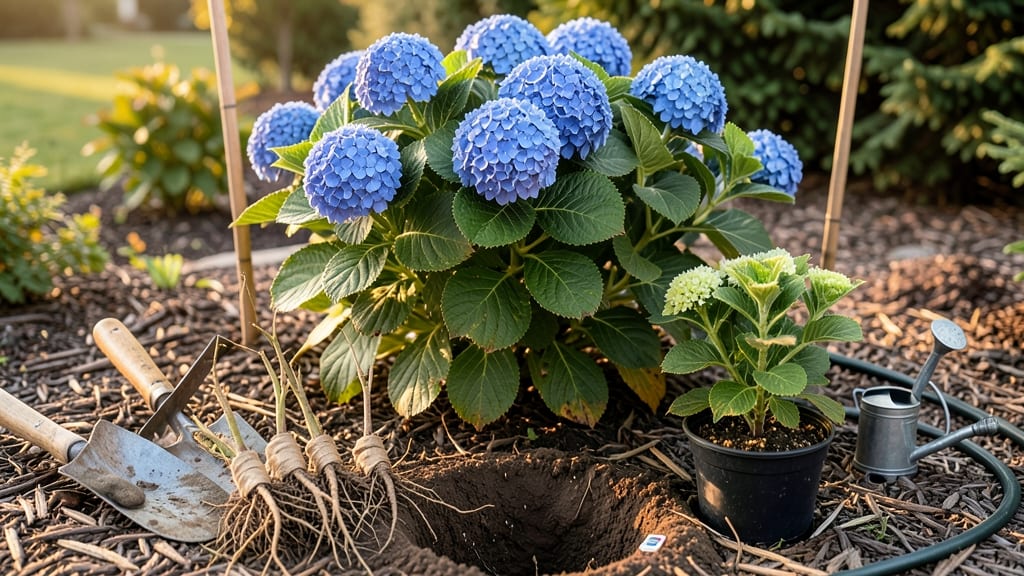
Planting hydrangeas in the Northeast at the right time ensures they thrive through winters and bloom vibrantly each season.
Timing your hydrangea planting just right in the Northeast can mean the difference between vibrant blooms and struggling shrubs—especially when harsh winters test their resilience. Whether you're in New England or the Mid-Atlantic, getting the window wrong risks frost damage or stunted growth.
For most of the Northeast (USDA Zones 5-7), the best times are spring after the last frost or early fall, about 4-6 weeks before the first frost. This gives roots time to establish before winter sets in, ensuring your 🌸 hydrangeas bounce back stronger.
In this guide, I’ll break down the exact frost-free windows for your zone, soil prep tips, and how to adjust for late frosts or microclimates. No more guessing—just confident planting for show-stopping blooms.
Optimal hydrangea planting windows by Northeast USDA zones (3-7)
Timing your hydrangea planting in the Northeast requires precision—especially across USDA Zones 3-7, where winters vary from brutal to mild. Plant too early, and frost will damage tender roots; too late, and your shrub won’t establish before winter.
The key? Understanding your frost-free window and soil temperature thresholds for each zone.
Most hydrangea varieties—like Bigleaf, Panicle, and Oakleaf—thrive when planted during two ideal windows: early spring (after last frost) or early fall (4-6 weeks before first frost). Soil temperatures should be at least 50°F (10°C) for root growth, but never above 85°F (29°C), which stresses roots.
Here’s a zone-by-zone breakdown of your frost-free planting windows, including soil temp targets and variety-specific tips to ensure your hydrangeas take root and flourish. Use this as your Northeast planting calendar for foolproof results.
In Zone 3, where winters are harshest, prioritize spring planting (late May–June) to avoid early frosts. Fall planting is risky but possible if you plant by September 15 and mulch heavily. Varieties like Limelight and Annabelle are cold-hardy choices that recover well from winter.
By Zone 4, you gain flexibility with a 2-week earlier spring window (early May) and a slightly extended fall window (until September 15). Endless Summer hydrangeas are ideal here—they rebloom even after frost damage.
Always test soil temperature with a soil thermometer before planting; roots won’t establish below 50°F (10°C).
Zones 5–7 offer the most planting flexibility, but timing still matters. Zone 5 gardeners can start as early as mid-April, while Zone 7 can plant in February if soil is workable. Oakleaf hydrangeas thrive in Zone 5’s milder winters, while Panicle types like PeeGee handle Zone 6’s humidity better.
Pro tip: Use a frost calendar from your local Cooperative Extension Service to pinpoint your exact last-frost date. For example, Boston (Zone 6b) averages its last frost on April 15, while Buffalo (Zone 6a) waits until May 1.
Adjust your planting by 2–3 weeks if you’re in a late-frost pocket.
For fall planting, aim to get roots established 4–6 weeks before first frost. In Zone 7, this means planting by October 15—but if you miss it, wait until spring. Always water deeply after planting and apply 3 inches of mulch to insulate roots.
Remember: Bigleaf hyd
Signs your Northeast region is ready for hydrangea planting (beyond zones)
Planting hydrangeas in the Northeast isn't just about checking your USDA zone—it's about reading your local microclimate. While zones 4-7 generally suggest spring planting, late frosts or urban heat islands can shift the ideal window by weeks.
I've learned the hard way that rural areas often thaw faster than cities, and elevation changes can delay planting by 3+ weeks in mountainous regions.
Instead of relying solely on calendar dates, focus on soil temperature and plant readiness. The key is waiting until the ground warms to at least 50°F (10°C) at 4-inch depth—this ensures roots establish before summer heat arrives.
For fall planting, aim for 4-6 weeks before first frost, but verify this with your local cooperative extension service.
Elevation plays a surprising role—every 1,000 feet higher can delay planting by 1-2 weeks. In the Adirondacks or Catskills, I've seen gardeners plant 3 weeks later than their zone 5 neighbors in the valley. For accuracy, combine your zone with elevation data from the USGS National Map.
Don't overlook urban heat islands either. Concrete and pavement can make city soils 10°F warmer than rural areas, potentially allowing earlier planting. However, this also means drought stress arrives sooner—mulch heavily to retain moisture during those hot urban summers.
For fall planting, I recommend testing soil moisture in late August. If the top 6 inches stay damp after rainfall, your region is likely ready. This method works better than calendar dates because rainfall patterns vary yearly—what's "normal" one year may be a drought the next.
Pro tip: Bookmark your local cooperative extension service's frost charts (like Cornell or Penn State's). They update annually and account for decadal climate shifts that zone maps can't capture. For example, zone 4 areas now often mirror zone 5 conditions by April.