
Plants
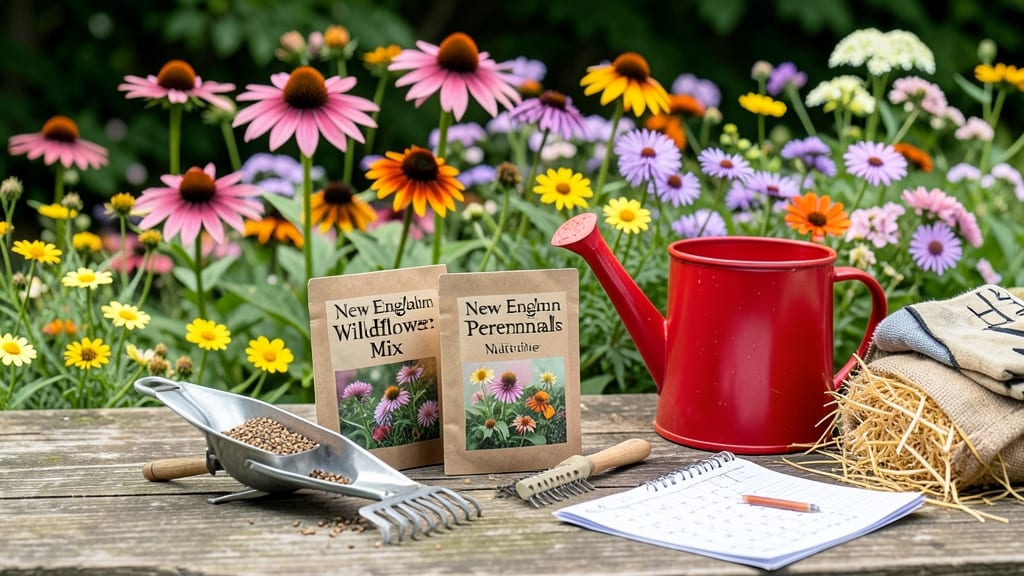
Planting wildflower seeds in New England at the right time means the difference between a burst of color next spring and a sad, frost-nipped failure.
Timing is everything when planting wildflower seeds in New England—plant too early and risk frost damage, too late and miss peak blooms. Get your garden’s colorful future right with the perfect frost-free window for your USDA zone.
New England’s climate throws a curveball, with coastal areas like Zone 6b warming faster than inland Zone 5b. Whether you’re sowing black-eyed Susans or wild bergamot, knowing your last frost date is the key to success.
Below, I break down the exact planting windows by zone, how to prep soil for rocky terrain, and why fall planting often beats spring for perennials. Ready to turn your yard into a pollinator paradise?
New England USDA zones and their ideal wildflower planting windows
New England’s USDA zones 3-7 create a diverse landscape for wildflower enthusiasts, where timing determines whether your seeds thrive or wither. Coastal areas like Maine’s 5a face earlier frosts than inland Vermont’s 4b, while Connecticut’s 6b enjoys longer growing seasons.
Understanding these microclimates helps you choose between spring and fall planting for maximum blooms.
For annual wildflowers, like cosmos or zinnia, the last frost date (mid-April to early May) signals the start of your planting window. Perennial varieties, such as black-eyed Susans or coneflowers, benefit from fall planting (August-September), giving roots time to establish before winter.
Let’s break down the best frost-free windows by zone and region.
| USDA Zone | Region | Spring Planting Window | Fall Planting Window | Key Notes |
|---|---|---|---|---|
| 3-4 | Northern Maine, NH Mountains | Mid-May to early June | Late August to mid-Sept | Short season; prioritize cold-hardy perennials like aster or goldenrod. |
| 4a-5a | Coastal Maine, VT, NH | Late April to mid-May | Early Sept to mid-Oct | Cooler coastal areas; extend fall window with row covers. |
| 5b-6a | Massachusetts, RI, CT | Early April to early May | Mid-August to early Sept | Ideal for annuals like sunflowers and perennials like bee balm. |
| 6b-7a | Southern CT, Long Island | Late March to mid-April | Late Sept to early Oct | Longest season; experiment with tropical natives like butterfly weed. |
In coastal zones (3-5a), where salty winds and chilly ocean breezes delay soil warming, aim for late April to early May for spring planting. These areas also experience earlier first frosts (late September), so fall planting must wrap up by mid-September.
For inland regions like western Massachusetts, soil warms faster, allowing early April starts—just monitor frost forecasts closely.
For perennial wildflowers, fall planting is often superior because seeds germinate in cool, moist soil and establish roots before dormancy. Annuals, however, prefer spring planting to take full advantage of the growing season.
For example, coreopsis thrives when sown in spring, while purple coneflower benefits from a fall start. Always check seed packets for species-specific advice.
Adjust your planting timeline if you’re in a microclimate, like a south-facing slope (warmer) or a valley (cooler). Use a soil thermometer to confirm 50°F+ soil temps before planting—this ensures consistent germination.
In zone 6b-7a, you can even try early March sowings under row covers for a head start.
Don’t overlook moisture retention during germination. New England’s unpredictable spring rains can either drown or dry out seeds. After sowing, apply a light mulch (straw or leaves) to retain even moisture without suffocating seedlings. This is especially critical in zone 3-4, where drought stress is common.
Pro tip: Native wildflowers (e.g., new England aster
How to choose between spring vs. fall planting for wildflowers
Deciding between spring and fall planting for wildflowers in New England depends on your climate zone, soil conditions, and the wildflower species you’re growing. Both seasons offer unique advantages, but understanding their pros and cons will help you choose the best time for your garden’s success.
Spring planting gives you an earlier bloom time and allows seeds to establish before summer heat. However, early spring can bring unpredictable frost risks and wet soil that delays germination.
Fall planting, on the other hand, lets seeds germinate in cooler weather, reducing weed competition and providing a head start in spring.
Spring Planting
- Pros: Earlier blooms, longer growing season
- Cons: Frost risk, weed competition, slower establishment
Fall Planting
- Pros: Cooler soil temps, less weed pressure, better germination
- Cons: Limited time window, potential early frost
For spring planting, aim for late March to early April in most of New England, once the soil is workable but before the last frost date.
This timing ensures seeds don’t rot in cold, wet soil while avoiding late frosts that can damage tender seedlings. Coreopsis and bee balm thrive when planted in spring, benefiting from the longer growing season.
Fall planting is ideal from mid-August to early September, allowing seeds to germinate in cooler weather and establish roots before winter. Black-eyed Susans and coneflowers are perfect for fall sowing—they’ll bloom earlier the following year.
The cooler temps also reduce weed competition, giving your wildflowers a better chance to take hold.
Consider your soil moisture and local climate when choosing. In drier inland areas, fall planting conserves moisture, while coastal regions with milder winters may benefit from spring planting. Always prepare your soil with a light raking and a thin layer of compost to create the perfect seedbed.
If you’re unsure, start with a small test patch of seeds in both seasons to see which works best for your garden. Many wildflowers, like goldenrod and aster, adapt well to either time, but species like lupine prefer fall planting for optimal growth.
Remember, the key to success is timing and preparation. Whether you choose spring or fall, your wildflowers will reward you with vibrant blooms and a thriving ecosystem for pollinators. Happy planting! 🌼