
Plants
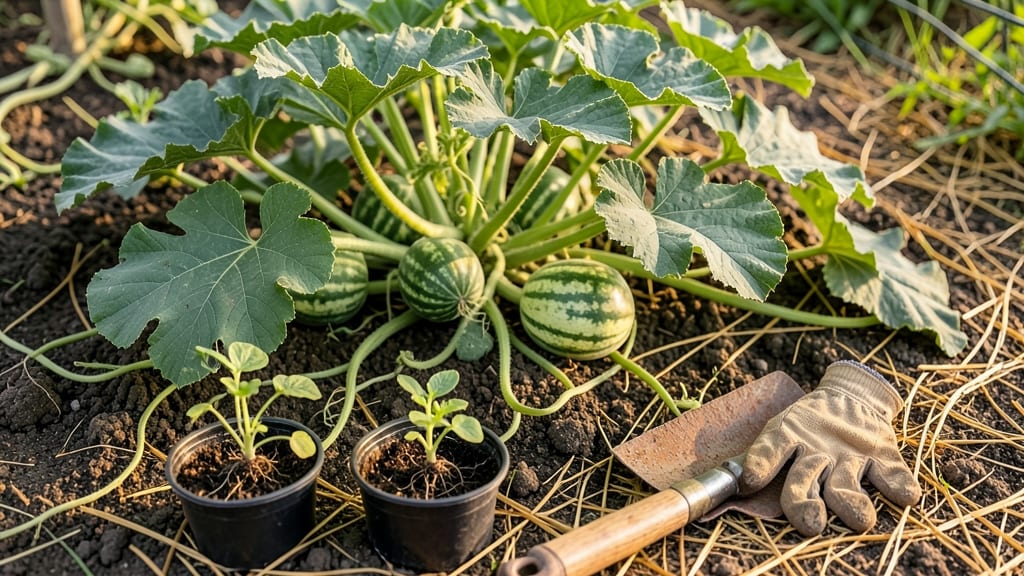
Planting watermelon in Florida at the right time means the difference between a bumper crop of sweet, juicy fruit 🍉 and wilted vines that never set fruit.
Florida’s scorching summers and unpredictable weather can make watermelon gardening a gamble—but timing your planting right ensures juicy, vine-ripened fruit instead of bitter disappointment. The key? Two distinct windows: spring (mid-March to early May) and summer (late July to mid-August), when soil temperatures hit 70°F+ and stay there.
Why does this matter? Watermelons hate cold soil, and planting too early—even in Florida’s frost-free zones—can stunt growth or invite disease. Meanwhile, waiting too long risks heat stress before the fruit even ripens.
Below, I’ll break down the exact planting dates for your region, the heat-resistant varieties that thrive here, and how to prep soil for maximum yields.
Ready to grow watermelons that outshine the grocery store? You’ll learn how to time it perfectly, avoid common mistakes, and pick the best varieties for Florida’s climate—so you can enjoy homegrown sweetness from May through October.
Optimal planting windows in Florida: soil temperature and frost-free zones
Florida’s unique climate—with its frost-free zones and long growing seasons—makes it an ideal place for watermelon cultivation. However, the best planting windows depend on your specific region, whether you're in North Florida (Zone 8a) or South Florida (Zone 10+).
The key to success? Planting when soil temperatures consistently reach 70°F or higher, ensuring rapid germination and healthy vine growth.
In Florida, watermelon thrives in two primary planting windows: spring (March to early May) and summer (late July to mid-August). These periods align with Florida’s frost-free periods, which vary dramatically from north to south.
North Florida may experience light frosts as late as early March, while South Florida enjoys year-round frost-free conditions. Understanding these differences helps you avoid early-season frost damage or heat stress during peak summer months.
Here’s a quick breakdown of Florida’s frost-free zones and how they impact your planting schedule:
| Region | USDA Zone | Last Frost Date | Best Planting Window | Soil Temp Requirement |
|---|---|---|---|---|
| North Florida (e.g., Jacksonville, Gainesville) | 8a-9a | Late January - Early March | Mid-March to early May | 70°F+ (wait for stable warmth) |
| Central Florida (e.g., Orlando, Tampa) | 9b-10a | None (rare micro-frosts) | Late February to early April | 70°F+ (soil warms faster) |
| South Florida (e.g., Miami, Fort Lauderdale) | 10b-11 | None (tropical climate) | Year-round (peak: March-April & July-August) | 70°F+ (consistent year-round) |
For North Florida growers, the spring planting window (mid-March to early May) is critical because it allows watermelons to mature before summer heat stress sets in. Planting too early risks frost damage, while planting too late may result in smaller yields due to intense summer heat.
Use a soil thermometer to confirm 70°F soil temperatures before sowing seeds.
In Central Florida, the spring window (late February to early April) is ideal for avoiding humidity-related diseases like powdery mildew. However, summer planting (late July to mid-August) is also productive if you provide adequate shade cloth during the hottest afternoons.
Central Florida’s microclimates mean urban areas (like Orlando) may experience slightly cooler nights than rural zones.
South Florida’s tropical climate offers the most flexibility, with year-round planting possible. However, the best yields come from spring (March-April) and summer (July-August) plantings. The longer daylight hours in summer accelerate growth, but heavy rainfall can lead to blossom-end rot or fungal infections.
Always plant in well-draining soil and use mulch to retain moisture without suffocating roots.
Regardless of your Florida region, direct sowing seeds is preferred over transplants, as watermelon vines hate root disturbance. Space seeds 12-18 inches apart in raised beds or hills to improve drainage.
If you’re in Zone 10+, consider succession planting every 2-3 weeks to extend your harvest season from May through October.
One critical tip for Florida watermelon growers: Monitor humidity levels. Watermelons thrive in 60-80% humidity, but excessive moisture (especially in summer plantings) can invite powdery mildew or bacterial wilt. Use drip irrigation to keep foliage dry and apply neem oil preventatively if humidity exceeds 85%.
Finally, adjust your planting schedule based on your local microclimate. Coastal areas may experience cooler evenings than inland zones, while urban heat islands can push soil temperatures higher earlier in the season.
Always check local frost data from the Florida Climate Center and use row covers if planting near late-season frost risks.
By aligning your planting windows with soil temperatures and frost-free zones, you’ll maximize your watermelon’s potential in Florida’s diverse climate. Whether you’re in freeze-prone North Florida or tropical South Florida, timing is everything for a bountiful, sweet harvest.
Top 5 heat-resistant watermelon varieties for Florida growers
Florida’s intense heat and humidity demand heat-resistant watermelon varieties that thrive without wilting. These five top-performing varieties are bred to handle the Sunshine State’s climate while delivering sweet, juicy fruit. Whether you’re a beginner or seasoned gardener, these picks ensure high yields and disease resistance.
Choosing the right variety isn’t just about heat tolerance—it’s also about maturity timelines and planting windows. Some mature faster, perfect for Florida’s short growing seasons, while others handle prolonged summer heat better. Let’s dive into the best heat-resistant options and when to plant them for maximum success.
‘Sugar Baby’ is a dwarf variety perfect for Florida’s heat, maturing in just 70 days. Its small size (4-6 lbs) makes it ideal for containers or small gardens, and it thrives in USDA Zones 8-11. Plant seeds in March-April for spring harvests or August for fall yields.
‘Crimson Sweet’ is a classic heat-tolerant variety with 90-day maturity, producing large, sweet fruits weighing 20-30 lbs. It handles Florida’s humidity well but needs well-draining soil to prevent rot. Start seeds in late February-March for summer harvests.
‘Charleston Gray’ is a disease-resistant favorite with 80-day maturity, perfect for Florida’s short growing seasons. Its gray-streaked rind adds visual appeal, and it performs well in high-heat conditions. Plant in March or August for two harvests per year.
‘Black Diamond’ is a high-yielding variety that thrives in Florida’s heat, maturing in 85 days. Its dark green rind hides streaks, and it’s resistant to fusarium wilt, a common Florida issue. Sow seeds in April-May for summer harvests or July for fall.
‘Jubilee’ is a sugar-enhanced variety with 80-day maturity, ideal for Florida’s climate. Its sweet flavor and heat tolerance make it a top pick. Plant in March-April for spring harvests or July-August for fall yields.
For maximum success, pair these varieties with mulch and consistent watering to combat Florida’s heat. Choose based on your planting window and space—dwarf varieties for small gardens, larger ones for big plots.