
Flowers
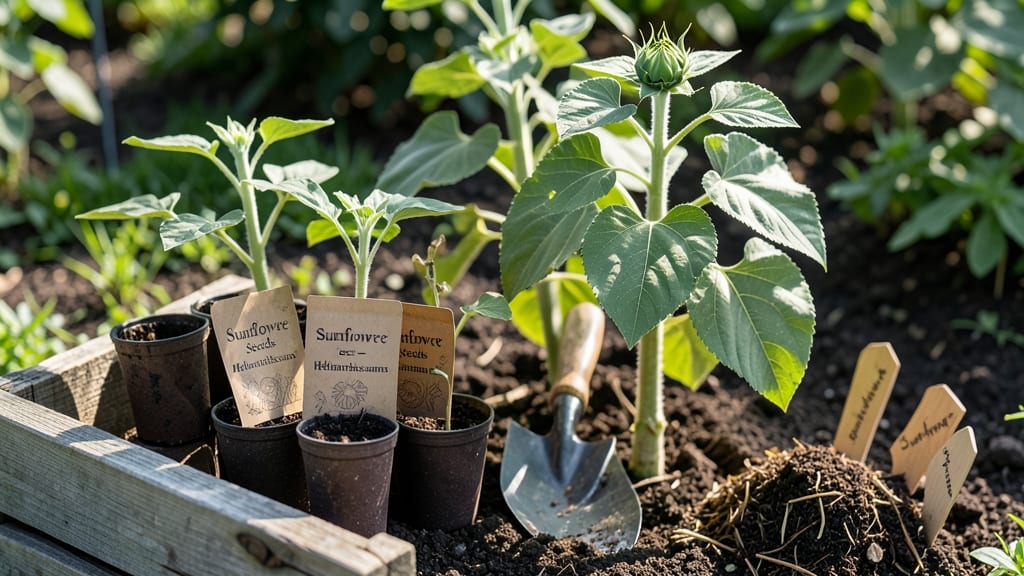
Planting sunflowers in Central Florida at the wrong time can leave you with sad, stunted 🌻 stalks instead of towering blooms.
Sunflowers thrive in Central Florida’s warm climate—but planting them at the wrong time can mean stunted growth, fewer blooms, or even total failure. Timing is everything, and these golden giants demand precision to reach their full potential.
Here’s the secret: March-April for spring planting and August-September for a late-summer harvest. Miss these windows, and you’ll end up with leggy, weak plants struggling to survive Florida’s heat or rain.
In this guide, I’ll break down the exact planting schedule for your zone, the best sunflower varieties for Central Florida’s heat, and the three mistakes that kill sunflowers before they even bloom.
Best planting timeline for sunflowers in Central Florida’s climate zones
Central Florida’s USDA zones 9a-10a offer a near-year-round growing season, but sunflowers still need precise timing to thrive. Unlike northern climates, we don’t battle frost as much as heat stress and humidity spikes.
The key is planting when soil temperatures stay above 60°F consistently, giving seeds the ideal environment to germinate without rotting.
Most gardeners focus on spring planting (March-April), but late summer (August-September) works too—if you choose the right heat-tolerant varieties. Each of Central Florida’s major cities—Orlando, Tampa, and Gainesville—has slightly different microclimates that affect your planting window by 1-2 weeks.
Soil temperature is your best indicator, not just calendar dates. Use a soil thermometer to confirm your garden bed has reached at least 60°F before planting. In Tampa’s coastal areas, this happens 2-3 weeks earlier than in Gainesville’s inland zones due to warmer coastal breezes.
Spring planting (March-April) gives you summer blooms just as temperatures peak, while late summer planting (August-September) produces fall flowers that last until frost—rare but possible in December. Both windows avoid the hottest mid-summer months (June-July) when sunflowers often struggle with bolting or flower drop.
Here’s your city-specific planting guide based on average last frost dates and soil warming patterns:
| City | Spring Planting Window | Fall Planting Window | Soil Temp Threshold | Average First Frost |
|---|---|---|---|---|
| Orlando | Mid-March to early April | Late August to mid-September | 60°F (15°C) | December 1 (rare) |
| Tampa | Late February to March | Early August to September | 62°F (17°C) | December 15 (rare) |
| Gainesville | Early April | Mid-August to September | 60°F (15°C) | November 15 (rare) |
For spring planting, aim for March-April when days are lengthening and soil has warmed. Start seeds indoors 4-6 weeks before your target date if you’re growing tall varieties (6+ feet), as they need more time to establish strong stems before Florida’s summer heat arrives.
If you prefer fall blooms, plant in late August-September for a second harvest. This window takes advantage of cooler temperatures and longer daylight in autumn. Just avoid planting too late—sunflowers need 60-80 days to mature, so don’t start after October 1st unless you’re in Tampa’s warmer microclimate.
Pro tip: Succession planting works well in Central Florida. Sow a new batch every 2 weeks from March through May to ensure continuous blooms. This strategy also helps prevent overcrowding and pest pressure, common issues when all sunflowers mature at once.
Watch for soil moisture during germination—keep it consistently damp (not soggy) until seedlings emerge. Once they’re 2 inches tall, reduce watering to every 3-5 days to encourage deep root growth, which helps them handle Florida’s intense summer heat.
Remember, sunflowers are heat-loving annuals, but they’ll reward you with bold blooms if planted at the right time. Mark your calendar for March 15th (spring) and August 20th (fall) as your target dates, then adjust based on your local soil conditions.
3 Critical mistakes that ruin sunflower growth (and how to avoid them)
Sunflowers are resilient, but even these hardy plants can struggle when planted at the wrong time in Central Florida's unpredictable climate. The three most common timing mistakes—planting too early, ignoring heat tolerance, and skipping succession planting—can turn your golden giants into sad, stunted shadows of their potential.
First, planting sunflowers before soil temperatures hit 60°F is a recipe for slow germination and weak seedlings. In Central Florida, this means avoiding February plantings in most areas unless you're in a microclimate with early warming. Even then, your seeds may rot in cold, damp soil rather than sprout.
Second, many gardeners assume sunflowers can handle Florida's summer heat, but late summer plantings after August 15th often face hurricane season risks and shorter daylight hours. The result? Smaller blooms and weaker stems that can't support those iconic 10-foot stalks.
Third, skipping succession planting means you'll either have a single bloom explosion in June or nothing at all. In Florida's warm climate, you can actually plant sunflowers twice a year—once in spring and again in late summer—for continuous color.
⚠️ CALLOUT WARNING ⚠️
⚠️ Critical Planting Windows for Central Florida
Spring: March 15-April 15 (soil temps ≥60°F, frost risk minimal)
Late Summer: August 1-15 (before hurricane season peaks)
⚠️ Never plant: February (cold soil), July (peak heat), or after August 15 (hurricane risk)
🌱 Pro Tip: Use a soil thermometer to confirm 60°F+ before planting
To fix these mistakes, start with soil preparation—amend your beds with compost to improve drainage, which is critical in Florida's heavy clay soils. Then, use succession planting by sowing every 2-3 weeks from March to April, and again in early August for fall blooms.
For backup strategies, consider container growing—move pots indoors during hurricane season if needed. Choose dwarf varieties like 'Teddy Bear' for smaller spaces and wind protection. And always keep an eye on the 10-day forecast—if storms are predicted, delay planting until conditions stabilize.
With these adjustments, your sunflowers will reach their full 8-14 foot potential and provide months of cheerful blooms, even in Florida's challenging climate. The key is matching your planting schedule to the natural rhythms of Florida's seasons rather than forcing the plants to adapt to your timeline.