
Plants
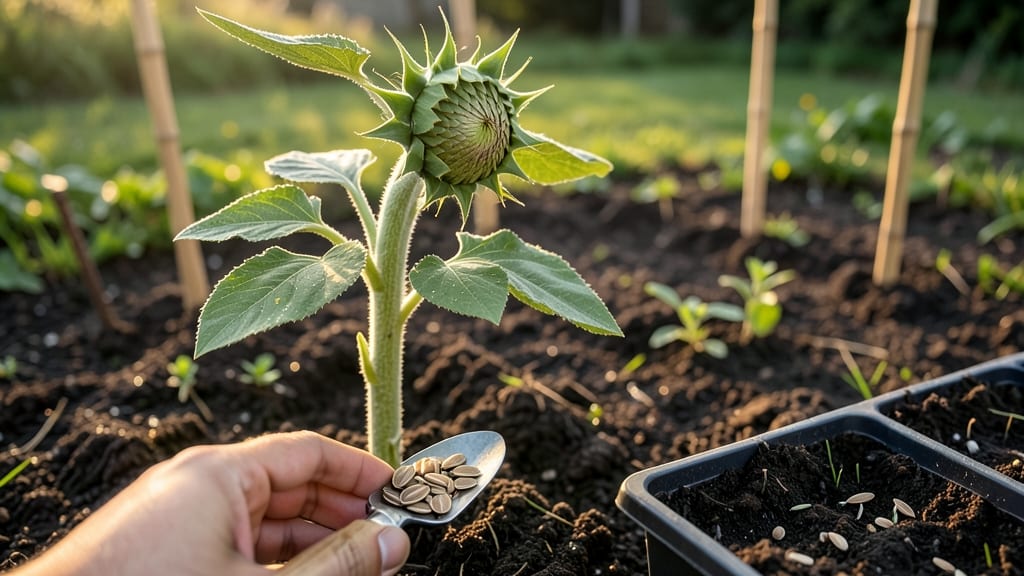
Planting sunflower seeds in Ohio after the last frost date—typically around April 15—sets the stage for a summer of towering 🌻 blooms.
Ohio’s unpredictable spring weather can make sunflower planting tricky—but timing it right ensures towering blooms by summer.
If you’ve ever wondered when to drop sunflower seeds in Ohio’s USDA Zone 5b-6a, this guide breaks down the frost-free window, soil prep secrets, and regional microclimates that could extend your growing season by weeks.
Sunflowers thrive when planted directly in the ground, not indoors, and they love Ohio’s full sun. The key is waiting until soil temperatures hit at least 55°F, which usually aligns with late April to early May, depending on your exact location.
Below, you’ll find the exact planting timeline for Ohio’s major regions, plus tips for choosing fast-growing varieties that fit your frost-free days. Ready to grow sunflowers that reach for the sky?
Ohio’s sunflower planting timeline: exact dates by USDA Zone 5b-6a
Ohio’s USDA Zones 5b-6a offer a 140–160-day frost-free season, perfect for sunflowers—but timing is everything. Plant too early, and frost zaps tender seedlings. Too late, and your towering blooms won’t mature before fall.
The key? Aligning your planting with soil temperatures and regional microclimates, especially in cities like Columbus (Zone 6a) versus rural areas near Toledo (Zone 5b).
Sunflower seeds thrive when soil reaches 60°F+, a threshold Ohio typically hits by mid-April in southern regions but not until late April or early May in northern zones. For direct sowing (the best method for sunflowers), wait until after your last average frost date, which varies by city.
Urban areas like Cincinnati often warm up faster than rural spots due to the “heat island effect”, giving you a 1–2 week advantage.
Here’s the exact planting window for Ohio’s most common sunflower varieties, adjusted for your location:
For urban gardeners, microclimates can shift your planting window by up to 2 weeks. South-facing walls, pavement heat, and lack of tree shade create warmer pockets in cities. Test your soil with a thermometer—if it’s consistently above 60°F for 3–5 days, it’s safe to plant.
Rural areas with clay soil or northern exposures may need to wait until late May for reliable germination.
Sunflowers are not cold-hardy as seedlings, so avoid early sowing. If you’re eager to start, try indoor germination in biodegradable pots 4–6 weeks before your last frost, then transplant outdoors after May 1.
Harden off seedlings by placing them outside for 2–3 hours daily starting 1 week before transplanting to reduce shock.
Choose fast-maturing varieties (like ‘Autumn Beauty’ at 60 days) if you’re planting in late May or June. These can still produce vibrant blooms before Ohio’s first frost in October.
For tall varieties (e.g., ‘Russian Giant’), stick to the April–early May window to ensure they reach maturity before fall frosts.
Pro tip: Plant a successive crop every 2 weeks from April to June for continuous blooms. Even if your first batch bolts in 90-degree heat, later plantings will thrive in cooler September weather. Just ensure your
Sunflower varieties that thrive in Ohio’s short season: fast-growing vs. tall types
Ohio’s short growing season (just 140–160 frost-free days) demands smart sunflower variety choices. Fast-growing types like ‘Moulin Rouge’ mature in 70 days, while towering ‘Russian Giant’ varieties need 100+ days—so your last frost date determines success.
For example, if your frost date is April 15, plant ‘Teddy Bear’ (56 days) by May 1 for summer blooms, but avoid ‘Mammoth’ unless you’re in southern Ohio with a longer season.
Spacing is another critical factor. Dwarf varieties like ‘Sunspot’ (3–4 ft tall) can thrive in 6-inch spacing, while standard types need 12–24 inches between plants to prevent competition. In Ohio’s USDA Zone 5b-6a, taller varieties may need staking or trellising to avoid flopping in summer winds.
For instance, ‘Autumn Beauty’ (6–8 ft) benefits from cattle panels or bamboo stakes planted at soil level.
| Variety | Maturity (Days) | Height (ft) | Spacing (in) | Ohio Suitability |
|---|---|---|---|---|
| Moulin Rouge | 70 | 3–4 | 6–12 | Best for northern Ohio (shorter season) |
| Teddy Bear | 56 | 2–3 | 6 | Ideal for late plantings (June) |
| Russian Giant | 100+ | 10–14 | 24+ | Risky in northern Ohio; best for southern Ohio |
| Autumn Beauty | 85–90 | 6–8 | 12–18 | Versatile for most of Ohio |
| Sunspot | 50–55 | 1–2 | 6 | Perfect for containers or small gardens |
For northern Ohio gardeners (e.g., Cleveland, Toledo), prioritize fast-maturing varieties like ‘Teddy Bear’ or ‘Sunspot’ to avoid frost. These types can even be direct-sown in late May if your soil warms to 60°F+.
In contrast, southern Ohio’s longer season (e.g., Cincinnati, Columbus) allows for taller varieties like ‘Russian Giant’, but plant them by May 1 to ensure harvest before first frost (October 15).
Pro tip: Use succession planting for a continuous bloom cycle. Start with ‘Sunspot’ in early May, follow with ‘Moulin Rouge’ in late May, and end with ‘Teddy Bear’ in early June.
This stretches your harvest from July to September, maximizing Ohio’s short season. Just ensure each variety gets full sun (6+ hours daily)—sunflowers won’t bloom without it!
If you’re growing sunflowers for seeds or bird feed, choose ‘Autumn Beauty’ or ‘Russian Giant’—their large heads produce abundant seeds. However, these need extra space and support.
For cut flowers, ‘Moulin Rouge’ offers long-lasting blooms with deep red petals, perfect for bouquets. Whichever you pick, mulch around