
Companion Plants
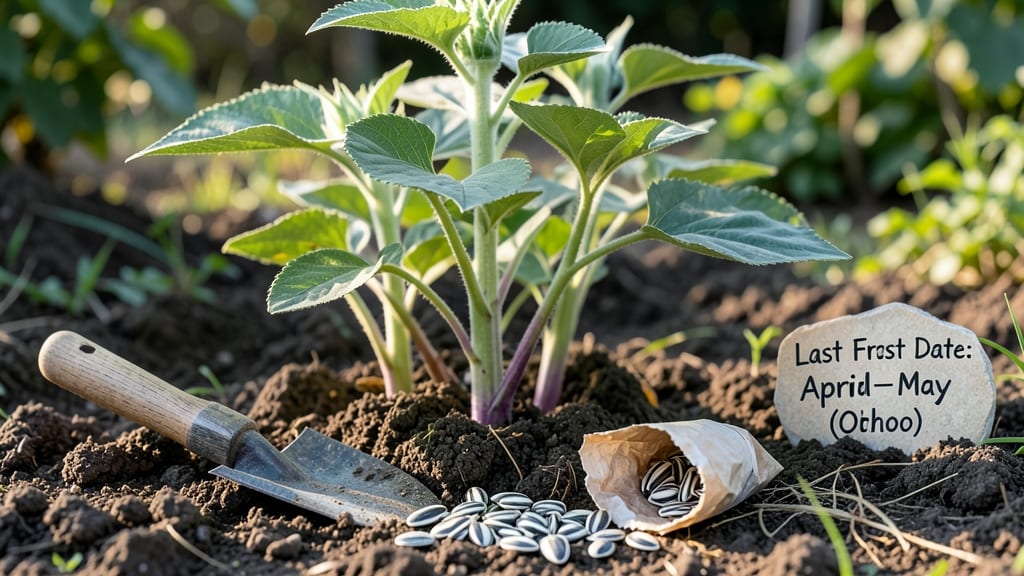
Planting sunflower seeds in Ohio after the last frost — typically mid-April — unlocks the fastest germination and strongest stems for those towering 🌻 blooms you love.
Picture this: your seeds sprout in 5-7 days instead of weeks, and your sunflowers reach 10 feet by summer — but only if you time it right.
Miss the window, and you risk frost damage or stunted growth, which is how you end up with sad, leggy plants instead of the vibrant giants you imagined.
Ohio’s 6a-6b climate means soil needs to warm to at least 55°F before you plant, and waiting for that sweet spot makes all the difference. Too early, and cold soil slows germination; too late, and your growing season shrinks.
Below, I break down the exact frost-free timeline for Ohio, how to prep your soil for speedy sprouts, and the 3 key steps to keep your sunflowers thriving from seed to harvest.
Ohio sunflower planting timeline: frost dates and optimal months
Ohio’s USDA Zones 5-6 create a unique challenge for sunflower growers—late spring frosts can devastate seedlings if planted too early, while early summer heat can stress plants if sown too late.
Understanding your last frost date (typically mid-April) and soil temperature (ideal: 55°F+) is key to timing your sunflower seeds perfectly for Ohio’s 165-day frost-free season.
For most Ohio gardeners, the sweet spot for planting sunflower seeds falls between late April and early June. This window ensures your plants have at least 70-90 days to mature before first frost (usually mid-October).
Missing this window? Don’t worry—we’ll cover how to adjust for early or late seasons later in this guide.
Here’s the critical timeline for Ohio sunflowers, broken down by planting method and frost risk:
If you’re planting directly outdoors, wait until after your area’s last frost date—typically May 1 in most of Ohio, but check your local Almanac or USDA Plant Hardiness Zone Map for precision.
For example, Columbus (Zone 6a) averages its last frost on April 20, while Toledo (Zone 5b) waits until May 5.
For indoor starts, begin seeds 4-6 weeks before your last frost date. Use grow lights if natural light is limited, and keep soil consistently moist (not soggy) to prevent damping-off disease. Transplant seedlings outdoors only after nighttime temperatures stay above 50°F for at least a week.
Ohio’s variable spring weather can throw off even the best-laid plans. If you’re worried about late frosts, opt for dwarf varieties (like ‘Little Becka’) or use row covers to protect young plants.
These varieties mature in 50-60 days, giving them a better chance to bloom before frost arrives in October.
Pro tip: Use a soil thermometer to confirm your garden soil has warmed to 55°F before planting. Cold soil delays germination and can leave seedlings vulnerable to rot or pests.
If your soil is still chilly, wait another week—your sunflowers will thank you with stronger stems and bigger blooms.
Remember, sunflowers are annuals in Ohio, meaning they complete their life cycle in one season. By planting at the right time, you’ll ensure they have enough sunlight and warmth to reach their full 3-14 foot potential before winter sets in.
Start early, monitor your local forecast, and you’ll be rewarded with vibrant, towering sunflowers that brighten up Ohio’s shorter growing season.
How to extend your sunflower growing season in Ohio’s climate
Ohio’s short growing season and unpredictable late frosts can challenge sunflower lovers, but with the right strategies, you can push your plants to thrive longer. Whether you’re aiming for earlier blooms or protecting seedlings, these techniques will help you maximize your sunflower season in USDA Zones 5-6.
The key is combining soil warmth, protective covers, and frost-resistant varieties.
Start by understanding Ohio’s average frost dates: the last spring frost typically hits mid-April, while the first fall frost arrives around mid-October. This leaves roughly 165 frost-free days, which is just enough for tall sunflower varieties to mature—but not for late bloomers.
By using cold frames or row covers, you can safely extend this window by 2-4 weeks on either end.
- 1. Start seeds indoors 6-8 weeks before the last frost (early March) using grow lights to ensure 6-8 hours of light daily. Transplant seedlings outdoors after soil reaches 55°F.
- 2. Use cold frames to warm soil and protect seedlings. Place them over direct-sown seeds in late March for 2-3 weeks earlier germination compared to outdoor planting.
- 3. Cover seedlings with floating row covers or lightweight fabric until they reach 6 inches tall. This shields them from late spring frosts (common in Ohio’s Zone 6) and early fall chills.
- 4. Choose fast-maturing varieties like 'Autumn Beauty' (50-60 days) or 'Moulin Rouge' (60-70 days). These bloom earlier than standard varieties like 'Mammoth' (90-120 days).
- 5. Mulch heavily with straw or leaves to insulate roots. This keeps soil 5-10°F warmer and retains moisture during Ohio’s hot, dry summers.
- 6. Harvest seeds early by cutting heads before frost hits. Hang them upside down in a dry, dark place to finish drying indoors.
For soil preparation, focus on drainage and warmth. Sunflower seeds germinate best in soil that’s at least 55°F, so avoid planting in cold, wet spring soil. Mix in compost or aged manure to improve fertility and warmth retention.
If your garden soil is slow to warm, consider planting in raised beds, which heat up 2-3 weeks earlier than in-ground areas.
Ohio’s variable weather can also bring unexpected late frosts in May or early June. To safeguard young plants, use cloche tunnels or black plastic mulch. The mulch absorbs heat during the day and releases it at night, creating a microclimate that protects seedlings.
Pair this with dwarf varieties like 'Teddy Bear' (3-4 feet tall) for earlier harvests and less frost risk.
Don’t forget to monitor your plants closely during Ohio’s humid summers. Overwatering can lead to root rot, while underwatering stresses plants during drought periods. Aim for 1-2 inches of water per week, delivered directly to the soil base to encourage deep root growth.
This resilience will help your sunflowers weather Ohio’s late-season storms and still produce vibrant blooms.
With these strategies, you’ll turn Ohio’s short growing season into a sunflower powerhouse. Whether you’re growing for cut flowers, birdseed, or simply summer joy, extending your season means more time to enjoy these cheerful giants in your garden. 🌻