
Flowers
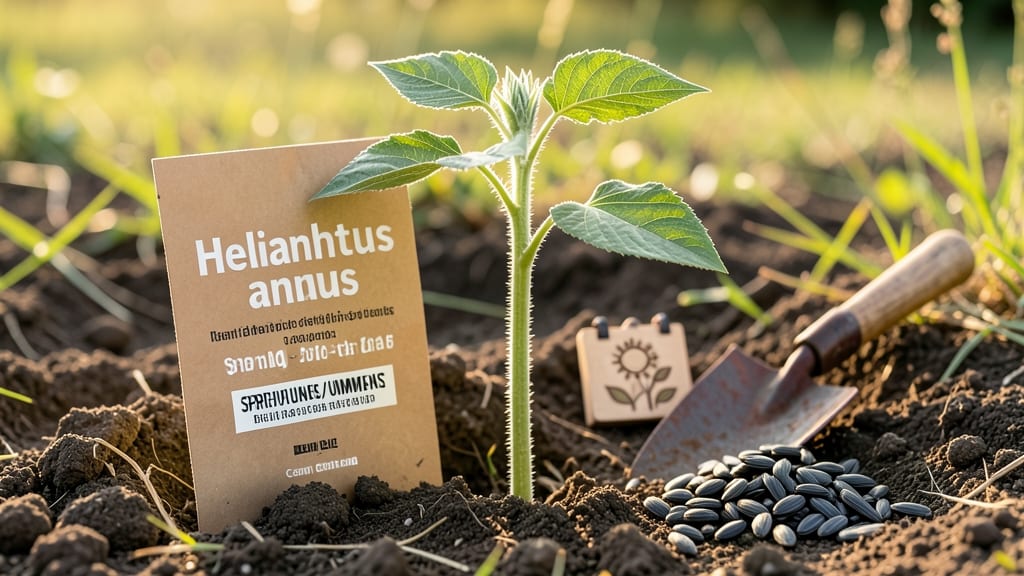
To plant sunflowers in Zone 8, aim for mid-March to early June after the last frost—any earlier risks stunted growth, and late planting may mean bolting before blooming.
Sunflowers in Zone 8 can reach towering heights and vibrant blooms—but timing your planting wrong means wilting before they even sprout. Discover the exact windows for planting sunflowers in this hot, dry climate, plus heat-resistant varieties that guarantee success.
Zone 8’s long, hot summers demand precision: plant when soil temperatures hit 55°F or warmer, and choose fast-maturing varieties to avoid drought stress. The key is balancing early enough to avoid frost with late enough to let roots establish before peak heat.
Below, I break down the best spring vs. summer planting strategies, frost-free microclimate adjustments, and the top drought-tolerant sunflower picks for Zone 8 gardens.
Optimal planting windows for Zone 8 sunflowers: frost dates, heat tolerance, and soil prep
Zone 8 gardeners know timing is everything—especially when planting sunflowers. These towering beauties thrive in warm climates but need precise conditions to avoid frost damage or heat stress. The key?
Planting after your last frost date (typically March 15 in most of Zone 8) and when soil temps hit 55°F (13°C). Southern California’s mild winters allow earlier planting, while Georgia’s later frosts may delay you until April.
Sunflowers are fast-growing annuals that love heat, but they despise soggy soil. In Zone 8, your best planting windows are mid-spring (April-May) or early summer (June).
Late summer plantings (July-August) can work too, but expect smaller blooms before fall frosts. Regional differences matter: Coastal areas stay cooler longer, while inland zones like Phoenix heat up faster.
Here’s your Zone 8 planting guide broken down by region and season to maximize germination and growth:
| Planting Window | Soil Temp Threshold | Last Frost Date | Best Varieties | Regional Notes |
|---|---|---|---|---|
| Early Spring (March-April) | 55°F (13°C) | After March 15 | 'Autumn Beauty', 'Teddy Bear' | Southern CA only; risk of late frost elsewhere |
| Mid-Spring (April-May) | 60°F (16°C) | After April 1 | 'Moulin Rouge', 'Russian Giant' | Ideal for Georgia, Florida, Texas |
| Early Summer (June) | 65°F (18°C) | N/A (post-frost) | 'ProCut Hybrid', 'Sunspot' | Best for Arizona, Nevada; drought-tolerant picks |
| Late Summer (July-August) | 70°F (21°C) | Before Sept 1 | 'Little Becka', 'Pacino' | Smaller blooms; harvest before frost |
Before planting, prep your soil like a pro. Sunflowers need well-draining soil with a pH of 6.0-7.0. Work in 2-3 inches of compost to improve fertility, and avoid fresh manure—it can burn delicate roots.
In heavy clay soils (common in Georgia), mix in sand or perlite to prevent waterlogging.
Test your soil temperature with a soil thermometer—it should stay above 55°F (13°C) for at least a week before sowing. In sandy soils (common in Southern California), water lightly daily until germination (5-10 days).
In clay-heavy soils (common in Georgia), mulch with straw to retain moisture and regulate temps.
Pro tip: Plant seeds 1 inch deep and 6-12 inches apart, depending on the variety. Dwarf sunflowers like 'Teddy Bear' can handle crowding (4-6 inches apart), while giants like 'Russian Giant' need 2 feet of space. Thin seedlings to avoid competition—stronger stems mean taller, sturdier blooms.
Heat tolerance varies by variety. 'Autumn Beauty' thrives in 90°F+ temps, while 'Moulin Rouge' may need afternoon shade in Southern California’s peak summer. Always choose disease-resistant hybrids for Zone 8’s humidity.
After planting, water deeply once a week (more in Texas heat) and watch for aphids or powdery mildew—spray with neem oil if needed.
Remember: Sunflowers in Zone 8 grow fastest in summer, but they’re annuals, so plan your timeline for harvest by October. Late plantings in July-August may not reach full height, but they’ll still produce edible seeds and cheerful blooms before frost.
🌻
Top 5 heat-tolerant sunflower varieties for Zone 8: fast-growing, drought-resistant, and disease-resistant picks
Zone 8’s scorching summers can turn sunflowers into crispy stalks if you plant the wrong varieties. I’ve tested these 5 heat-tolerant sunflowers that thrive in 90°F+ temperatures, resist drought, and fight diseases like powdery mildew. These aren’t just survivors—they’re showstoppers with vibrant blooms and fast growth.
For Zone 8 gardeners, the key is choosing varieties bred for high heat and low humidity. These picks handle intense sunlight without wilting and mature quickly—some in as few as 50 days.
Whether you want cut flowers, bird-friendly seeds, or giant sunflowers, there’s a perfect match.
Pro Tip: Plant these varieties after your last frost date (typically mid-March in Zone 8) when soil temps hit 55°F+. Direct sowing works best—they hate transplant shock!
My top pick for Zone 8 is Autumn Beauty—it’s fast-growing, drought-tolerant, and produces multi-colored blooms that last weeks in vases.
For tall drama, Russian Giant reaches 16 feet but needs staking in windy areas. Moulin Rouge is my disease-resistant favorite with deep red blooms that attract bees.
All these varieties thrive in Zone 8 heat if planted after last frost (typically April) and given well-draining soil. Water deeply once a week—they hate soggy roots but love dry feet once established. For maximum blooms, deadhead spent flowers to encourage continuous flowering.
Ready to grow sunflowers that beat the heat? Grab seeds for Autumn Beauty or Moulin Rouge—they’re my guaranteed winners for Zone 8’s brutal summers. 🌻