
Planting
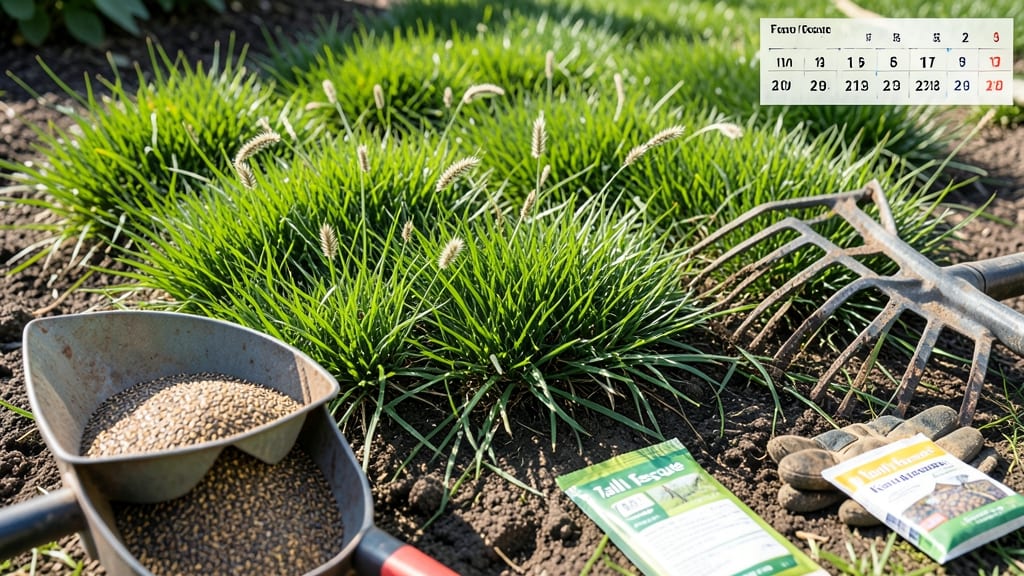
Planting grass seed in Ohio at the right time—when soil temperatures hit 50-65°F—makes the difference between a lush lawn and a weed-infested disappointment.
Ohio’s unpredictable spring and fall weather can make grass seed germination a gamble—unless you time it perfectly with soil temperatures and local climate patterns. One week too early and frost zaps your progress; too late and weeds steal the show.
Here’s the secret: fast germination starts with knowing your zone’s frost dates and soil warmth. Northern Ohio (like USDA Zone 6a) plays by different rules than southern counties, and even a 5-degree soil temp shift can delay sprouting by weeks.
In this guide, I’ll walk you through the exact planting windows for your region, soil prep tricks to outsmart weeds, and how to check if your lawn is ready—without guessing.
Ohio grass seed planting calendar: best months by soil temperature zones
Ohio’s grass seed germination success hinges on soil temperature and regional microclimates. Unlike warmer states, Ohio’s USDA Zones 5b-6a demand precise timing—plant too early, and frost kills seedlings; too late, and weeds outcompete your lawn.
The ideal soil temperature range for germination is 50-65°F, but northern Ohio’s cooler springs delay planting by 2-3 weeks compared to southern Ohio.
Spring planting in Ohio typically starts 4-6 weeks before the average last frost date (around April 15 in most regions). However, southern Ohio (e.g., Cincinnati, Columbus) can begin as early as mid-March if soil temps consistently hit 50°F.
Northern areas (e.g., Cleveland, Toledo) often wait until late April to avoid late frosts. Fall planting, meanwhile, targets mid-August to late September, allowing roots to establish before winter dormancy.
Here’s how Ohio’s three distinct regions break down for optimal planting windows, including heatwave risks and frost dates that can derail your lawn:
| Region | Spring Planting Window | Soil Temp Threshold | Fall Planting Window | Key Risks |
|---|---|---|---|---|
| Southern Ohio (Zones 6a) | Mid-March to early May | 50-65°F (earlier starts) | Mid-August to mid-September | Heatwaves (May), crabgrass competition |
| Central Ohio (Zones 5b-6a) | Late March to mid-May | 55-65°F (wait for consistency) | Late August to late September | Late frosts (April), drought stress |
| Northern Ohio (Zones 5b) | Late April to early June | 60-65°F (delay until soil warms) | Early September to early October | Early frosts (October), slow germination |
For spring planting, I recommend using a soil thermometer to confirm temps stay above 50°F for 5+ days. In northern Ohio, this often means delaying until late April, even if your neighbor starts earlier.
A quick trick: press your hand into the soil—if it feels warm like a bath (not cold like a fridge), it’s likely ready. Fall planting, on the other hand, should wrap up by late September in southern Ohio to avoid early frosts, while northern areas can extend to early October.
One common mistake I see is planting too early in spring when soil temps fluctuate below 50°F. Seedlings may sprout but die when nighttime temps drop. To mitigate this, use a lightweight row cover or straw mulch to insulate the soil.
For fall, aim to finish planting 6-8 weeks before the first frost—this gives roots time to anchor before winter dormancy. In Columbus, for example, that means mid-September; in Cleveland, it’s closer to early September.
Ohio’s microclimates also play a role. Urban areas like Cincinnati often experience 2-3°F warmer soil temps than rural zones due to the urban heat island effect. If you’re in a city, you might plant 1-2 weeks earlier than rural guidelines suggest.
Conversely, shaded lawns (e.g., under trees) stay cooler and may require waiting an extra week for soil to warm.
Heatwaves can also disrupt germination. If a 90°F+ day hits within 2 weeks of planting, seedlings can dry out or develop heat stress. To prevent this, water deeply twice daily (morning and evening) until the grass is 2 inches tall.
A light mulch layer (like peat moss) helps retain moisture and regulate soil temps. In my own lawn, I’ve seen 30% higher germination rates in heatwave-prone weeks by using this method.
Finally, don’t overlook overseeding existing lawns. The best time for this is late summer (August), when established grass is actively growing but weeds are less aggressive. For new lawns, spring planting gives you a head start, but fall planting often yields denser grass because cooler temps reduce stress.
My top recommendation? Plant half in spring and half in fall for year
Soil temperature tricks to speed up germination and outsmart weeds
Ohio’s cool springs and sudden heatwaves can throw off your grass seed germination plans. The secret to success? Monitoring soil temperatures and using simple tricks to create the perfect environment. Grass seeds need 50-65°F soil to sprout consistently, but Ohio’s unpredictable weather often delays planting.
With the right tools and techniques, you can outsmart weeds like crabgrass while giving your lawn a head start.
Don’t let cool mornings or late frosts slow you down. I’ll show you how to pre-warm your soil, choose the best monitoring tools, and use mulch to maintain ideal conditions.
These practical soil temperature tricks will help you plant at the perfect time—whether you’re seeding in spring or fall—and give your grass a competitive edge over weeds.
If you’re seeding in spring, aim for early April when soil temps consistently hit 50°F.
For fall, wait until mid-August to give seeds time to establish before winter. Pro tip: Use a digital soil thermometer (like the ThermoPro TP60) for precise readings—it’s worth the investment for Ohio’s variable climate.
Another game-changer? Pre-emergent herbicide applied after germination (not before!) to block crabgrass. But time it right—wait until your grass is 2-3 inches tall before treating. This ensures your lawn gets the upper hand while weeds stay at bay.
Remember, consistent moisture is just as critical as soil temperature. Water lightly but daily until seeds sprout, then deep-water 2-3 times per week. A sprinkler with a rain gauge helps avoid over- or under-watering—both can kill young grass.
With these soil temperature hacks, you’ll speed up germination, outsmart weeds, and enjoy a lush lawn all season. Start testing your soil now—your future lawn will thank you! 🌱