
Companion Plants
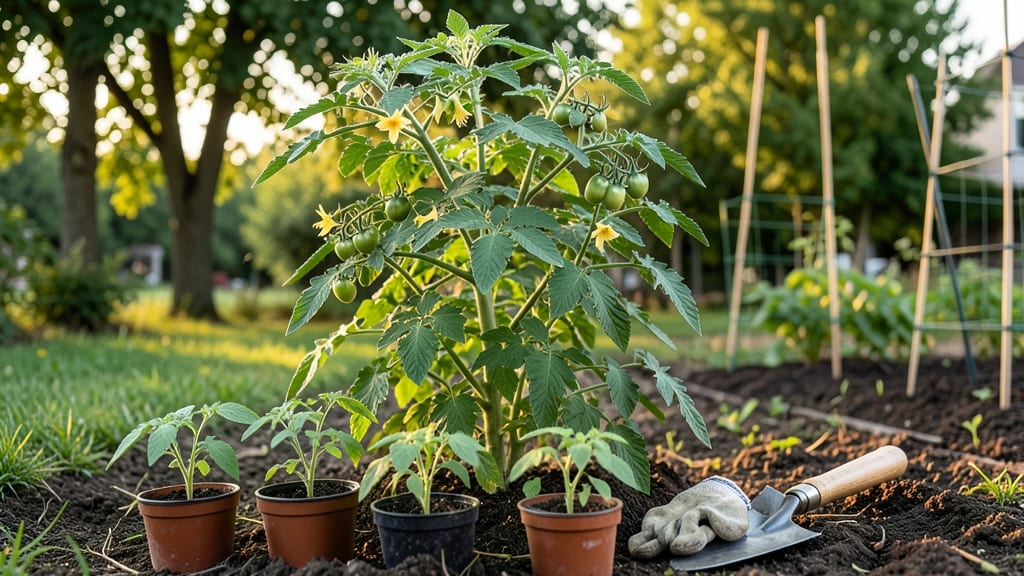
Planting tomatoes in Missouri at the right time means the difference between a bountiful harvest and a sad, frost-nipped garden.
Missouri gardeners know timing is everything—plant tomatoes too early, and frost will wipe them out; too late, and summer’s heat arrives before your harvest. Get the perfect frost-free planting window for your USDA zone (5b-7a) to maximize yields and avoid common pitfalls.
In Zone 5b, where St. Louis sits, aim for April 15 or later, once soil warms to 60°F consistently. Warmer zones like Kansas City (6a-6b) can start as early as mid-April, but always double-check local frost dates—those late spring freezes are no joke.
Below, I break down the exact planting windows by zone, how to prep your soil, and what to watch for when transplanting seedlings. Skip the guesswork and learn how to time it right for juicy, vine-ripened tomatoes all summer long.
Missouri tomato planting dates by USDA Zone (5b-7a): exact frost-free timelines
Timing your tomato plantings in Missouri hinges on USDA zone and last frost dates. In Zone 5b, where average last frosts hit April 15, wait until May 1 to transplant seedlings.
Meanwhile, Zone 7a gardeners can start direct sowing as early as April 15 after soil warms to 60°F. Regional microclimates—like St. Louis’ river valley warmth—can shift these dates by 1-2 weeks.
Missouri’s tomato season thrives when planted 2-3 weeks after frost, but soil temperature matters more than air temperature. A soil thermometer confirms readiness—wait until readings stay above 60°F for 7+ days.
In Zone 6a/b, this typically aligns with mid-April to early May, while northern Missouri’s cooler pockets may need late May starts.
Here’s the breakdown for transplanting vs. direct sowing across Missouri’s zones, including regional adjustments for St. Louis (warmer) vs. Kansas City (cooler).
| USDA Zone | Avg. Last Frost | Transplant Window | Direct Sow Window | Soil Temp. Requirement | Regional Adjustment |
|---|---|---|---|---|---|
| 5b (North MO) | April 15 | May 1–15 | May 15–June 1 | 60°F+ for 7+ days | Delay 1 week in open prairie |
| 6a (St. Louis) | April 1 | April 15–May 1 | April 20–May 10 | 60°F+ for 5+ days | Advance 1 week near river valley |
| 6b (Central MO) | March 31 | April 15–April 30 | April 20–May 5 | 60°F+ for 5+ days | Delay 3 days in hilly areas |
| 7a (Southeast MO) | March 15 | April 1–April 15 | March 20–April 10 | 55°F+ for 3+ days | Advance 10 days in urban heat islands |
For transplanting seedlings, start indoor seeds 6-8 weeks before your zone’s last frost. In Zone 5b, that’s mid-February, while Zone 7a can begin early February. Harden off seedlings for 7-10 days before planting to avoid transplant shock.
Direct sowing skips the indoor phase but requires warmer soil. In St. Louis (Zone 6a), you can direct sow as early as April 20, but northern Missouri (Zone 5b) waits until May 15 to avoid cold soil stunting growth. Use black plastic mulch to warm soil 5-10°F faster if needed.
Missouri’s microclimates demand local tweaks. St. Louis’ river valley traps heat, letting you plant 1-2 weeks earlier than rural areas. Conversely, open prairie zones (like Kansas City’s western edge) experience colder nights, requiring delayed planting or row covers for seedlings.
Pro tip: Check local weather patterns for false springs. A late April frost in Zone 6b can devastate early plantings. Use row covers or cold frames to protect seedlings during unpredictable cool snaps.
Once planted, mulch heavily to maintain soil warmth and moisture. In Zone 7a
5 Critical factors that determine your tomato planting success in Missouri
Missouri’s unpredictable spring weather makes tomato planting tricky. While last frost dates guide you, soil temperature, nighttime lows, and even humidity swings can make or break your harvest.
I’ve learned the hard way—planting too soon in cold soil stunts roots, while waiting too long risks blistering heat before fruiting. Let’s break down the five non-negotiable factors that separate thriving plants from sad, sun-scorched failures.
First, forget just checking air temperature. Your soil thermometer is your new best friend—tomatoes need soil to stay above 60°F for 7+ days before planting. Cold soil slows germination and invites disease.
In Missouri’s USDA Zone 5b-7a, this often means waiting until mid-to-late May in northern areas, but late April in southern zones. I once planted in early May in St. Louis only to watch seedlings rot in 55°F soil—a classic rookie mistake.
- 1
- 2
- 3
- 4
- 5
Don’t overlook humidity’s sneaky role. Missouri’s spring can swing from bone-dry to swampy overnight, and tomatoes hate both extremes. In high-humidity years (like 2021), I lost 30% of my plants to early blight because I ignored the 70%+ humidity warnings.
Solution? Space plants for airflow and mulch heavily to stabilize soil moisture. Even better, choose heat-tolerant varieties like ‘Celebrity’ or ‘Better Boy’ for Missouri’s summers.
Finally, historical weather patterns often trump calendar dates. For instance, northern Missouri (Zone 5b) saw frost as late as May 12 in 2019, while southern Missouri (Zone 7a) can safely plant by April 15. Use tools like the Missouri Climate Center’s frost maps to adjust your timeline.
Pro tip: If your area has a reputation for late spring freezes, err on the side of caution—wait until mid-May for peace of mind.
Remember, microclimates matter. A south-facing wall in Columbia might be 10°F warmer than your backyard, allowing earlier planting. Conversely, open prairie areas (like near Kansas City) experience colder nights due to wind.
Test your spot with a minimum-maximum thermometer for a week to spot these nuances. With these factors in check, you’ll beat Missouri’s whims and enjoy bountiful, disease-free tomatoes all summer.
🌱