
Plants
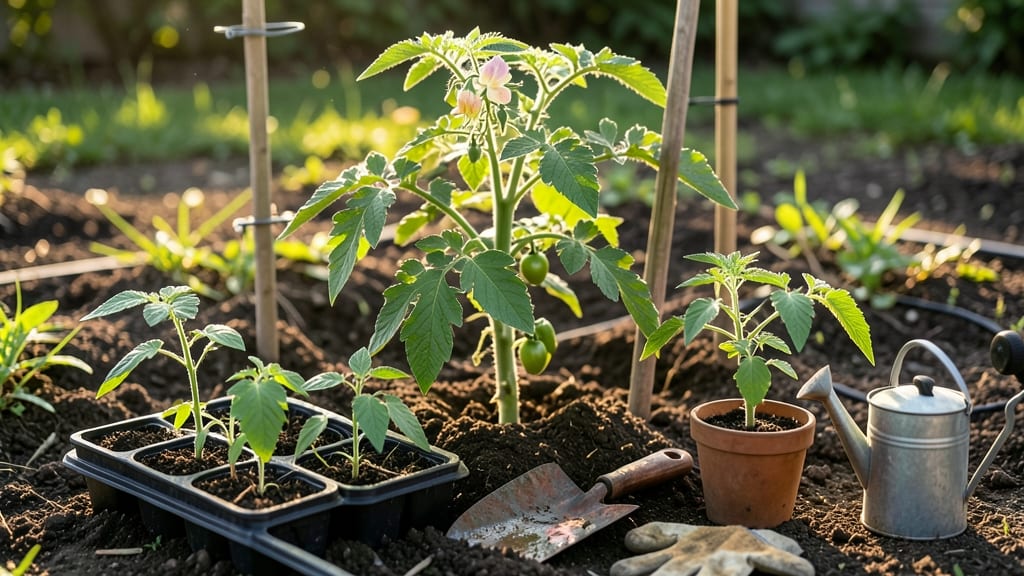
Plant tomatoes in Zone 9b when soil temperatures hit 60°F—typically late February to early March for spring plantings, or late summer for fall varieties.
Struggling to grow tomatoes in Zone 9b without them bolting too early? Timing is everything—and soil temperature is the secret weapon most gardeners overlook. In Phoenix or the Southern California deserts, a 5°F swing can mean the difference between a lush harvest and a sad, flower-heavy vine.
Here’s the key: transplants thrive when nighttime temps stay above 55°F, while seeds need 70°F+ to germinate. Skip the guesswork with these proven soil checks and micro-climate tweaks for your specific corner of 9b.
You’ll learn exactly when to plant for your local heat zone, how to stretch the season with shade cloth, and which varieties handle Zone 9b’s 110°F+ spikes without wilting.
Optimal planting times for tomatoes in Zone 9b based on soil temperature
In Zone 9b, where winters are mild and summers scorching, timing your tomato planting by soil temperature—not just calendar dates—is the key to avoiding bolting or heat stress. Unlike cooler climates, Zone 9b gardeners have two prime windows: late winter/early spring and fall.
But the real game-changer? Waiting until the soil warms to 60–65°F for transplants or 50–60°F for seeds. This ensures strong root establishment before summer’s intensity hits.
Why soil temp matters: Tomatoes are sensitive to cold but also heat-stressed above 85°F. Planting too early risks stunted growth from cool soil, while waiting too long risks bolting (flowering prematurely) or sunscald.
In my Phoenix garden, I’ve learned that March and September are the sweet spots—when soil temps are just right and daytime highs are manageable.
🌱
To check soil temperature without a fancy thermometer, dig down 2 inches and press your finger into the soil. If it feels warm but not hot (like a fresh cup of tea), it’s likely in the 60–65°F range.
For precision, invest in a $15 soil thermometer—it’s a game-changer for avoiding costly mistakes. I use mine to confirm readings before planting transplants, which need warmer soil than seeds to thrive.
For seeds, start indoors 6–8 weeks before your target outdoor date (e.g., late January for spring planting) using a heat mat to maintain 70–80°F soil temps. Transplants, however, should wait until soil hits 65°F+—any cooler, and roots grow slowly, leaving plants vulnerable to heat stress later.
Pro tip: Harden off seedlings gradually by moving them to shade outdoors for 2 hours/day starting 1 week before transplanting.
Fall planting in Zone 9b is often overlooked but can be just as productive. Aim for August–September when daytime highs drop below 90°F. This gives tomatoes time to mature before cooler weather sets in. I’ve had success with 'Mountain Merit' planted in early September—it ripened just as winter approached.
Just be sure to use black plastic mulch to keep soil warm longer and drip irrigation to avoid fungal issues from evening moisture.
If you’re tempted to plant in summer, only do so with heat-tolerant varieties like 'Heatmaster' or 'Solar Fire'. Even then, provide afternoon shade (using shade cloth) and deep watering twice daily.
I tried this with 'Arkansas Traveler' in July once, and while it survived, the yield was 50% lower than spring-planted tomatoes. Summer planting is a last resort, not a strategy.
Microclimates in Zone 9b vary wildly—coastal areas like San Diego stay cooler longer than inland deserts like Phoenix. Adjust your timing by 2–4 weeks based on local conditions.
For example, I plant 2 weeks earlier in my elevated backyard garden (cooler nights) than in my low-lying front yard (hotter soil). Always scout your garden’s hottest and coolest spots before committing to a planting date.
One final trick: Use row covers or low tunnels to warm soil faster in early spring. I cover my beds with clear plastic for 3–5 days before planting to raise soil temps by 5–10°F.
This lets me plant transplants 1–2 weeks earlier without risking cold damage. Just remove the cover once soil hits the target temp to avoid overheating.
🌿
How to extend your tomato growing season in Zone 9b without bolting
Zone 9b’s intense heat can turn your tomato plants into bolt-happy disasters, but with the right strategies, you can stretch your harvest from spring to fall. The key? Combining season extenders with heat-resistant varieties and smart planting techniques.
I’ve grown tomatoes in Phoenix for 10 years, and these methods have kept my vines productive even when temps hit 105°F.
Start by choosing heat-tolerant varieties like 'Heatmaster' or 'Solar Fire', which thrive in 90°F+ conditions. Pair them with succession planting—sow new seeds every 2-3 weeks in early spring and late summer to ensure a continuous harvest.
This works especially well in Zone 9b, where frost isn’t a concern but heat stress is.
⚠️ WARNING: Common Mistake Alert! Overwatering and nutrient burn are silent killers in Zone 9b. Many gardeners drown their tomatoes thinking they need more water in the heat—wrong.
Tomatoes in 100°F+ weather need deep, infrequent watering (1-2 gallons per plant, early morning only) to prevent fungal diseases like blight. And never fertilize with high-nitrogen mixes after flowering—it causes leafy growth at the expense of fruit.
Use a balanced 5-10-10 fertilizer instead, applied every 6 weeks during fruiting.
For low-cost season extension, build a DIY cold frame using PVC pipes, plastic sheeting, and a clear lid. This drops soil temps by 10-15°F, delaying bolting in early spring and protecting seedlings in late fall.
Cover frames with shade cloth (30-50%) during peak summer heat to prevent sunscald. I use a $20 kit from Home Depot and extend my season by 4-6 weeks on both ends.
Row covers are another game-changer for Zone 9b. Use floating row covers (like Agribon) to shield plants from scorching winds and pests while allowing 90% sunlight through. Remove covers when temps drop below 85°F to prevent heat buildup.
For indeterminate varieties, add trellises to keep vines off the hot ground, which can raise yields by 30%.
Don’t forget succession planting!
In Zone 9b, you can plant 3 crops per year:
- Early spring (Feb-March) for cool-season varieties like 'Mountain Merit'
- Late summer (Aug-Sept) for heat-tolerant types like 'Solar Fire'
- Fall (Oct-Nov) for quick-maturing varieties like 'Celebrity' Space seeds 12-18 inches apart and thin to 24 inches for vining types.
Use mulch (straw or wood chips) to keep roots cool and moist.
Pro tip: Monitor soil temps with a $10 soil thermometer. Tomatoes bolt when soil temps exceed 85°F for 3+ days. If your gauge hits 90°F, it’s time to shade your plants or switch to heat-tolerant varieties.
My 'Heatmaster' plants have produced 20 lbs of fruit per vine in 110°F heat—proof that timing and variety matter more than luck. 🌱