
Lawn
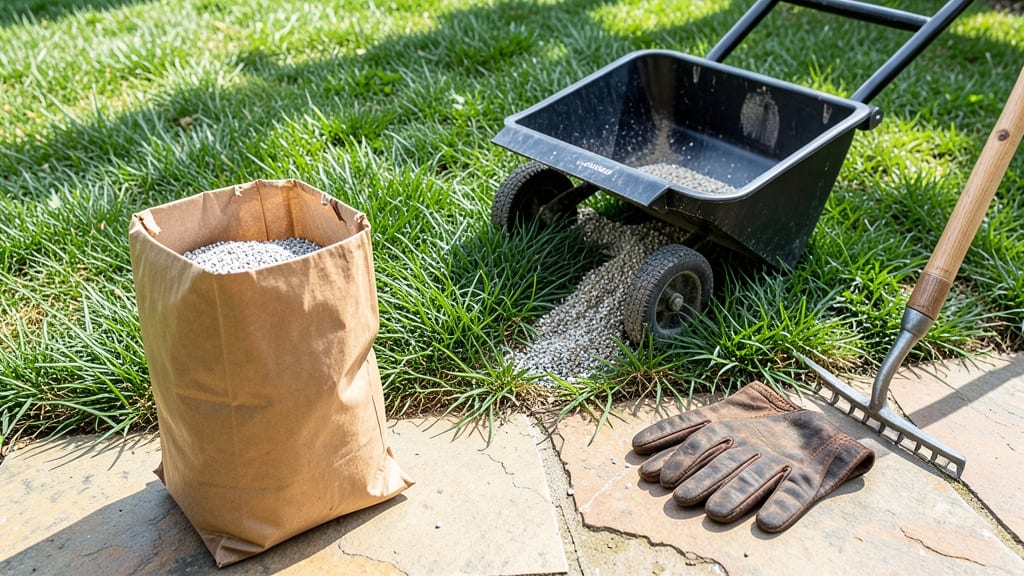
Fertilizing your lawn in spring is the single most important step for thicker roots and greener grass before summer heat arrives.
Spring is the golden window for lawn care—but fertilizing too early or late can leave your grass weak, patchy, or even invite weeds. Timing matters more than most gardeners realize, and missing this critical phase means sacrificing thicker roots and lusher growth before summer stress hits.
For Zone 6a lawns like yours, the ideal window opens in early March when soil temperatures creep above 50°F, but the exact timing depends on your grass type—cool-season varieties need feeding sooner than warm-season grasses. A quick soil check (just dig a 2-inch probe) tells you if it’s ready.
Below, I’ll break down the exact timing for your region, how to prep your lawn for maximum nutrient absorption, and the 3 mistakes that waste fertilizer and weaken grass. Ready to give your lawn a head start?

The exact spring fertilizing timeline for different grass types
Spring fertilization is your lawn's wake-up call—but timing it wrong can backfire. Cool-season grasses like Kentucky bluegrass and fescue need early spring feeding, while warm-season grasses like Bermuda and Zoysia wait until soil warms.
The difference? Soil temperature dictates readiness, not just calendar dates. A soil thermometer reading of 55°F (13°C) signals go-time for cool-season grasses, while warm-season types thrive at 65°F (18°C) or higher.
Regional differences matter too. Northern gardeners should fertilize 4-6 weeks before last frost, while Southern lawns can start as early as February. My Zone 6a garden targets mid-March for fescue, but my neighbor in Zone 8 fertilizes Bermuda by late January.
The key is matching your grass type to local climate patterns—not blindly following generic advice.
Before you apply fertilizer, test your soil's readiness. Press your finger 2 inches deep—if the soil feels cool and moist, it's primed. Dry or frozen ground means nutrients will wash away or sit useless.
I use a simple soil thermometer to confirm temperatures before investing in fertilizer. This small step prevents wasted money and weakens grass growth.
For cool-season grasses, aim for March-April fertilization when soil temperatures hit 55°F (13°C). This timing aligns with their natural growth cycle, promoting root development before summer heat arrives.
I apply a high-nitrogen fertilizer (like 24-0-5) to encourage rapid green-up. Split applications work best: half in early spring and the rest 6-8 weeks later.
Warm-season grasses tell a different story. They wake up slowly and need warmer soil to activate. Wait until soil reaches 65°F (18°C), typically May-June in most regions. A balanced fertilizer (10-10-10) supports both leaf and root growth.
In Zone 8, I fertilize Bermuda grass in late February, but gardeners in Zone 5 should hold off until late May.
Don't forget about transition zone grasses like tall fescue or buffalograss. These adaptable types thrive in 50-60°F (10-15°C) soil, making late April-early May ideal. I opt for slow-release fertilizers to prevent nutrient runoff during unpredictable spring rains. Organic options like composted manure or fish emulsion work wonders here.
Regional microclimates add another layer. Coastal areas stay cooler longer, while inland zones warm faster. My Pacific Northwest garden often waits until late April, while Midwest lawns can fertilize by mid-March.
Use local agricultural extension service resources or neighborhood gardening groups for hyper-local advice. Even a 5-degree difference can shift your ideal window by weeks.
Pro tip: Pair fertilization with proper mowing height. Cool-season grasses should be 2.5-3.5 inches tall when you fertilize, while warm-season types benefit from 1.5-2.5 inches. This height range ensures grass can photosynthesize efficiently while developing strong roots.
I always sharpen my mower blade before fertilizing to avoid tearing grass blades and inviting disease.
After applying fertilizer, water deeply to activate nutrients. Aim for 1 inch of water within 24 hours. Early morning application followed by watering ensures nutrients reach roots before evaporation. I set a rain gauge to track moisture levels—overwatering can leach nutrients away just as effectively as underwatering.
Watch your lawn for 3-4 weeks post-fertilization. Healthy grass should show darker green color and faster growth. If you see yellowing or brown patches, you may have over-applied nitrogen.
Adjust future applications by 25-50% based on your lawn's response. My fescue lawn always perks up within 10-14 days of proper spring feeding.
5 Signs your lawn is ready for spring fertilizer (and 3 mistakes to avoid)
Spring fertilization is your lawn's wake-up call—but only if you time it right. Too early, and your grass won't absorb nutrients; too late, and you miss the root-building window before summer stress hits.
The key is watching for visual cues that tell you your lawn is primed for growth, not just thawing out.
I've learned the hard way that skipping these signs leads to patchy growth or even weed takeover. For example, last year I fertilized my tall fescue too soon after a late frost, and the grass turned yellow before recovering. Don't make that mistake—let's fix it together.
Pro tip: If your lawn has thatch buildup (that spongy layer between soil and grass), dethatch first—thick layers block nutrients. I use a manual dethatcher in early spring to prep my Kentucky bluegrass before fertilizing, and it makes a noticeable difference in absorption.
Now, let's talk about the three mistakes that sabotage spring fertilization. First, fertilizing after frost damage—even if your lawn looks green, cold stress weakens roots. Second, applying before adjusting mowing height can burn tender new growth.
And third, skipping soil prep (like aeration) means nutrients sit on the surface instead of reaching roots.
To fix these, start by mowing once before fertilizing to remove dead growth, then water deeply the night before to help absorption. If your lawn shows uneven color after applying fertilizer, it might need a second light application in 6-8 weeks—just don't overdo it, or you'll encourage thatch buildup.
Remember: Spring fertilization is about setting up your lawn for summer resilience. When done right, you'll see deeper green within 7-10 days and thicker growth by early summer. The goal isn't just a pretty lawn—it's strong roots that outcompete weeds naturally. 🌱