
Companion Plants
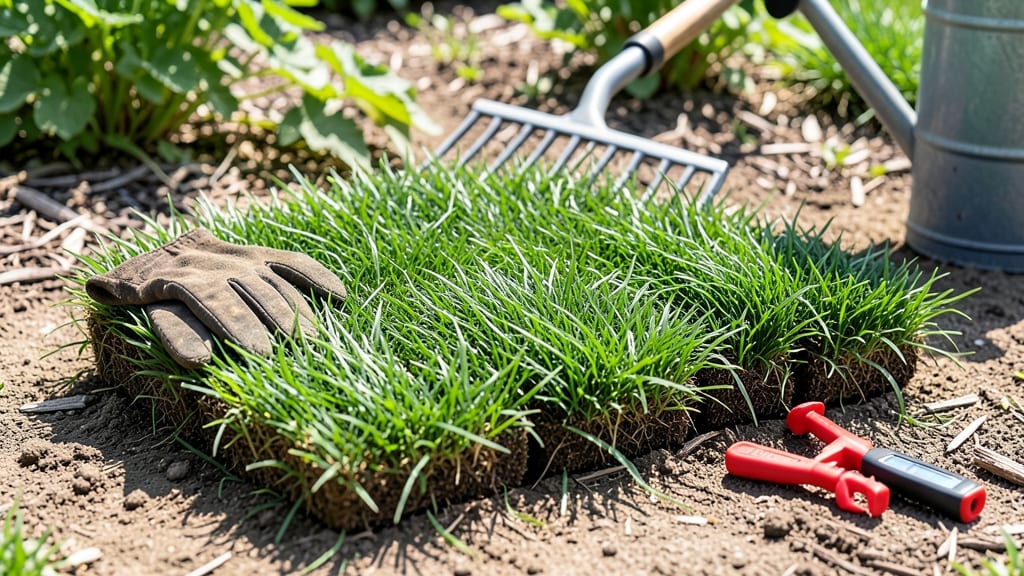
Planting Bermuda grass in Kansas when soil temperatures hit 65°F ensures strong root growth and a lush lawn 🌱 — but timing is everything.
If you’ve ever watched your grass struggle to take hold after a late spring frost or wilt under summer’s harsh sun, you know how critical the right window is. The key isn’t just avoiding frost—it’s waiting for the soil to warm enough to support Bermuda’s aggressive growth.
In Kansas, where USDA zones 5b-7a mean big swings between spring chill and summer heat, planting too early risks dormancy, while waiting too long can leave your lawn vulnerable to drought stress. The sweet spot? Late April to mid-May for spring or August to early September for fall.
Below, I’ll break down the exact soil temp triggers, regional deadlines, and how to test your soil—so your Bermuda grass gets off to the fastest, healthiest start possible.
Optimal soil temperature ranges for planting Bermuda grass in Kansas
Bermuda grass thrives when planted at the right soil temperature, not just air temperature. In Kansas, soil temps between 60-70°F create ideal conditions for strong root establishment. Ignoring this can lead to slow germination or weak growth, even in warm air.
My experience shows that western Kansas often needs earlier planting than eastern regions due to faster soil warming.
For Bermuda grass seeds, aim for 60-65°F soil temperatures to kickstart germination. Seeds planted too early in cold soil may rot, while waiting too long risks summer heat stress. Sprigs or plugs, however, prefer slightly warmer soil at 65-70°F—they establish roots faster in these conditions.
This difference explains why many gardeners opt for sprigs in late spring.
Kansas' USDA zones 5b-7a create regional variations. Eastern Kansas (like Kansas City) typically hits 60°F soil temps by late April, while western areas (near Garden City) may need to wait until May.
Microclimates like urban heat islands can shift these windows by 1-2 weeks—paved areas warm faster than rural fields.
Here’s how Kansas’ climate zones affect your planting window:
If you’re planting Bermuda grass seeds, don’t rush—wait until the soil hits 60°F consistently for 5+ days. I’ve seen seeds planted too early rot in 50°F soil, even if air temps feel warm.
For sprigs or plugs, the warmer 65-70°F range speeds up root growth, giving you a head start against summer drought.
Kansas’ western regions often face drier conditions, so planting later (when soil is warmer) helps Bermuda grass establish deeper roots before summer heat. In contrast, eastern Kansas can plant earlier due to higher humidity and slower soil drying.
Always check soil moisture too—dry soil warms faster than moist soil, which can mislead you into planting too early.
Urban areas like Topeka or Overland Park experience urban heat islands, where pavement and buildings raise soil temps by 3-5°F. This means you might hit 60°F soil a week earlier than rural neighbors.
Use a soil thermometer (available at garden centers for ~$15) to verify temps before planting—don’t guess based on air temperature.
For fall planting, aim for 65-70°F soil between August and early September. This gives Bermuda grass time to establish roots before first frost (mid-October). Fall-planted grass often outperforms spring plantings because it avoids summer heat stress and enters winter with a stronger root system.
Pro tip: If your soil is too cold for planting, cover the area with black plastic mulch for 1-2 weeks to warm it faster. I’ve used this trick in western Kansas to shave off critical days before the ideal planting window.
Just remove the plastic before seeding or planting sprigs to avoid smothering new growth.
Remember, Bermuda grass is drought-tolerant once established, but root development in the first 30 days is critical. Planting at the right soil temperature sets the foundation for a thick, resilient lawn that can handle Kansas’ extreme
Best planting months in Kansas by region (with hard deadlines)
Kansas' diverse climate means your Bermuda grass planting window varies dramatically from Kansas City to western Kansas. In humid eastern regions, you have a 6-week window for spring planting, while drier western areas must act within 3 weeks to avoid summer dormancy.
Missing these deadlines can leave your lawn thin and prone to weeds.
For seed planting, aim for when soil hits 60-65°F—typically late April to mid-May in eastern Kansas. In western Kansas, this shrinks to mid-April to early May due to faster warming. Sprigs need warmer soil (65-70°F) and should go in one week later than seeds.
Here’s your region-specific planting calendar with hard deadlines to avoid heat stress:
- Eastern Kansas (Kansas City): Plant seeds by May 15 or sprigs by May 22. Soil temps drop below ideal (<60°F) after June 1.
- Central Kansas (Wichita): Plant seeds by May 1 or sprigs by May 8. Western heat arrives by May 20, risking dormancy.
- Western Kansas (Hays): Plant seeds by April 25 or sprigs by May 2. Soil cools rapidly after May 10.
- Fall window: All regions can plant August 1-15 for fall establishment. Avoid September 1+ due to frost risk.
Eastern Kansas gardeners have more flexibility due to moderate summers and higher humidity, which keeps soil warmer longer. In contrast, western Kansas’ low humidity and intense sun dry out seeds faster, shrinking your window. Always check 7-day forecasts before planting—3+ days of rain can delay germination.
If you miss the spring window, don’t panic—fall planting works too! Aim for August 1-15 across all regions. Bermuda grass needs 60-70 days to establish roots before winter dormancy, so avoid planting after September 1.
In western Kansas, first frost can arrive as early as October 1, cutting your fall window short.
For best results, prepare your soil 2 weeks before planting. Till in compost to improve drainage (critical in clay-heavy eastern Kansas) and rake away debris. After planting, water deeply 2x/week until germination (typically 10-14 days for seeds, 7-10 days for sprigs).
Remember: Bermuda grass is aggressive but needs patience. Rushing planting or ignoring deadlines leads to thin patches and weed takeover. Mark your calendar now—your June lawn depends on it! 🌿