
Plants
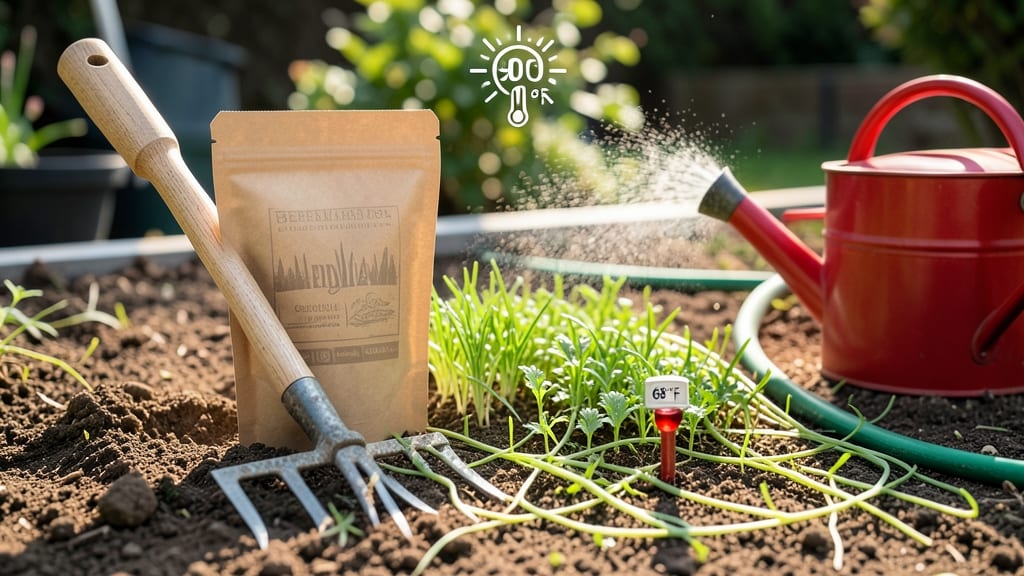
Planting bermuda grass seed in Georgia at the right time means the difference between a thick, drought-resistant lawn and a patchy, weed-choked mess.
Georgia’s scorching summers and unpredictable spring rains can turn bermuda grass planting into a gamble—but timing it right ensures a lush, drought-resistant lawn that outlasts weeds. Here’s the exact window (and hidden tricks) to plant bermuda grass seed in Georgia without wasting money or effort.
Most gardeners in USDA zones 7b-8b wait until late April or early June, but soil temperature—not just the calendar—is the real game-changer. If you plant too early, your seed will rot; too late, and you miss the ideal germination window before summer heat sets in.
Below, I’ll break down the perfect planting window for your Georgia microclimate, how to test soil warmth, and the 5 tricks to extend your planting season—whether you’re in the Piedmont, coastal areas, or the mountains.
Georgia’s ideal bermuda grass planting window by soil temperature (not just calendar dates)
If you’ve ever planted bermuda grass seed in Georgia only to watch it rot in the soil or sprout weakly, you’re not alone. The real secret isn’t just checking the calendar—it’s monitoring soil temperature.
Bermuda grass seeds need consistent warmth to germinate properly, and planting too early can lead to seed rot or stunted growth. Most gardeners focus on air temperatures, but soil warmth tells the real story.
Bermuda grass thrives when soil temperatures hit 68°F or higher. This threshold ensures seeds germinate quickly and establish strong roots before Georgia’s summer heat arrives.
Coastal areas like Savannah often hit this mark by mid-April, while North Georgia’s Piedmont region may not see ideal conditions until late May. Mountain regions like Blue Ridge can lag even further behind.
Why does soil temperature matter so much? Cold soil slows germination, leaving seeds vulnerable to fungal diseases like Pythium. Once seeds sprout in cool conditions, they struggle to develop deep roots, making your lawn more susceptible to drought stress later.
Testing soil warmth before planting can save you time, money, and frustration.
Here’s how to test your soil temperature accurately. Use a soil thermometer (available at garden centers for under $10) and check the temperature at a depth of 2 inches.
Take readings for 3 consecutive days—if the average is 68°F or above, your soil is ready. Early mornings are best for testing, as afternoon sun can skew readings.
| Georgia Region | Soil Temp Threshold | Ideal Planting Window | Key Consideration |
|---|---|---|---|
| Coastal (Savannah, Brunswick) | 68°F+ (mid-April) | Late March - Early May | Warmer soils, but watch for early rains |
| Piedmont (Atlanta, Macon) | 68°F+ (late April) | Late April - Early June | Moderate climate, but variable springs |
| North Georgia (Dahlonega, Blue Ridge) | 68°F+ (late May) | Late May - Early July | Cooler soils, extend window with mulch |
| Fall Planting (All Regions) | 68°F+ (Late August) | Late August - Early September | Soil stays warm longer; avoid late Sept |
Georgia’s microclimates create dramatic differences in planting windows. Coastal areas like Savannah and Brunswick can start as early as late March, while North Georgia’s mountainous regions might not be ready until late May.
Even within the Piedmont, urban heat islands (like Atlanta) can warm up faster than rural areas. Always check your specific location’s soil temperature trends.
If your soil isn’t warm enough by the ideal window, don’t panic. You can use black plastic mulch to raise soil temperatures by 5-10°F in just a few days. Lay the mulch down 1-2 weeks before planting to create a warmer microclimate.
Just remember to remove it once seeds germinate to prevent overheating. This trick is especially useful in North Georgia where cool springs delay planting.
Another common mistake is planting bermuda grass seed when air temperatures are warm but soil is still cool. For example, you might see 80°F air temps in April, but soil could still be in the 50s°F.
Always prioritize soil temperature over air temperature—this is the #1 rule for successful bermuda grass establishment in Georgia. Ignoring this leads to weak germination and increased weed competition.
For fall planting, aim for late August to early September when soil temperatures remain above 68°F. This gives seeds time to germinate before cooler weather sets in. Avoid planting after mid-September, as nights grow chilly and seeds may not have enough time to establish before winter dormancy.
Fall-planted bermuda grass often outperform spring plantings because it enters winter with a stronger root system.
Pro tip: If you’re planting in shaded areas (like under trees), soil will stay cooler longer. In these spots, wait until soil hits 70°F+ before planting, as shade can delay germination by 1-2 weeks.
Consider using a soil thermometer for at least a week to confirm consistency before committing to your planting date.
Remember, bermuda grass seed won’t germinate below 60°F, but even at 65°F, germination slows dramatically. The 68°F threshold is your sweet spot—it balances speed and strength.
By following these soil temperature guidelines, you’ll give your bermuda grass the best possible start, leading to a dense, drought-resistant lawn that outcompetes weeds naturally. 🌱
5 Microclimate tricks to extend your Georgia bermuda grass planting season
Georgia’s unpredictable spring weather can leave gardeners waiting weeks—or even months—for the perfect bermuda grass planting window. But with a few microclimate hacks, you can create warmer pockets in your yard to start seeds earlier.
These tricks are especially useful in North Georgia’s cooler zones or areas with late frost dates.
Microclimates are localized areas where temperature, sunlight, and moisture differ from the surrounding environment. By leveraging these natural variations—or creating them—you can push bermuda grass germination by 2-4 weeks.
Whether you’re dealing with shady spots, cool mornings, or slow-warming soil, these strategies will help you get a head start.
🌱 5 Microclimate Tricks for Earlier Bermuda Grass Planting
- 🔥 Use Black Plastic Mulch – Lay down black plastic 2-3 weeks before planting to raise soil temps by 5-10°F. Remove it once seeds sprout to avoid overheating.
- 🏞️ Choose South-Facing Raised Beds – Raised beds warm faster than ground soil. Fill with sandy loam to improve drainage and heat absorption.
- ☀️ Install Temporary Shade Cloth – Use 30% shade cloth over seeds in hot afternoons to prevent drying while still allowing light penetration.
- 💧 Water with Drip Irrigation – Consistent moisture without wetting leaves reduces fungal risks and keeps soil temps stable for germination.
- 🌿 Plant Near Heat-Retaining Structures – Areas close to driveways, patios, or brick walls stay warmer longer due to radiant heat absorption.
For North Georgia gardeners, where frost can linger into May, raised beds with black plastic mulch are game-changers. I’ve seen bermuda grass seeds sprout in mid-April using this method—weeks ahead of traditional planting times. Just remember to monitor soil moisture closely under plastic, as it can dry out faster.
If your yard has shady microclimates, focus on partial sun spots near fences or trees. Bermuda grass tolerates 4-6 hours of sunlight daily, so even a small sunlit patch can work. Pair this with drip irrigation to keep the soil consistently moist without overwatering.
Pro tip: Test your soil temperature with a soil thermometer before planting. Aim for 68°F or warmer—this is the sweet spot for bermuda grass germination. If temps are still below this, use mulch or shade cloth to accelerate warming.
By creating these micro-warmth zones, you’ll extend your planting season and give your bermuda grass a competitive edge against weeds. Start small with one trick, then expand as you see what works best in your yard. Happy planting! 🌱