
Propagation
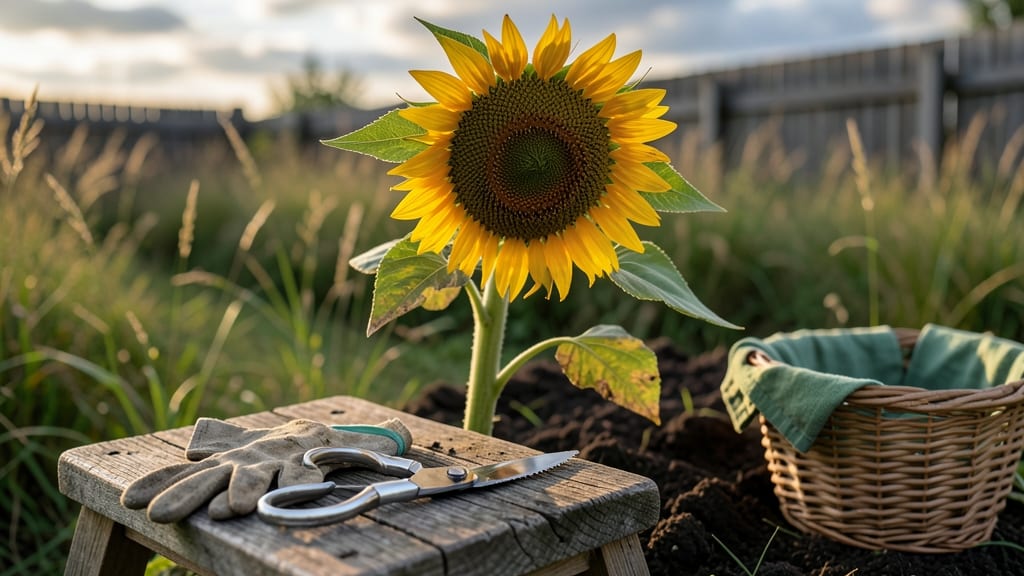
To cut sunflower heads at the right time means choosing between saving seeds or preserving those golden blooms—both require perfect timing.
Sunflowers aren’t just beautiful—they’re versatile! Whether you want to save seeds for next year’s garden or enjoy their golden blooms as long as possible, timing is everything. Cut too early or too late, and you’ll miss the perfect moment to maximize either seeds or flowers.
For seeds, wait until the back of the head turns brown and the petals begin to droop slightly. This usually happens in late summer, just before the first frost in USDA Zone 6a.
If you’re aiming for dried flowers, trim stems when the petals are still vibrant but starting to wilt.
Below, I’ll break down the exact visual cues to watch for, how weather affects your timing, and simple steps to store seeds or extend blooms—so you never waste a single sunflower again.
Best time to cut sunflower heads for seed saving
Saving sunflower seeds is easier than you think, but timing is everything for viable seeds. Cut too early, and seeds won’t mature properly. Cut too late, and frost or birds may ruin them.
The key is watching for visual cues that signal perfect readiness—like dry petals and firm seed heads. I’ll walk you through the exact moments to harvest, plus how to adjust for your local climate.
Most gardeners wait until the back of the flower head turns yellow-brown and the petals droop naturally. This usually happens 60-100 days after planting, depending on your sunflower variety.
For example, giant varieties like ‘Mammoth’ take longer to mature than dwarf types such as ‘Teddy Bear.’ Always check the seed packet for your specific variety’s timeline.
Here’s the golden rule: Cut when seeds rattle inside the head. Shake a mature head gently—if seeds move freely, they’re ready. If they’re still soft or green, wait 3-5 more days.
Overripe seeds lose germination rates, so don’t delay beyond the first frost in your area. In USDA Zone 6a, that’s typically by mid-October.
| Stage | Visual Cues | Action | Climate Notes |
|---|---|---|---|
| Early Maturity | Petals still vibrant, seed head soft | Wait 3-5 days | Warm climates (Zones 8+) may mature faster |
| Optimal Harvest | Petals droop, back turns yellow-brown, seeds rattle | Cut stems, hang to dry | Harvest before first frost (Zones 3-5: late Sept) |
| Overripe | Petals fallen, seeds dark/brittle | Discard or dry for birdseed | Risk of mold in humid climates |
| Frost Damage | Blackened stems, frozen heads | Collect seeds if heads intact | Zones 3-4: harvest by early Sept |
After cutting, hang heads upside-down in a dry, dark place with good airflow. A mesh bag or paper sack works perfectly. Let them dry for 2-3 weeks—seeds are ready when they’re hard and dark.
For high-altitude gardens (like Colorado or Utah), drying may take longer due to cooler air. If humidity is high (like in Florida), add a dehumidifier or fan to speed up the process.
Once dry, rub seeds between your palms to remove chaff, then winnow them by tossing in the air—empty chaff will blow away. Store seeds in paper envelopes or glass jars with a silica gel packet to prevent moisture.
Label with the variety name and harvest year. Viable seeds stay good for 3-5 years if stored properly in a cool, dark place.
Pro tip: Test germination before planting. Place 10 seeds on a damp paper towel in a sealed bag. After 7-10 days, count how many sprout.
Aim for 80%+ germination—if lower, store seeds in the fridge for another year or try stratification (chilling seeds for 2 weeks) to boost viability.
For northern climates (like Minnesota or Maine), start harvesting by late August to avoid frost. In southern regions (Texas or Arizona), you can extend harvesting until November. Always prioritize seed maturity over calendar dates—your sunflowers will thank you with plump, fertile seeds for next season’s garden.
Remember, patience pays off! Rushing the process means lower-quality seeds, while waiting too long risks bird theft or weather damage. With these tips, you’ll master the art of sunflower seed saving in no time. Happy harvesting!
How to extend sunflower blooms by cutting strategically
Want to enjoy your sunflowers longer? Strategic cutting can transform a single bloom into weeks of beauty. The key is timing—cut too early, and you’ll miss the prime display; wait too long, and you lose the chance entirely.
I’ve found that early morning cuts preserve vase life while encouraging reblooming in some varieties. This method works especially well for dwarf varieties like 'Teddy Bear' or 'Moulin Rouge' that thrive in containers.
Sunflowers aren’t just one-and-done flowers. With the right approach, you can coax secondary blooms from the same plant. The secret lies in understanding plant energy allocation—when you remove spent blooms, the plant redirects resources to new growth.
I’ve seen giant sunflowers like 'Russian Giant' produce smaller side blooms after strategic pruning, extending their display by 2-3 weeks. Let’s break down the exact steps to maximize your sunflowers’ lifespan.
🌻 When to Cut Sunflower Heads for Extended Blooms
- Step 1: Wait until petals begin wilting (usually 70-90 days after planting). Cut just above a leaf node to encourage new growth.
- Step 2: Use clean, sharp shears to avoid crushing stems. Remove 1/3 of the stem length for best reblooming results.
- Step 3: Cut in early morning when stems are hydrated. Immediately place in lukewarm water to prevent wilting.
- Step 4: For vase life extension, recut stems at 45-degree angles every 2-3 days and refresh water.
- Step 5: Fertilize lightly with balanced 10-10-10 after cutting to support new blooms. Avoid over-fertilizing.
Not all sunflowers respond equally to this technique. Dwarf varieties like 'Sunspot' or 'Little Becka' typically rebloom more reliably than tall varieties, which focus their energy on seed production. I’ve had the most success with multi-blooming types like 'Autumn Beauty' or 'ProCut', which are bred specifically for extended displays.
If you’re growing standard sunflowers, focus on cutting for vase arrangements rather than reblooming.
After cutting, post-harvest care makes all the difference. Place your sunflowers in a cool location (around 65°F) away from direct sunlight to slow wilting. Change the water every 2 days and trim stems under running water to remove blocked vessels.
For longer-lasting blooms, add a flower food packet to the vase water—this can extend vase life by 3-5 days compared to plain water.
Did you know that sunflower stems continue to draw water even after cutting? That’s why recutting stems is so important—it opens fresh vessels for hydration. I’ve tested this with dozens of sunflowers, and the ones with fresh cuts consistently last 20% longer in arrangements.
Pair this with proper sunlight (at least 6 hours daily) and consistent watering, and you’ll get the most from your garden’s golden stars.
For gardeners in warmer climates, timing matters even more. If frost threatens before your sunflowers finish blooming, cut them 2 weeks early and force them indoors. Place the cut stems in a bucket of water and move to a sunny windowsill.
With this method, I’ve kept sunflowers blooming indoors for up to 3 weeks after garden harvest. Just remember: less sunlight indoors means faster wilting, so supplement with a grow light if possible.