
How To
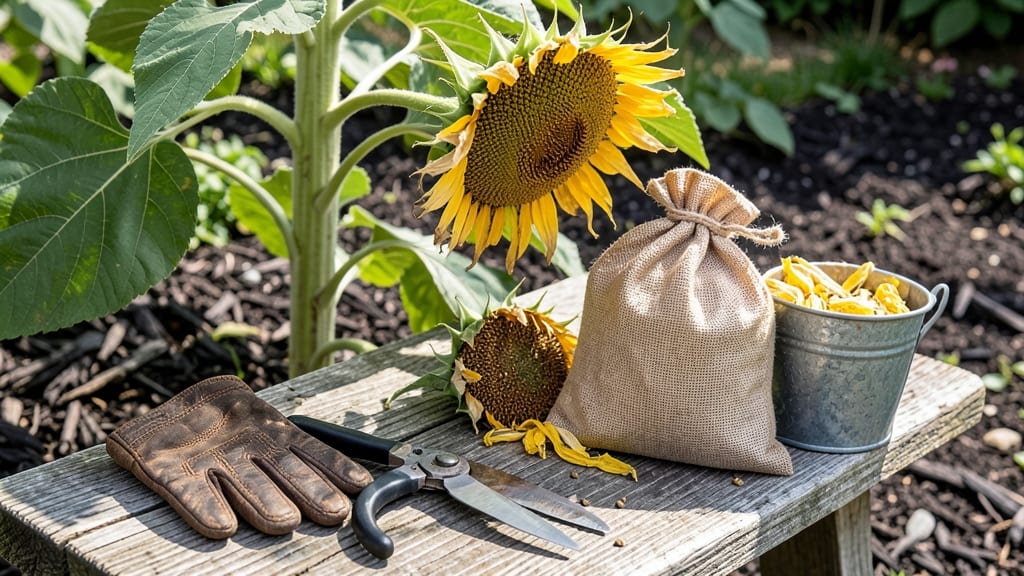
Harvesting sunflower heads for seeds happens when the back turns brown and a black stripe appears on the seed head 🌻—the moment that separates a good crop from a wasted one.
Picture this: You’ve nurtured your towering 🌻 sunflowers all summer, only to wonder if you’ve waited too long or picked too soon. One wrong move, and your seeds could be shriveled, moldy, or—worse—stolen by hungry birds.
But master this two-step test, and you’ll know exactly when to cut, dry, and store seeds that’ll sprout next spring.
Timing isn’t just about color—it’s about environmental cues too. A late-summer frost or a dry spell can trick even the most attentive gardener.
Here’s how to spot the perfect harvest window, from the brown-back rule to the black stripe trick, plus what to do if your plants play catch-up in cooler zones like USDA 6a.
By the end, you’ll harvest seeds at their peak, dry them right, and store them for planting—no guesswork, just reliable results. Let’s get started.

How to identify the perfect time to harvest sunflower heads for seeds
Harvesting sunflower seeds at the right moment ensures you get the most viable seeds for next season’s planting. The key is watching for visual and tactile cues that signal maturity.
Start by examining the back of the sunflower head—when it turns a consistent brown color, this is your first sign. The petals should also begin to dry out and droop, often falling off naturally.
This process typically happens in late summer to early fall, depending on your climate and variety.
Don’t rely solely on the calendar; instead, use the black stripe test as your most reliable indicator. Look closely at the seed head’s base—when you see a dark black stripe forming, this means the seeds inside are fully mature and ready for harvest.
This stripe appears as the seeds harden and prepare for dispersal. If you miss this cue, birds or frost may beat you to the harvest, leaving you with empty heads.
Timing is critical because harvesting too early results in underdeveloped seeds that won’t sprout, while waiting too long risks seed loss to birds or weather damage. For example, in USDA Zone 6a, aim to harvest between September and October when frost isn’t imminent.
In warmer climates, you may have until November, but always monitor the weather forecast.
Here’s a quick visual checklist to confirm readiness:
- Brown back on the seed head
- Black stripe at the base
- Dry, papery texture when touched
- Rattling sound when shaken
If all four cues are present, your sunflower seeds are ready for harvest.
One common mistake is assuming all sunflowers mature at the same time. Dwarf varieties like ‘Teddy Bear’ may ripen faster than tall varieties like ‘Mammoth’. Always check each head individually, especially if you planted multiple types.
Another pitfall is harvesting on humid days, which can trap moisture and promote mold. Aim for dry, sunny mornings to ensure seeds stay fresh.
To harvest, use a sharp pruning shears or knife to cut the head about 2-3 inches above the base. Leave the stem attached to help with drying. Hang the heads upside down in a dry, dark place (like a garage or shed) for 1-2 weeks to fully dry.
Once the seeds rattle freely when shaken, they’re ready for storage. This drying process is crucial—wet seeds won’t store well and may develop mold.
Regional differences play a big role in harvest timing. In cooler climates, like the Pacific Northwest, frost can arrive as early as September, so harvest by mid-month. In warmer southern states, you might extend harvesting into November**, but watch for early frosts.
Always have a backup plan: if frost is forecasted, harvest early and finish drying indoors with a fan or dehumidifier to speed up the process.
Pro tip: If you’re unsure whether your seeds are fully mature, perform the float test. Fill a bowl with water and drop a few seeds inside. Floating seeds aren’t ready—they lack the density of mature seeds.
Only sunk seeds are viable for planting. This simple test saves time and frustration, especially for beginners.
Finally, avoid the temptation to harvest seeds from store-bought sunflowers. These are often bred for aesthetics, not seed production, and may not yield viable seeds. Stick to heirloom or open-pollinated varieties like ‘Autumn Beauty’ or ‘Russian Giant’ for the best results.
With these cues and a little patience, you’ll master the art of sunflower seed harvesting in no time.
The black stripe test: why it’s the most reliable harvest indicator
When harvesting sunflower seeds, the black stripe test is your secret weapon for perfect timing. This simple visual cue tells you exactly when seeds are mature enough to harvest but not so old that birds or frost ruin your crop.
Unlike guessing by days or petal color, this method combines science and practicality for foolproof results every time.
The black stripe appears on the backside of the seed head as a thin, dark band. This isn’t just random discoloration—it’s a biological signal that seeds have reached peak maturity and viability.
Understanding why this happens helps you avoid common mistakes like harvesting too early (underdeveloped seeds) or too late (moldy, bird-eaten heads).
⚠️ How to Perform the Black Stripe Test
1. Wait until the back of the head turns brown (usually late summer/early fall).
2. Look closely for a thin black stripe along the seed head’s center.
3. Gently shake the head—if seeds rattle loudly, they’re ready!
This stripe forms because the sunflower’s seed coat hardens as it matures, creating a natural barrier against moisture loss. The black color comes from melanin compounds, which protect seeds during dormancy. When you see this stripe, seeds are typically 90-95% viable—ideal for planting or snacking.
Timing matters because seeds left too long on the plant risk bird predation or fungal growth. The black stripe appears just before seeds become overripe, giving you a narrow window (usually 3-5 days) to harvest. In cooler climates, this window shrinks—act fast before first frost arrives!
Pro tip: Harvest on a dry, sunny morning after the dew evaporates. Cut the head with 2-3 inches of stem attached, then hang it upside-down in a dry, dark place to finish drying. This preserves seed quality while preventing mold.
Mastering the black stripe test means never wasting a sunflower head again. Whether you’re saving seeds for next year or roasting them fresh, this method ensures you get the best possible harvest—every single time. 🌻