
Planting
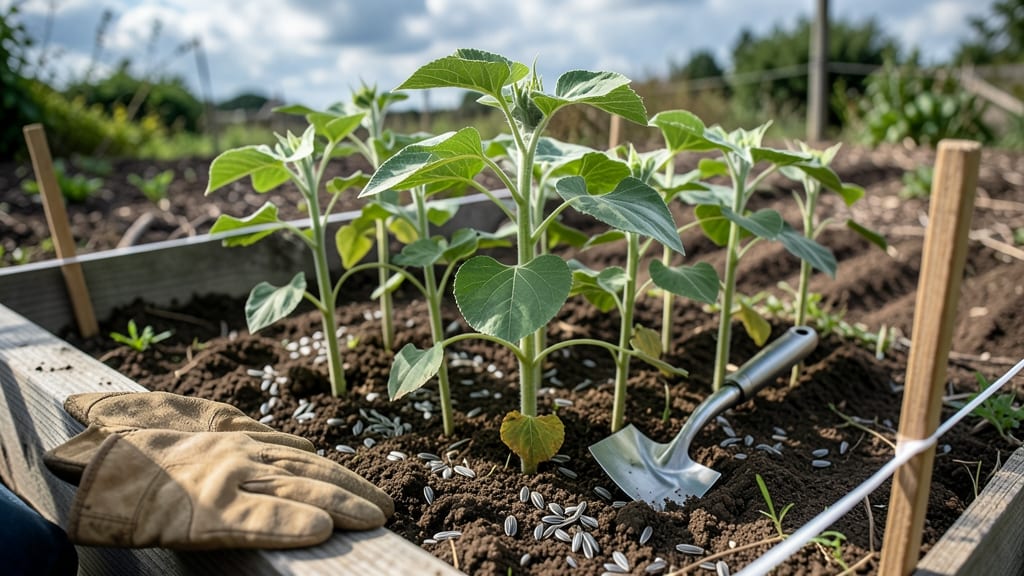
Direct sow sunflowers when soil temperatures reach at least 55°F—the magic number for fast germination and strong starts.
You’ve probably seen those 🌻 giants pop up overnight, but timing is everything. Plant too early in cold soil, and your seeds rot. Wait too long, and you miss the peak growing season. The secret? Checking soil temperature—not just the calendar—so you can tap into that fast germination window.
In Zone 6a, that means aiming for mid-May after the last frost, but warmer regions can start earlier. Even in cooler climates, a little mulch or row cover can extend your window by 2-3 weeks, giving you more time for those towering blooms.
Below, I’ll break down exactly how to test soil temp, adjust for your zone, and avoid the three biggest mistakes that slow germination—so you’re not left with patchy seedlings or stunted plants.
Optimal soil temperature ranges for direct sowing sunflowers
Sunflowers are fast growers, but their seeds need warm soil to germinate quickly. The ideal soil temperature for direct sowing ranges between 50°F and 90°F, with the sweet spot being 60°F–80°F.
Below 50°F, germination slows dramatically, while temperatures above 90°F can stress young seedlings. Understanding this range helps you time your planting for faster sprouts and stronger starts.
Soil temperature matters more than air temperature because seeds absorb heat directly from the ground. For example, a 55°F soil might feel warm to the touch, but it’s still too cool for optimal sunflower germination.
Most gardeners wait until the last frost date has passed and soil has warmed, but this isn’t always enough—you need to test soil temperature accurately.
Here’s the science: Sunflower seeds germinate best when soil stays consistently above 55°F. At 60°F, expect sprouts in 7–14 days. Above 70°F, germination speeds up to 5–10 days.
However, if soil exceeds 90°F, seedlings may struggle to establish roots, leading to leggy or weak plants. Balancing these factors ensures your sunflowers thrive from day one.
🌱
| USDA Zone | Optimal Planting Window | Soil Temp Range (°F) | Germination Time | Notes |
|---|---|---|---|---|
| 3–5 | Late May–June | 55°F–70°F | 10–14 days | Use row covers to warm soil faster. |
| 6–7 | Mid-April–May | 60°F–80°F | 7–10 days | Ideal for most gardeners; wait for soil to warm. |
| 8–9 | March–April or Sept–Oct | 65°F–85°F | 5–8 days | Can sow early spring or late summer for fall blooms. |
| 10–11 | Feb–March or Aug–Sept | 70°F–90°F | 4–7 days | Watch for heat stress; mulch to retain moisture. |
To test soil temperature accurately, use a soil thermometer (available for under $10). Insert it 2–3 inches deep—the depth where sunflower seeds will be planted—and check readings in the morning.
If temperatures dip below 55°F, wait a few days or use black plastic mulch to warm the soil faster. In cooler zones (3–5), consider starting seeds indoors under grow lights until soil warms.
Timing also depends on your sunflower variety. Dwarf varieties (like 'Teddy Bear') tolerate cooler soil slightly better than giant types (like 'Mammoth'), which need warmer conditions to reach their full height. Always check the seed packet for variety-specific recommendations, as some are bred for extended season planting.
In warmer climates (zones 8–11), you can also sow sunflowers in late summer for fall blooms. However, avoid planting when daytime highs exceed 95°F, as this can cause seeds to dry out before germinating. Instead, aim for early morning sowing when soil is cooler.
Pro tip: If you’re in doubt about timing, observe nearby corn or bean plants, which thrive in similar soil temperatures. When their seeds sprout reliably, your sunflowers are ready too. This natural indicator saves guesswork and ensures your seeds get the perfect start.
🌻
For a foolproof approach, combine soil temperature checks with your last frost date. In USDA Zone 6a, for example, wait until mid-May when soil hits 60°F consistently.
In Zone 10a, you can start as early as February, but monitor moisture levels closely to prevent seed rot in warm, wet soil.
How to adjust planting time for faster germination and avoid common mistakes
Timing your sunflower planting is more than just picking a month—it’s about understanding your local microclimate and soil conditions. Even in warm climates, planting too early in cold, damp soil can rot seeds before they sprout.
The key is waiting until soil temperatures consistently reach 55°F–60°F, which typically aligns with your last frost date plus 2–3 weeks.
For gardeners in cooler zones (USDA 3–5), this might mean waiting until mid-to-late May, while those in warmer zones (USDA 7–10) can start as early as March or April.
Always check soil temperature with a soil thermometer—don’t guess! A few extra weeks of patience now will save you from stunted seedlings or fungal diseases later.
⚠️ Avoid These Timing Mistakes with Sunflowers
Planting sunflowers too early in cold soil is a common rookie error that leads to:
- 🌱 Seed rot from excess moisture in chilly soil
- 🐛 Slow germination (weeks instead of days)
- 🌿 Leggy, weak seedlings stretching toward weak sunlight
Pro Tip: Use row covers or black plastic mulch to warm soil faster if you’re eager to plant early.
If you’re in a hurry, try starter pots indoors 2–3 weeks before your target outdoor date. Sunflower seeds germinate quickly (7–14 days) when soil is warm, so this head start can give you a 2-week advantage over direct sowing. Just harden off seedlings for 5–7 days before transplanting.
Another trick is to extend your growing season with mulching. Spread straw or wood chips around seedlings to keep soil warm and retain moisture. This is especially helpful in northern climates where nights can still dip below 50°F even after the last frost.
Slow germination? First, check your seed viability—old seeds (over 2 years) may not sprout well. If seeds are fresh, ensure they’re planted at the correct depth (1 inch) and kept consistently moist (not soggy). A seedling heat mat can also speed up germination by 50% in cool conditions.
Finally, watch for overcrowding, a silent killer of sunflowers. Thin seedlings to 6–12 inches apart once they’re 3–4 inches tall. This prevents competition for nutrients and gives each plant room to grow into its full, towering glory.
With the right timing and care, your sunflowers will burst from the soil like golden rockets!