
Plants
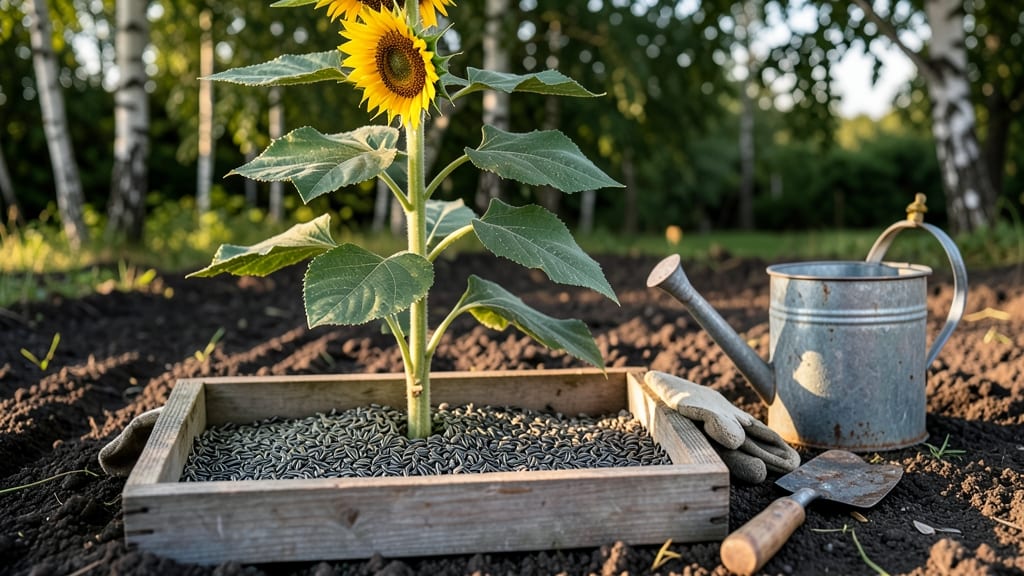
Planting sunflower seeds in Michigan means timing them right to beat frost and drought—your fast germination depends on it.
Michigan’s short but vibrant growing season can make or break your sunflower harvest—plant too early, and frost will strike; too late, and your towering blooms might never reach their full potential.
Most gardeners in USDA Zones 4-6 (the entire state) should aim for mid-April to early June, when soil temperatures hit 55°F and stay there. This window ensures your 🌻 seeds sprout quickly and mature before fall frost.
In this guide, I’ll break down the best planting dates by zone, how to adjust for unpredictable weather, and which sunflower varieties thrive in Michigan’s climate—so you can grow 12-foot giants without the guesswork.
Michigan sunflower planting dates by hardiness Zone (USDA 4-6)
Sunflowers thrive in Michigan’s sunny skies, but timing your planting dates by USDA hardiness zone ensures robust growth and stunning blooms. In Zones 4-6, your last frost dates vary dramatically—from late May in Zone 4a to mid-April in Zone 6a.
Planting too early risks frost damage, while late planting may delay blooms until fall. Let’s break down the ideal windows for each zone to maximize your sunflower’s potential.
Sunflower seeds germinate best in warm soil, ideally between 60°F and 90°F. In Michigan, soil temperatures hit these thresholds between late April and early June, depending on your zone. For fast germination and longer bloom times, aim to plant after your average last frost date.
Early varieties like ‘Teddy Bear’ can handle cooler soils, while tall varieties like ‘Russian Giant’ need warmer conditions to reach their full height.
Here’s a zone-by-zone guide to planting sunflower seeds in Michigan, including ideal dates and variety recommendations to fit your climate:
| Zone | Last Frost Date | Ideal Planting Window | Early Varieties | Late Varieties |
|---|---|---|---|---|
| 4a (e.g., Upper Peninsula) | Late May to early June | Mid-May to early June | ‘Teddy Bear’ (55-60 days) | ‘Autumn Beauty’ (90-100 days) |
| 4b (e.g., Northern Lower Peninsula) | Early to mid-May | Late April to early May | ‘Moulin Rouge’ (60 days) | ‘Russian Giant’ (100-120 days) |
| 5a (e.g., Central Michigan) | Mid-April to early May | Early to mid-April | ‘Sunspot’ (50-55 days) | ‘ProCut’ (85-90 days) |
| 5b (e.g., Southern Lower Peninsula) | Late March to early April | Late March to mid-April | ‘Little Becka’ (55 days) | ‘Mammoth’ (120+ days) |
| 6a (e.g., Southeast Michigan) | Mid to late March | Early March to early April | ‘Sunflower ‘Lemon Queen’ (55 days) | ‘American Giant’ (110-120 days) |
For Zone 4a, where frosts linger into June, focus on early-maturing varieties like ‘Teddy Bear’ to ensure blooms before fall. These dwarf varieties (3-4 feet tall) are perfect for containers or small gardens and tolerate cooler soils.
Plant seeds ½ inch deep and space them 6 inches apart for optimal growth. In Zone 6a, you can push the envelope with late varieties like ‘American Giant’ for towering 12-foot stalks, but start them indoors in early March for a head start.
Soil temperature is critical—wait until it consistently stays above 55°F before planting. Use a soil thermometer to check, especially in Zone 4b and 5a, where cooler springs delay germination. If your soil is still cold, consider using black plastic mulch to warm it faster.
Direct sowing is ideal for sunflowers, as they dislike transplanting. Drop seeds into the soil and water gently to avoid displacing them.
In Zones 5b and 6a, you can even experiment with successive planting every 2-3 weeks to enjoy blooms from summer through fall. For example, plant ‘Sunspot’ in early April for early summer blooms, then follow with ‘Mammoth’ in late April for late-season height.
This strategy extends your sunflower season and provides continuous color and pollinator support. Just be mindful of first frost dates, which can range from mid-October in Zone 6a to early October in Zone 4a.
Sunflowers are drought-tolerant once established, but young seedlings need consistent moisture. Water deeply 2-3 times per week until plants reach 12 inches tall, then reduce to weekly watering. In Zone 4a’s shorter growing season, prioritize watering during dry spells to prevent stunted growth.
Mulching around plants with straw or grass clippings helps retain moisture and suppress weeds, giving your sunflowers the best chance to thrive.
Pro tip: Mark your planting dates on a garden calendar and adjust based on weather forecasts. If a late frost is predicted, use row covers to protect young seedlings.
Sunflowers are resilient, but a little extra care in Michigan’s variable climate ensures your garden will be bursting with golden blooms all season long.
🌻
How to time sunflower planting for Michigan’s unpredictable weather
Michigan’s variable spring weather can turn your sunflower dreams into a gamble if you don’t adjust your planting strategy. While most gardeners aim for late April to early May, early frost warnings or unseasonably warm spells can shift those timelines dramatically.
The key is balancing soil temperature, frost forecasts, and your chosen sunflower variety’s maturity rate.
Sunflower seeds need soil temperatures above 55°F to germinate reliably—cold, damp soil can leave you waiting weeks for sprouts. Meanwhile, Michigan’s last average frost dates range from mid-May in the Upper Peninsula to early May in southern zones.
If you plant too soon and hit frost, your seedlings will bolt or rot; too late, and your 100-day varieties may not reach their towering potential before winter.
🌱 Critical Timing Tips for Michigan Sunflowers
- 1. Wait for soil warmth: Use a soil thermometer—plant only when temps hit 55°F+ for 3+ days. In cold zones (4a), this could mean waiting until mid-May.
- 2. Check frost forecasts: Aim to plant 2-3 weeks before your area’s last frost date. For Zone 5b, that’s early May; for Zone 4a, late May.
- 3. Adjust for maturity: Short-season varieties (e.g., ‘Teddy Bear’, 60 days) can plant 2 weeks earlier than giant varieties (90+ days).
- 4. Use row covers: Extend your season by 2-3 weeks with floating row covers—ideal for late-May plantings in colder zones.
- 5. Monitor weather apps: Tools like Michigan State University’s frost maps or Old Farmer’s Almanac provide real-time adjustments.
For northern Michigan (USDA Zones 4a-4b), I recommend starting seeds indoors in late April under grow lights, then transplanting outdoors after May 15. In southern Michigan (Zones 5b-6a), direct sowing in early to mid-May works well, but always have a backup planting date in case of late frosts.
If you miss the ideal window, don’t despair—sunflowers are drought-tolerant once established. For late plantings (June or early July), choose fast-maturing varieties like ‘Autumn Beauty’ (80 days) and focus on consistent watering to prevent bolting. Just be prepared for shorter stems and smaller blooms.
Pro tip: Succession plant every 2 weeks from May to June for a continuous bloom display. Even if your first batch gets nipped by frost, later plantings will still thrive. Pair this with mulch to retain soil warmth and moisture—critical for Michigan’s unpredictable rainfall.
Remember, sunflowers are forgiving but not magical. The earlier you plant within the safe window, the taller and more robust your blooms will be. With Michigan’s short growing season, timing is everything—so stay flexible and let the weather guide you! ☀️🌻