
Plants
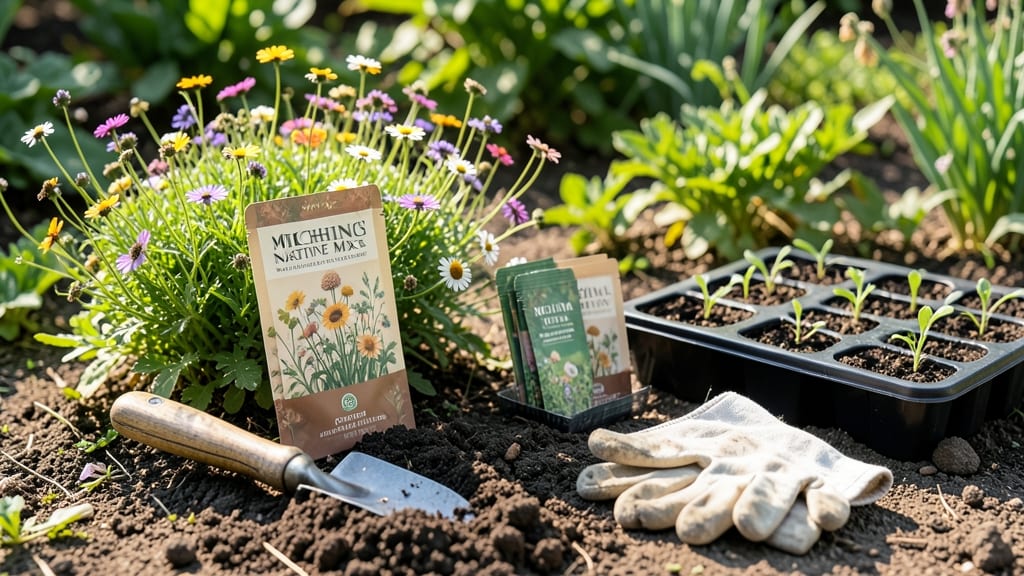
Planting wildflower seeds in Michigan at the right time means vibrant blooms all summer and fewer missed opportunities for pollinators 🌼.
Picture this: you’ve spent hours scattering seeds, only to watch them sprout too late in the season—or worse, rot before they even wake up.
Michigan’s climate zones 5-6 demand precision, and the difference between spring and fall planting can mean the difference between a thriving meadow and a wasted batch of seeds.
Most gardeners assume spring is the only window, but fall planting actually gives wildflowers a head start by letting seeds stratify naturally over winter. Meanwhile, spring planting requires timing soil temperatures just right—too early and frost will kill tender sprouts, too late and you’ll miss peak bloom season.
In this guide, I’ll walk you through the exact planting windows for Michigan’s Upper and Lower Peninsulas, the best native species for your zone, and pro tips to ensure your seeds germinate like clockwork—no guesswork, just guaranteed color.
Michigan wildflower planting calendar by climate zone
Michigan’s three distinct climate zones—Upper Peninsula, Northern Lower Peninsula, and Southern Lower Peninsula—each have unique frost dates and soil temperature thresholds for wildflower success. Planting at the right time ensures strong germination and vibrant summer blooms.
I’ve broken down the ideal windows based on USDA Zones 5-6, with frost-free dates and soil temperature targets.
For all zones, aim for soil temperatures between 50°F and 70°F—this is when most native wildflower seeds germinate best. Use a soil thermometer to check, especially in early spring when temperatures fluctuate.
In the Upper Peninsula, colder springs mean waiting until late May for reliable germination, while the Southern Lower Peninsula can start as early as March.
Fall planting is another great option, especially in August and September, when seeds can establish roots before winter. This method reduces early spring competition and often yields stronger blooms.
Just be sure to plant at least 4-6 weeks before your first frost to allow seeds time to germinate and develop roots.
Here’s a side-by-side comparison of planting windows, frost dates, and soil temperature targets for each zone to help you choose the best time for your wildflower meadow:
| Zone | Last Frost Date | First Frost Date | Spring Planting Window | Fall Planting Window | Ideal Soil Temp (°F) | Notes |
|---|---|---|---|---|---|---|
| Upper Peninsula | May 15–June 1 | September 20–October 5 | Late May–Early June | August 15–September 15 | 55–70°F | Wait for soil to warm; shorter growing season |
| Northern Lower Peninsula | May 1–May 15 | September 15–October 10 | Mid-April–Early May | August 1–September 10 | 50–65°F | Moderate climate; flexible timing |
| Southern Lower Peninsula | April 15–May 1 | October 1–October 15 | March–Early April | August 15–September 30 | 50–70°F | Longest growing season; earliest blooms |
In the Upper Peninsula, where winters are harsher, I recommend focusing on hardy perennials like Purple Coneflower or Wild Bergamot. These species tolerate cooler soils and shorter growing seasons better than tender annuals.
For the Northern Lower Peninsula, a mix of both perennials and annuals works well, including Black-eyed Susan and Coreopsis.
If you’re in the Southern Lower Peninsula, you can even plant some warm-season annuals like Sunflowers or Mexican Sunflower directly in the ground by late March.
These love the warmer soils and longer daylight hours. Just be prepared for occasional late frosts—use frost cloth if planting early in cooler microclimates.
For all zones, avoid planting when soil temperatures exceed 75°F—this can cause seeds to dry out or fail to germinate. In late summer, if temperatures climb too high, wait until evening to scatter seeds and water immediately to keep them moist.
Mulching lightly with straw after planting helps retain moisture and regulate soil temperature.
One of my favorite tricks is to stratify seeds in the fridge for 2–4 weeks before planting in fall. This mimics natural winter conditions and breaks dormancy, giving you a head start on spring blooms. Native wildflowers like Butterfly Weed and Partridge Pea respond especially well to this method.
Remember, microclimates matter. A south-facing slope in your yard might be 10°F warmer than a shady woodland edge. Test your soil in multiple spots to find the ideal planting zones.
With the right timing and a little patience, your Michigan wildflower meadow will reward you with months of vibrant color and pollinator-friendly blooms.
Best native wildflowers for Michigan’s summer blooms
Michigan’s summer gardens burst with color when you plant the right native wildflowers. These hardy species thrive in our USDA Zones 5-6 and attract pollinators while requiring minimal care. From dry prairies to moist meadows, these top 10 varieties will transform your landscape effortlessly.
I’ve selected these wildflowers because they’re low-maintenance, drought-tolerant, and perfect for Michigan’s summer heat. Each variety supports local ecosystems while adding seasonal beauty to your yard. Let’s dive into the best choices for your garden.
🌼 Native Wildflower Summary
| Wildflower | Bloom Time | Sun Needs | Soil Preference | Height |
|---|---|---|---|---|
| Black-eyed Susan | June–September | Full sun | Well-drained | 1–3 ft |
| Purple Coneflower | July–September | Full sun | Adaptable | 2–4 ft |
| Butterfly Weed | June–August | Full sun | Dry, sandy | 1–2 ft |
| Common Yarrow | May–September | Full sun | Moist to dry | 1–3 ft |
| Wild Bergamot | June–August | Full sun | Well-drained | 2–4 ft |
| Blazing Star | July–August | Full sun | Moist | 2–5 ft |
| Goldenrod | August–October | Full sun | Dry to moist | 2–4 ft |
| Wild Indigo | June–July | Full sun | Well-drained | 2–3 ft |
| Partridge Pea | July–September | Full sun | Dry, sandy | 1–2 ft |
| Aster | August–October | Full sun | Moist | 1–4 ft |
My favorite pick for beginner gardeners is Black-eyed Susan—it’s easy to grow, blooms for months, and thrives in poor soil. For pollinator gardens, Purple Coneflower and Butterfly Weed are must-haves—they attract butterflies and bees all summer long.
If you’re planting in shady areas, consider Wild Bergamot or Aster, which tolerate partial shade while still delivering stunning blooms. For dry, sandy soils, Partridge Pea and Goldenrod are excellent choices that require minimal watering once established.
To maximize blooms, plant these native wildflowers in clusters rather than rows. This creates a natural meadow effect that attracts even more wildlife. Just remember to avoid fertilizers—these plants thrive in low-nutrient soils and grow best when left undisturbed.
🌻 Start with just 3-5 varieties to avoid overwhelming your space, and watch your garden transform into a pollinator paradise by midsummer.