
Plants
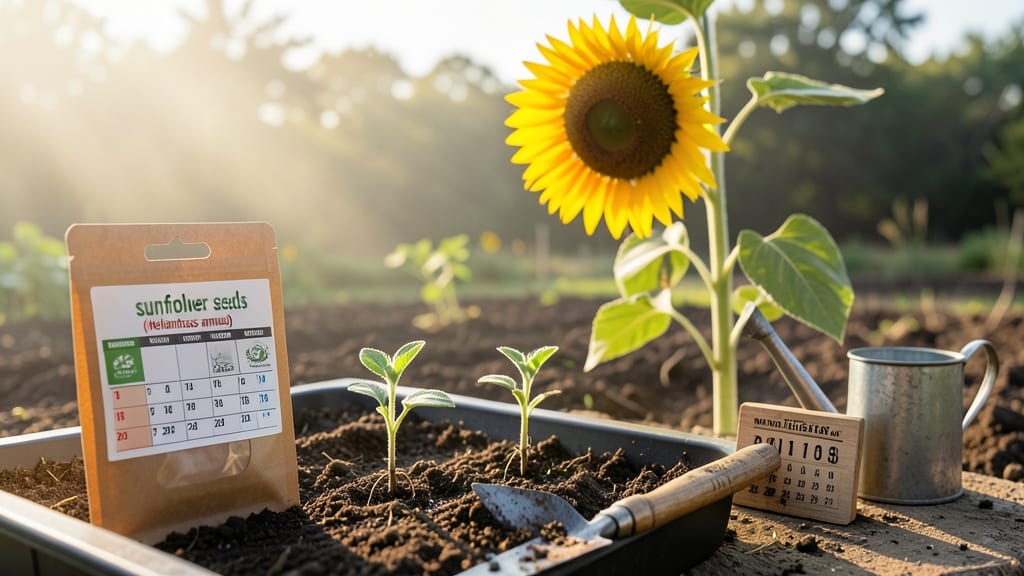
Plant sunflower seeds in Michigan between mid-April and early June after the last frost, when soil temperatures hit at least 50°F—this is the sweet spot for those towering 🌻 blooms.
Michigan gardeners know timing is everything—plant too early, and frost will strike; too late, and summer’s short growing season slips away. Mastering the perfect window ensures towering blooms and bountiful birdseed, whether you're in Detroit’s urban gardens or northern Michigan’s rural fields.
Your sunflowers need 90 days of warmth to mature, so late May plantings in northern zones (like 5b) risk stunted growth, while early April starts in southern Michigan (like 6a) may still face late frosts. The key? Check your local frost dates and soil temps—don’t guess.
Below, I break down the exact week-by-week timeline for your zone, plus soil prep tips and common mistakes to avoid. By the end, you’ll know exactly when to drop those seeds for sunflowers that reach for the sky.
Michigan sunflower planting timeline by USDA Zone 5b-6a (with frost dates)
Sunflowers thrive in Michigan’s USDA Zones 5b-6a, but their 90-120 day growing season demands precise timing. The last frost date typically arrives between April 15-30, while first frost often hits by October 15.
Planting too early risks frost damage, while late starts may leave you with stunted blooms before winter arrives.
For direct sowing, wait until soil temperatures reach at least 50°F—usually mid-May in most of Michigan. However, indoor starts can begin 4-6 weeks before your last frost date, giving you a head start.
This strategy works especially well for tall varieties like Mammoth that need extra time to mature.
Here’s your frost-proof planting schedule for Michigan’s zones, including soil prep tips and transplant windows:
| Stage | Action | Zone 5b (Northern MI) | Zone 6a (Southern MI) |
|---|---|---|---|
| Indoor Starts | Sow seeds in pots | Late March - Early April | Early April |
| Transplant Outdoors | Move seedlings to garden | Mid-May (after last frost) | Early May |
| Direct Sowing | Plant seeds in garden | Late May - Early June | Mid-May - Late May |
| Soil Temperature | Minimum for germination | 50°F (10°C) | 50°F (10°C) |
| Last Frost Date | Average window | April 20 - May 5 | April 15 - April 30 |
In Zone 5b (northern Michigan), aim for indoor starts by late March to transplant by mid-May. Southern Michigan’s Zone 6a gardeners can push direct sowing to late May since frost arrives later.
Always check your local Almanac frost dates—they can vary by 1-2 weeks depending on microclimates like urban heat islands or lake-effect zones.
Prepare your soil by amending with compost to improve drainage—sunflowers hate soggy roots. Plant seeds 1 inch deep and 12-24 inches apart, depending on the variety.
Dwarf types like Teddy Bear can go in 12-inch grids, while Mammoth varieties need 24+ inches of space to avoid shading each other.
If you miss the ideal window, don’t panic! Sunflowers are fast growers—even late June plantings can yield blooms before frost if you choose short-season varieties like Autumn Beauty, which matures in 85 days. Just be prepared for smaller stems and fewer seeds.
Pro tip: Use black plastic mulch to warm the soil faster in early spring. This trick can shave 7-10 days off your planting timeline, giving sunflowers a head start in cooler zones. Just remove it once seedlings emerge to prevent overheating.
Monitor your plants for squirrel raids—they adore fresh sunflower seeds! A simple chicken wire cage around new seedlings can save your investment until the plants outgrow their snack appeal. With the right timing, you’ll enjoy 6-12 foot sunflowers blooming from July through September.
🌻
5 Critical factors that determine your sunflower planting window in Michigan
Planting sunflowers in Michigan isn’t just about waiting for spring—it’s about understanding five critical factors that create the perfect window for success.
From soil temperature thresholds to daylight hour adjustments, each element shifts based on your location, whether you're near the Great Lakes’ moderating influence or inland where frosts linger longer. Let’s break down what truly matters for your sunflower seeds to thrive.
First, soil warmth is non-negotiable. Sunflower seeds need soil temperatures of at least 50°F (10°C) to germinate. In Michigan’s USDA Zones 5b-6a, this typically means waiting until mid-April to early May in southern regions, but pushing to late May in northern zones like Traverse City.
A soil thermometer is your best friend here—don’t guess!
Next, daylight hours play a surprising role. Sunflowers need 12+ hours of daylight to trigger flowering, which usually happens by late June in Michigan. Planting too early (before June 1) risks stunted growth, while late plantings (after July 1) may not mature before frost. Balance is key!
Your choice of sunflower variety directly impacts your planting window. Fast-maturing varieties like ‘Autumn Beauty’ (60–70 days) can be sown as early as late April in southern Michigan, while tall varieties like ‘Mammoth’ (100+ days) need July planting in Zone 5b to avoid frost. Always check seed packets for days-to-maturity!
Don’t overlook microclimates—they can shift your planting window by 2–3 weeks. Areas near the Great Lakes (e.g., Detroit, Grand Rapids) enjoy warmer soil earlier, while inland spots like the Upper Peninsula may need to wait until late May.
Observe your garden’s specific conditions for years to refine your timing.
Finally, first frost dates are your deadline. Sunflowers need 90–120 frost-free days to mature. In Michigan, this means planting by early July in northern zones to harvest before mid-October frosts. Use row covers or greenhouses to push back frost dates by 2–4 weeks if needed.
By mastering these five factors, you’ll transform guesswork into a foolproof sunflower schedule tailored to your Michigan microclimate. Happy planting—your towering blooms will thank you! 🌻