
Plants
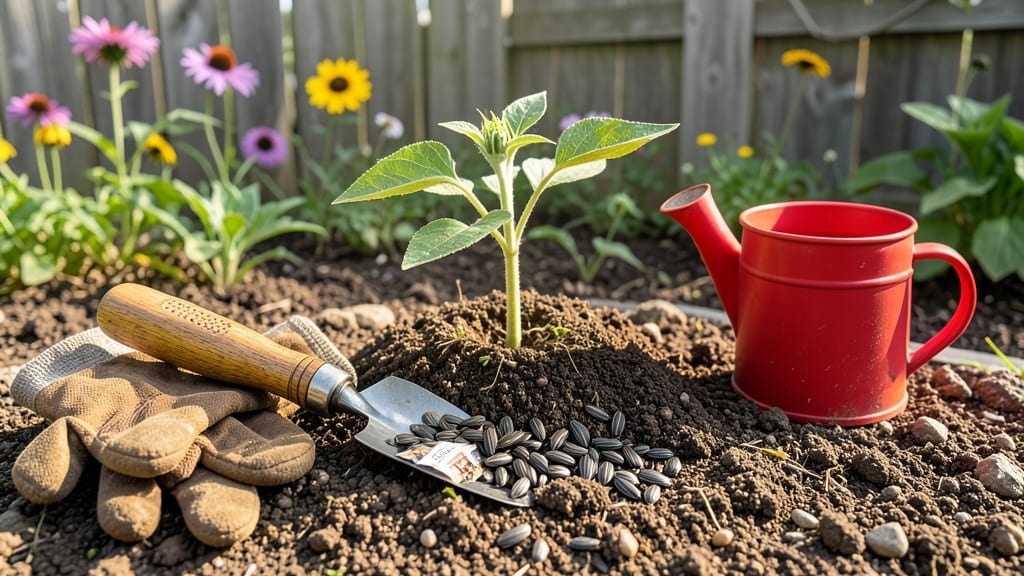
Planting sunflower seeds in Indiana after your last frost — typically mid-April to early June — is the key to those towering 🌻 blooms you dream of.
Miss that window, and you risk stunted growth or seedlings that bolt too early. But get it right, and you’ll enjoy sunflowers that thrive in Indiana’s Zone 5b-6b climate, from late summer through fall.
Below, I break down the exact frost-free timeline for Northern vs. Southern Indiana, soil prep tips, and how to adjust for those unpredictable spring cold snaps.
You’ll also discover the best sunflower varieties for your region and how to protect young plants from pests, so your garden ends up with healthy, vibrant stems instead of sad, leggy failures.
Indiana sunflower planting dates by last frost date (Zone 5-6 guide)
Sunflowers thrive in Indiana’s warm summers, but their success starts with precise planting timing. The 30-day frost-free window after Indiana’s average last frost date—typically mid-April to early June—is critical for strong seedlings.
Northern Indiana’s cooler climate (Zone 5b) often waits until late April or early May, while Southern Indiana (Zone 6a) can start as early as mid-April. This timing ensures sunflowers reach their full mature height (3–15 feet) before fall frosts.
Indiana’s historical frost data shows Northern regions like Fort Wayne experience last frosts around April 22, while Southern areas like Evansville average April 10. Planting too early risks frost damage to young seedlings, while late planting may result in stunted growth before the first frost in October.
Aim for a 60–70 day growth window before fall’s first frost to maximize bloom size and seed production.
Soil temperature is another key factor—sunflower seeds need soil at least 55°F to germinate. In Indiana, this usually aligns with late April to early May, but cooler springs may delay germination. Use a soil thermometer to confirm readiness, especially in Northern Indiana, where soil warms slower. Warmer Southern Indiana soils may reach ideal temperatures by mid-April.
For taller sunflower varieties (6–15 feet), prioritize early planting in Southern Indiana to ensure they reach maturity before fall. Dwarf varieties (1–3 feet) offer more flexibility, tolerating late plantings up to early July.
However, even dwarf sunflowers benefit from soil warmth and full sun exposure to prevent leggy growth. If you’re unsure about frost dates, use row covers to protect seedlings during unexpected late frosts.
Indiana’s microclimates can shift planting windows by weeks. Urban areas with heat islands may experience earlier soil warming, while rural farms in Northern Indiana might delay planting until mid-May.
Monitor local weather forecasts and use Indiana State Climate Office data for real-time updates. Planting too late risks shorter stems and fewer blooms, as sunflowers need 90–120 days to mature.
To extend your planting season, consider container gardening for sunflowers. Containers warm faster in spring and can be moved to south-facing patios or greenhouses to jumpstart growth. This method is especially useful in Northern Indiana, where cool springs delay outdoor planting.
Use well-draining potting mix and plant seeds 1 inch deep, spacing them 6 inches apart for optimal airflow and reduced disease risk.
After planting, maintain consistent moisture for the first 4–6 weeks to encourage strong root development. Sunflowers are drought-tolerant once established but need 1–1.5 inches of water weekly during dry spells. Mulch around the base with straw or wood chips to retain soil moisture and suppress weeds. This
How to adjust sunflower planting for Indiana’s unpredictable spring weather
Indiana’s spring weather can be as unpredictable as a sunflower chasing the sun. Late frosts, cold snaps, and fluctuating soil moisture levels can turn your seedlings into sad, stunted plants if you’re not prepared.
The key is to plant smart—not just at the right time, but with strategies to shield your young plants from Mother Nature’s whims.
First, always check your local last frost date. While most of Indiana averages around April 15, northern regions like Zone 5b can experience frosts well into May.
Southern Indiana (Zone 6a) may see earlier warmth, but don’t rush—cold soil slows germination. Wait until soil temperatures hit 55°F for consistent sprouting.
⚠️ WARNING: Late Frost Risks
Planting too early risks seedling death from frost. Even 1-inch-deep seeds can be damaged if temps drop below 32°F. Use row covers or wait until May 1 in northern Indiana for safety. Southern Indiana can start as early as April 1, but monitor forecasts.
To protect your sunflower seeds, plant them 1 inch deep and space them 6 inches apart. Once they sprout, thin seedlings to 12-24 inches apart depending on the variety.
For extra protection, use black plastic mulch or straw mulch to warm the soil faster and retain moisture. This also suppresses weeds, giving your sunflowers a competitive edge.
Companion planting is another smart move. Pair sunflowers with bush beans or marigolds to deter pests like cucumber beetles and aphids. Avoid planting near potatoes, as they compete for nutrients.
If you’re worried about late frosts, consider starting a few seeds indoors 4-6 weeks before your last frost date, then transplant seedlings after the danger has passed.
Watering is critical during Indiana’s erratic spring. Young sunflowers need consistent moisture—about 1 inch per week—but avoid soggy soil, which can cause rot. Water deeply in the morning to reduce evaporation and fungal risks.
Once established, sunflowers are drought-tolerant, but early growth demands attention. Use a soaker hose to keep water at the roots without wetting the leaves.
Finally, keep an eye on the weather forecast and be ready to act. If a cold snap is predicted, cover seedlings with frost cloth or old blankets. Sunflowers are resilient, but young plants can’t handle sudden temperature drops.
With these adjustments, you’ll give your sunflowers the best chance to reach their full height potential—even in Indiana’s unpredictable spring.