
Plants
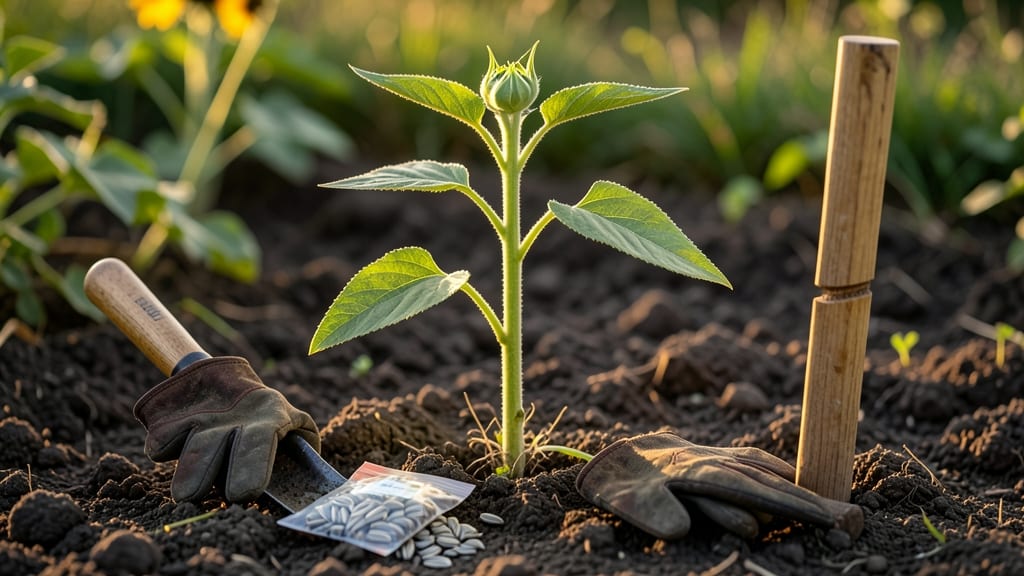
Plant sunflower seeds in California when soil temperatures hit 50°F or warmer—the magic threshold for fast germination and frost-free growth.
Sunflowers aren’t just stunning additions to your garden—they thrive in California’s diverse climates, but timing is everything. Plant too early, and frost will kill your seedlings; too late, and your blooms might miss peak summer sunlight.
Coastal areas like San Francisco can start as early as February, while inland spots like the Central Valley wait until April or even May. Soil temperature is the real secret—learn how to check it and adjust for your microclimate.
Inside, I’ll break down the exact planting windows by region, soil-warming tricks to speed up sprouting, and the best sunflower varieties for California’s late starts.
California’s ideal sunflower planting windows by region (soil temp guide)
California’s diverse microclimates mean your sunflower planting schedule depends heavily on where you live. While coastal areas stay mild, inland valleys and high deserts experience extreme temperature swings that can delay or ruin your crop.
The golden rule? Wait until soil reaches 50°F+—sunflower seeds need warmth to germinate reliably. Below, I’ll break down the ideal planting windows for Northern vs. Southern California, plus coastal vs. inland adjustments.
For Northern California (including the Bay Area and Sacramento Valley), your last frost typically arrives between March 15 and April 15, but high-elevation areas like Truckee or Tahoe may see frost until May 15 or later.
Inland valleys like the Central Valley warm up faster—soil often hits 50°F+ by mid-March, while coastal zones like Santa Cruz may wait until late April.
Southern California’s mild winters give you a head start. Coastal cities like Los Angeles can direct-sow as early as February 15, while inland deserts like Palm Springs should wait until March 15 to avoid heat stress on seedlings.
High-desert areas like Bishop may need to delay until April 15 due to cooler nights.
| Region | Soil Temp Threshold | Optimal Planting Window | Last Frost Date | Notes |
|---|---|---|---|---|
| Northern CA (Coastal) | 50°F+ (late April) | April 15 - May 15 | March 15 - April 15 | Slow soil warming; use black plastic mulch |
| Northern CA (Inland) | 50°F+ (mid-March) | March 15 - April 15 | February 15 - March 15 | Fast warming; watch for heat spikes |
| Southern CA (Coastal) | 50°F+ (February) | February 15 - March 30 | January 15 - February 15 | Early planting possible; protect from wind |
| Southern CA (Desert) | 50°F+ (March) | March 15 - April 15 | December 15 - January 15 | Avoid summer planting; use shade cloth |
| High Desert (Bishop) | 50°F+ (April) | April 15 - May 15 | March 15 - April 15 | Cool nights; extend season with row covers |
If you’re unsure about your local frost dates, check the USDA Plant Hardiness Zone Map and add 2-4 weeks to your planting window for safety.
For example, Zone 8 (Los Angeles) can plant in February, while Zone 10 (Palm Springs) might wait until March to avoid heat stress on young plants.
For coastal gardens, where fog delays warming, I recommend starting seeds indoors 2-3 weeks before your target outdoor date. Use grow lights to simulate long daylight hours, then transplant once soil reaches 55°F+. Inland areas can often direct-sow once nighttime temps stay above 45°F.
High-desert gardeners should consider shade cloth or drip irrigation to protect seedlings from intense afternoon sun while soil warms. Even in ideal conditions, sunflowers need 6-8 hours of sunlight daily to reach their full 6-12 foot height, so choose a south-facing spot with no obstructions.
Pro tip: Use a soil thermometer to double-check temps before planting. If your soil is below 50°F, try black plastic mulch or a cold frame to speed up warming. In Southern California’s desert regions, avoid
5 Soil temperature tricks to speed up sunflower germination in California
California’s cool spring soils can delay sunflower germination, but with the right tricks, you can warm the ground faster and get those cheerful 🌻 blooms off to a running start.
Sunflower seeds need soil temperatures of at least 50°F (10°C) to sprout consistently, and rocky or slow-warming Central Valley soils often fall short. Here’s how to give your seeds the warmth they crave without waiting for Mother Nature.
First, test your soil temperature before planting. Use a simple soil thermometer (available for under $10) to check depths of 1-2 inches—where seeds will germinate. If it’s below 50°F, try these proven methods to raise the temperature 5-10°F faster than ambient air temps.
I’ve used all of these in my own Sacramento garden, where cool nights and clay-heavy soil used to frustrate my sunflower dreams.
- 🔥 Black Plastic Mulch: Lay down black plastic sheeting 1-2 weeks before planting to absorb sunlight and raise soil temps by 10-15°F. Cut X-shaped holes for seeds—no need to remove the plastic after planting!
- 🌡️ Seedling Heat Mats: Place electric seedling mats under seed trays or directly on garden beds for 5-7 days post-planting. Set to 70°F for 12 hours daily to jumpstart germination in 3-5 days instead of 10+.
- 🌱 Companion Planting: Interplant sunflowers with warm-season crops like beans or cucumbers, which shade the soil less and reflect heat. Their broad leaves also create microclimates that trap warmth near the soil surface.
- ☀️ Clear Plastic Tunnels: Cover newly planted seeds with clear plastic domes or low hoop tunnels to create a greenhouse effect. Remove after sprouts emerge to avoid overheating—ideal for rocky soils that radiate heat poorly.
- 📊 Soil Thermometer Monitoring: Check temps morning and evening for 3 days pre-planting. If temps fluctuate ±5°F daily, use straw mulch (not black plastic) to stabilize warmth and prevent cold shocks.
For rocky or slow-warming soils common in the Central Valley, combine black plastic mulch with a 2-inch layer of compost before planting. The compost insulates while the plastic warms—this combo has doubled my germination rates in past years.
Always water the soil before applying mulch to prevent heat buildup from drying out seeds.
Pro tip: If you’re planting in containers or raised beds, fill them with a 50/50 mix of potting soil and coconut coir. This blend warms faster than native soil and retains moisture better, giving sunflower seeds a consistent environment.
I’ve seen 7-day germination in containers using this method, compared to 14+ days in the ground.
Remember, patience is key—even with these tricks, sunflowers may take 7-14 days to sprout depending on variety. Thin seedlings to 12-18 inches apart once they’re 3-4 inches tall to ensure strong stems.
With the right soil warmth, you’ll be enjoying 6-foot-tall sunflowers by mid-summer, even in California’s trickiest microclimates.
🌱