
Fertilization
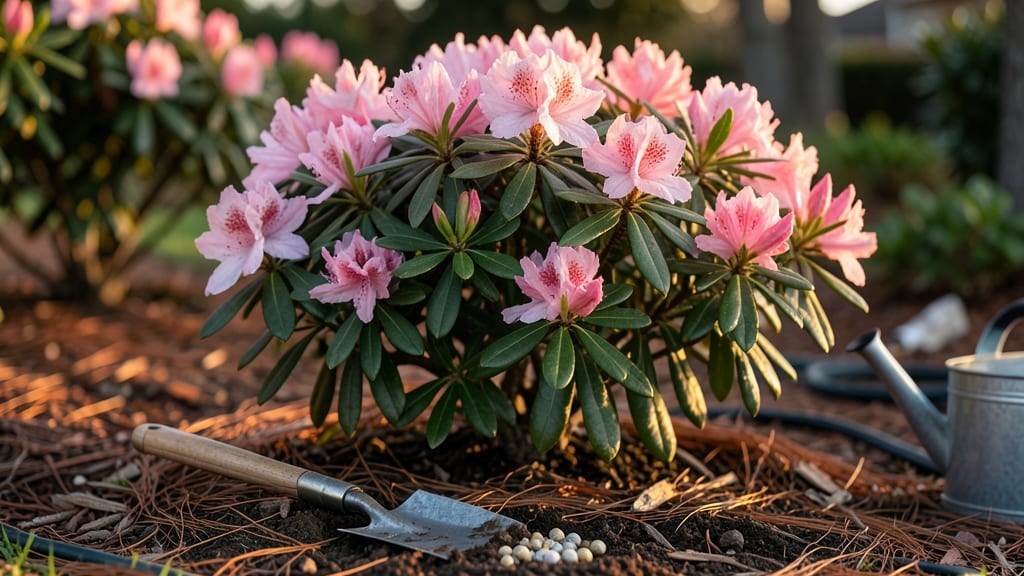
Fertilizing azaleas in Zone 8 at the right time is the difference between showstopping blooms and struggling shrubs.
Picture this: You’ve just planted your 🌸 azalea in Zone 8, and you’re eager to see it thrive. But fertilizing too early or too late can actually stunt growth—or worse, burn those delicate roots. The key is knowing when to feed them for maximum impact without overdoing it.
Most gardeners in Zone 8 focus on spring feeding, but fall can be just as critical—especially for varieties that bloom in late winter or early spring. The right timing isn’t just about the calendar; it’s about reading your azalea’s cues and matching them to the season’s natural rhythms.
In this guide, I’ll break down the exact months to fertilize, the best types of fertilizer for Zone 8’s climate, and how to spot when your azaleas are begging for nutrients—or when they’ve had enough. No guesswork, just vibrant blooms and healthy growth.
Optimal fertilization schedule for Zone 8 azaleas: spring vs. fall timing
Azaleas in Zone 8 thrive when fertilized at the right times—too early or late can stress these delicate shrubs. Unlike hardy perennials, azaleas are acid-loving plants that need precise timing to avoid nutrient burn or poor bloom production.
The key lies in understanding how their growth cycles align with your local climate's last frost dates (typically February 15 in Zone 8).
Most gardeners focus on spring fertilization to fuel blooming, but fall feeding plays an equally critical role for root hardening before winter. Skipping either step can leave your azaleas yellowing leaves or sparse flowers next season.
Let’s break down the science behind each timing and how to adapt for your specific microclimate.
🌱 Comparison Table: Spring vs. Fall Fertilization for Zone 8 Azaleas
| Timing | Purpose | Best Months (Zone 8) | Soil pH Check | Fertilizer Type |
|---|---|---|---|---|
| Early Spring | Stimulates new growth and bloom buds | February–March | Test pH 4.5–6.0; amend if needed | High-nitrogen (10-5-20) or balanced (8-3-9) |
| Late Fall | Strengthens root systems for winter | October–November | Avoid disturbing soil; mulch instead | Slow-release or organic (e.g., compost) |
Spring fertilization kicks off the growing season by providing the phosphorus and potassium azaleas need to develop buds for next year’s blooms. In Zone 8, aim to fertilize 4–6 weeks before your last frost—typically late February or early March.
This timing ensures nutrients are absorbed before the rush of new growth begins. Use a high-nitrogen fertilizer (like 10-5-20) to promote lush foliage, but avoid overdoing it—too much nitrogen can delay flowering.
Fall fertilization, often overlooked, is your azalea’s winter prep. Applying a light dose of fertilizer in October or November (before the first frost) encourages root growth, which helps the plant withstand Zone 8’s mild winters.
Opt for a slow-release or organic fertilizer (such as compost or bone meal) to avoid nutrient runoff before winter dormancy. This step is especially critical if your azaleas look underfed after summer.
Your azalea’s soil pH is the foundation of successful fertilization. These acid-loving plants thrive in pH 4.5–6.0—any higher, and they struggle to absorb nutrients, even with the right fertilizer.
Before applying anything, test your soil with a home pH kit or send a sample to your local cooperative extension service. If your soil is too alkaline, amend it with sulfur or peat moss before fertilizing. Never fertilize alkaline soil—it’s like feeding your azalea through a straw.
Timing isn’t just about the calendar—it’s about seasonal cues. For spring, look for new leaf growth as your signal to fertilize. In fall, wait until after the first cool snap (typically mid-October in Zone 8) but before the ground freezes.
If your azaleas are potted, they’ll need more frequent feeding—every 4–6 weeks during the growing season—since nutrients leach out faster. In-ground azaleas can go longer between feedings, especially if you’ve amended the soil with compost or pine bark.
One common mistake is over-fertilizing in summer, which can stress azaleas during Zone 8’s hot, dry periods. If you notice brown leaf tips or stunted growth, flush the soil with water to leach excess salts.
Conversely, skipping spring fertilization often results in smaller blooms or fewer flowers the following year. Think of fertilization as a three-act play: spring for growth, summer for maintenance, and fall for resilience.
Pro tip: Pair your fertilization schedule with a mulching routine. Apply 2–3 inches of pine bark mulch around your azaleas after fertilizing to retain moisture and slowly release nutrients.
Mulch also helps regulate soil temperature, which is especially beneficial in Zone 8’s fluctuating winters. Just keep the mulch 6 inches away from the trunk to prevent rot.
If you’re new to azalea care, start with a balanced fertilizer (like 8-3-9) and adjust based on your plant’s response. Over time, you’ll learn to read your azaleas—vibrant green leaves and abundant blooms mean you’re on the right track.
And remember, patience is key: azaleas can take 2–3 years to fully establish after planting, so don’t expect perfection right away.
With the right
How to choose the right fertilizer for Zone 8 azaleas (and what to avoid)
Azaleas thrive in Zone 8 when given the right nutrients, but not all fertilizers work equally well. These acid-loving shrubs need a balanced NPK ratio of 8-3-9 or 10-5-20 to support vibrant blooms and lush foliage.
Using the wrong formula can lead to root burn or poor growth, so choosing carefully is key to keeping your azaleas healthy.
First, consider whether you prefer slow-release or liquid fertilizers. Slow-release options provide steady nutrition over time, while liquid fertilizers offer quick results but require more frequent applications. Both have their place in azalea care, depending on your gardening style and the specific needs of your plants.
Organic fertilizers, like composted pine bark or fish emulsion, are excellent for azaleas because they improve soil acidity naturally. Synthetic fertilizers, on the other hand, deliver precise nutrient ratios but may require adjusting the soil’s pH separately.
Always test your soil’s pH before applying any fertilizer to ensure it falls within the ideal range of 4.5-6.0.
Fertilizer Options for Zone 8 Azaleas
Slow-Release Fertilizers
- ✅ Steady nutrition over months
- ✅ Less risk of over-fertilizing
- ✅ Easy to apply (sprinkle and water)
Best for: Busy gardeners or those who prefer hands-off care.
Liquid Fertilizers
- ✅ Fast results for nutrient deficiencies
- ✅ Adjustable strength for precise dosing
- ✅ Works well with foliar sprays
Best for: Quick fixes or potted azaleas needing immediate nutrients.
What to Avoid
- ❌ High-nitrogen fertilizers (e.g., 30-0-0) – causes leafy growth at the expense of blooms
- ❌ Alkaline fertilizers (e.g., lime-based) – raises soil pH and stresses azaleas
- ❌ Over-fertilizing – leads to root burn and leaf scorch
Avoid fertilizers with a high nitrogen content, like 30-0-0, as they promote excessive leaf growth while reducing flower production. Instead, opt for a balanced formula like 8-3-9 or 10-5-20, which supports both foliage and blooms.
Always follow the manufacturer’s instructions for application rates to prevent over-fertilizing, which can damage delicate azalea roots.
For organic gardeners, composted pine bark or azalea-tone fertilizers are excellent choices because they mimic the natural acidic conditions these plants prefer. If you choose synthetic options, look for products labeled specifically for acid-loving plants or rhodo-dendrons, as they’re formulated to meet azaleas’ unique needs.
Finally, always water your azaleas thoroughly after applying fertilizer to help nutrients reach the roots. This is especially important in Zone 8’s hot summers, where dry soil can lock out essential minerals.
With the right fertilizer and careful application, your azaleas will reward you with vibrant blooms and lush growth for years to come. 🌸