
Plants
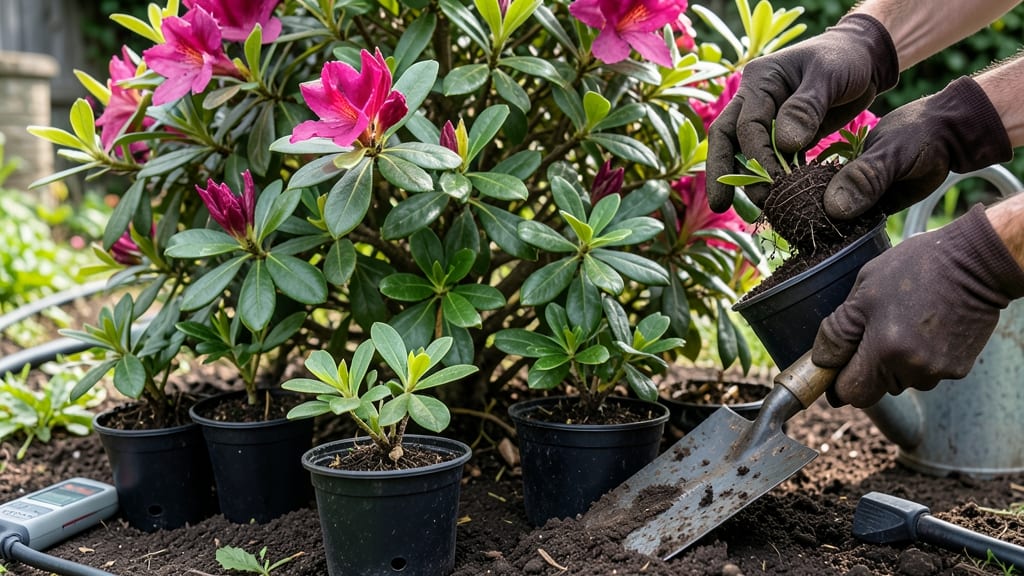
Planting azaleas in Zone 9 requires timing them perfectly to avoid both extreme heat and minimal frost risks—typically late fall to early spring for the best results.
If you’ve ever watched your 🌸 azaleas struggle under Zone 9’s unpredictable climate, you know timing isn’t just about frost—it’s about mastering microclimates. Coastal areas stay milder longer, while inland spots bake faster, and getting it wrong can mean the difference between vibrant blooms and wilted disappointment.
Most gardeners in Zone 9 plant their azaleas between October and March, when soil temperatures are cool and afternoon heat hasn’t yet set in. This window ensures roots establish before the summer’s intensity kicks in, whether you’re in San Diego’s coastal chill or Phoenix’s inland dryness.
In this guide, I’ll break down the exact planting windows for coastal vs. inland Zone 9, soil prep tips to keep roots happy, and how to choose the right azalea varieties for your microclimate—so you can enjoy those stunning spring blooms year after year.
Optimal azalea planting windows for Zone 9 coastal vs inland areas
Zone 9’s diverse climate—where coastal areas like San Diego enjoy mild winters and inland spots like Phoenix face intense summer heat—demands precise azalea planting timing. Unlike frost-prone zones, your goal isn’t just avoiding cold snaps but navigating soil temperature thresholds and heat stress risks.
Coastal azaleas thrive with extended planting windows, while inland varieties need earlier transplanting to beat summer’s fury.
For both regions, soil temperatures below 60°F (15°C) signal ideal planting conditions. Coastal areas can stretch this window 3-4 months longer than inland zones, where April’s heat often arrives earlier.
Container-grown azaleas offer flexibility—they can be planted year-round with proper watering, but bare-root varieties demand cooler months for root establishment.
Let’s break down the optimal planting windows side by side, so you can choose the perfect time for your microclimate—whether you’re near the ocean’s breeze or baking under inland sun.
| Factor | Coastal Zone 9 (Mild Winters) | Inland Zone 9 (Hot Summers) |
|---|---|---|
| Best Months for Bare-Root | November–March | October–February |
| Best Months for Container-Grown | February–April | January–March |
| Soil Temp Threshold | 55–65°F (13–18°C) | 50–60°F (10–15°C) |
| Heat Stress Risk | Low (cooler summers) | High (April–June) |
| Watering Needs Post-Plant | Deep water 2x/week | Daily water for 2 weeks |
If you’re in a coastal Zone 9 area, you’ve got more flexibility—planting as late as April can work for container-grown azaleas, thanks to moderate temperatures and humidity.
However, even coastal regions can experience unexpected heatwaves, so avoid planting after May 1st unless you’re prepared for daily shade and extra watering.
For inland Zone 9 gardeners, the clock starts ticking earlier. By March 15th, soil temperatures often climb above 70°F (21°C), making it risky to plant bare-root azaleas.
Instead, prioritize container-grown specimens in January–February to give roots time to establish before summer’s peak. Pro tip: Mulch heavily (3–4 inches) to insulate roots from ground heat.
Another key difference? Coastal azaleas can handle more morning sun (up to 6 hours), while inland varieties thrive with dappled shade all day. This isn’t just about blooms—it’s about survival.
Inland azaleas planted in full sun often scorch by June, while coastal plants may leaf out poorly if shaded too much.
For bare-root azaleas, timing is critical. Coastal gardeners can wait until December–January for cooler soils, but inland planters should dig in by November. The rule of thumb: Soil should be workable but not warm.
Stick your finger 6 inches deep—if it feels like a cool bath, it’s ready. If it’s warm to the touch, wait another week.
Container-grown azaleas offer year-round planting flexibility, but spring and fall remain ideal. In coastal zones, transplant in March–April to align with natural rainfall. Inland, January–February planting lets roots acclimate before summer’s onset. Always water thoroughly before and after transplanting to reduce shock.
One final tip: Evergreen azaleas (like Rhododendron ‘Girard’s Pink’) handle coastal conditions better, while deciduous varieties (such as Rhododendron ‘PJM’) often thrive inland. Match your azalea type to your microclimate for long-term success.
How to adjust planting timing based on azalea variety and soil conditions
Not all azaleas thrive under the same conditions in Zone 9. Evergreen varieties like Rhododendron 'Southern Indica' demand precise timing, while deciduous types such as 'Knock Out' azaleas offer more flexibility.
The key lies in understanding their soil acidity needs—azaleas crave pH 4.5-6.0—and how your local soil type affects moisture retention and root health.
In San Diego’s coastal microclimate, where humidity lingers and temperatures stay mild, you can plant container-grown azaleas year-round, but bare-root varieties still prefer October through February to establish roots before summer heat arrives.
Meanwhile, Phoenix’s inland heat demands earlier planting—September to November—to avoid 100°F+ soil temperatures that can scorch roots.
- Evergreen Azaleas: Plant October-February in coastal Zone 9 (e.g., San Diego). Use sandy loam to prevent root rot; amend with peat moss if soil is clay-heavy.
- Deciduous Azaleas: September-November for inland Zone 9 (e.g., Phoenixwell-draining soil mixes with pine bark fines to mimic acidic forest floors.
- Clay Soil Fix: Plant in raised beds or mound soil to improve drainage. Add gypsum (not lime!) to break up compaction before transplanting.
- Sandy Soil Fix: Mix in organic matter (e.g., composted leaves) to retain moisture. Mulch with pine needles to slowly acidify the soil over time.
- Soil pH Test: Use a digital meter to confirm pH 4.5-6.0. If too alkaline, amend with sulfur (1 lb per 100 sq ft) 2 months before planting.
For evergreen azaleas in clay-heavy soils, like those common in Orange County, I recommend planting in late fall (November) to allow roots to establish before the winter rains swell the soil.
In contrast, deciduous varieties in sandy soils, such as those in Tucson’s foothills, thrive when planted in early autumn (September) to capitalize on cooler temperatures and retain moisture.
Pro tip: Container-grown azaleas can be planted anytime in Zone 9, but bare-root plants need cooler soil temps (below 75°F). Check soil temperature with a soil thermometer—if it’s above 80°F, delay planting until evening hours to reduce transplant shock.
Remember, soil prep is half the battle. Whether you’re dealing with San Diego’s coastal fog or Phoenix’s alkaline soils, amending the planting hole with acid-loving mix (equal parts peat moss, pine bark, and perlite) ensures your azaleas get the perfect acidic start they crave.
With the right timing and soil tweaks, your Zone 9 azaleas will reward you with bold blooms year after year, proving that even in extreme microclimates, these shrubs can thrive. 🌸