
Flowers
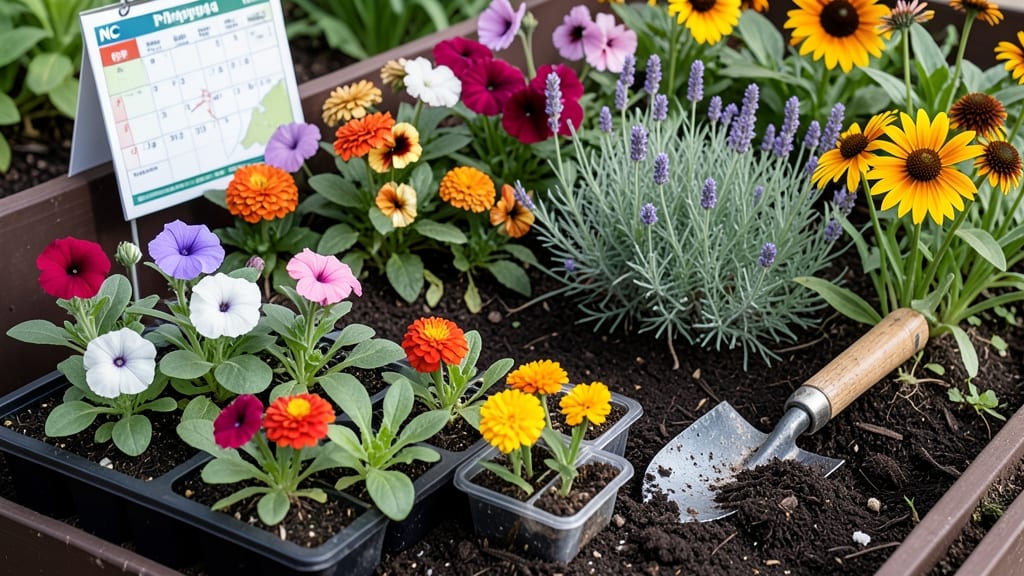
Planting flowers in North Carolina at the right time means the difference between a garden that bursts with color and one that wilts before it even starts 🌸.
North Carolina’s diverse climate means your flower planting timing can make the difference between a vibrant garden and a sad, frost-bitten disappointment. Get the exact last frost dates and best planting windows for your NC zone—plus the perfect flowers to grow year-round.
In Zone 6b, where frosts linger until mid-March, cool-season blooms like pansies and snapdragons can go in as early as February, while heat-loving zinnias and marigolds wait until after March 15.
Meanwhile, gardeners in Zone 8a enjoy a longer season, with frost-free days stretching past 220 days—meaning you can plant annuals almost year-round.
Below, I break down the best planting windows for annuals, perennials, and bulbs by zone, plus how to stretch your season with row covers and smart variety choices. No more guessing—just blooms on demand.
North Carolina last frost dates by Zone: when to plant flowers safely
North Carolina’s 7 USDA hardiness zones (6b-8a) create dramatic differences in planting windows. In Zone 6b (Mountains), you’ll wait until mid-March, while Zone 8a (Coastal Plain) gardeners can plant some flowers as early as January.
These dates determine whether your annuals survive or perennials establish strong roots before winter. Let’s break down the critical frost dates and how to use them for your flower garden.
Understanding your last frost date is the first step to successful planting. For most of NC, this falls between February 15 and March 15, but coastal areas can be weeks earlier.
The first frost arrives as late as November 15 in the Mountains but comes as early as October 15 along the coast. These timelines help you plan when to sow seeds indoors, transplant seedlings, and choose heat-tolerant varieties for summer blooms.
Here’s how to use these dates for different flower types: Bulbs like tulips and daffodils should go in the ground 6-8 weeks before last frost, while annuals like marigolds and zinnias wait until 2 weeks after your average last frost. Perennials like lavender and coneflowers can often be planted in early spring or fall, giving them time to establish roots before extreme temperatures arrive.
For Zone 6b gardeners in the Mountains, focus on cool-season flowers like pansies, snapdragons, and sweet alyssum for early spring color. These thrive in cooler temperatures and can handle light frosts.
In Zone 7a and 7b, you’ll have time for both spring bulbs (tulips, daffodils) and summer annuals (marigolds, zinnias). Meanwhile, Zone 8a gardeners can push the limits with tropical flowers like hibiscus and cannas, which won’t tolerate frost at all.
Fall planting is just as critical as spring. In Zones 6b-7a, aim to plant cool-season annuals like kale, calendula, and stock by mid-September to enjoy blooms through winter.
In Zones 7b-8a, you can extend this window until October 15, giving you more flexibility for winter-blooming flowers like hellebores and winter jasmine.
Microclimates can shift your planting window by 1-2 weeks
Best flowers to plant in NC by season: timing for maximum blooms
North Carolina’s four distinct seasons create perfect conditions for year-round blooms, but timing is everything. Cool-season flowers thrive in spring and fall, while heat-loving annuals shine in summer’s peak.
Perennials like coneflowers and lavender need strategic planting to establish roots before winter. Let’s break down the best flowers for each season and when to plant them in your NC zone.
For Zone 6b-7a (mountains/Piedmont), aim for late March to April plantings after frost risk passes. In Zone 7b-8a (coastal), you can start as early as February for cool-season blooms or plant year-round for heat-tolerant varieties.
The key? Match your flower’s hardiness to your local frost dates—and don’t forget fall plantings for a winter garden!
- 🌱 Spring (March-April): Plant cool-season annuals like pansies and snapdragons 4-6 weeks before last frost. Perennials (e.g., black-eyed Susans) go in after frost.
- ☀️ Summer (May-July): Sow heat-lovers like marigolds and zinnias after soil reaches 60°F. Deadhead spent blooms for continuous flowers.
- 🍂 Fall (September-October): Plant cool-season bulbs (e.g., daffodils) 6-8 weeks before first frost. Pansies thrive in fall for winter color.
- ❄️ Winter (Zone 7b-8a): Evergreen flowers like hellebores or camellias add color year-round. Mulch perennials to protect roots.
Start with cool-season flowers like pansies and snapdragons, which handle light frosts and bloom early. These hardy annuals love partial shade and moist soil, making them ideal for spring borders.
Plant seeds or transplants 4-6 weeks before your last frost date—typically late February to March in most of NC.
For summer’s bold colors, turn to marigolds, zinnias, and sunflowers. These heat-tolerant annuals thrive in full sun and well-draining soil. Wait until after your last frost date (usually mid-April to May) and keep soil consistently moist until established.
Deadhead spent blooms to encourage more flowers.
Don’t overlook perennials like lavender and coneflowers, which reward patience with low-maintenance blooms for years. Plant them in early spring (after frost) or early fall (6-8 weeks before first frost) to give roots time to establish before winter. Mulch heavily in Zone 6b-7a to protect from freezing.
For a fall garden, try mums, aster flowers, and pansies again—these cool-season stars bloom until first frost. Plant mums in early fall (August-September) for peak fall color.
In Zone 7b-8a, you can even plant some flowers year-round, like caladiums or impatiens, for continuous blooms.