
Trees
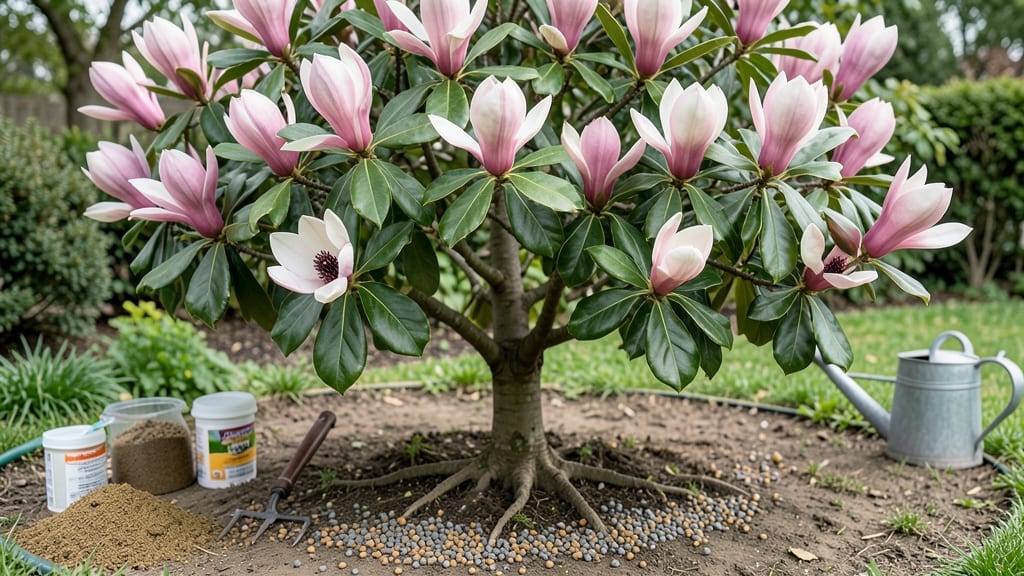
Fertilizing flowering trees at the right time ensures vibrant blooms and strong growth 🌸 — timing is everything, especially when it comes to avoiding over-fertilization during critical bloom stages.
Struggling to get your flowering trees to burst into vibrant blooms year after year? Timing your fertilization could be the missing piece—do it too early or late, and you might stifle those showstopping flowers before they even appear.
In Zone 6, the best window for feeding is early spring, just as buds begin to swell, or late summer to prep for next year’s blooms. But not all trees respond the same way, and overdoing it can lead to lush foliage at the expense of flowers.
Below, I’ll break down the exact months to fertilize, which nutrients to prioritize, and how to adjust your schedule for specific trees like cherry blossoms or magnolias—so you can enjoy bold, healthy blooms every season.
Optimal spring fertilization timing for flowering trees: when new growth meets nutrient needs
Spring is the perfect window to feed your flowering trees, but timing matters more than you might think. Applying fertilizer too early—before buds swell—can waste nutrients and even delay blooming.
The key is synchronizing fertilization with your tree’s natural growth cycle, when it’s ready to use those nutrients for vibrant flowers and lush foliage.
Look for these 3 telltale signs that your tree is ready: bud swell (when buds begin to plump up), leaf emergence (new leaves unfurling), and active root growth (visible sprouts from the soil surface).
These cues signal your tree is breaking dormancy and hungry for nutrients to fuel its spring show.
For most flowering trees, this ideal window falls between late February and early April, just as daylight hours increase and temperatures rise above 40°F consistently. In colder climates (USDA Zones 3-5), wait until after the last frost date—typically mid-April—to avoid shocking dormant roots with warm soil.
Here’s the golden rule: Fertilize when you see 10-20% of buds swollen but before leaves fully unfurl. This ensures nutrients support both bloom production and foliage growth without overloading the tree during its most sensitive phase.
| Growth Stage | Fertilization Timing | Nutrient Focus | Avoid This Mistake |
|---|---|---|---|
| Dormant (Winter) | No fertilizer | None | Over-fertilizing shocks roots |
| Bud Swell (Late Feb-April) | Apply balanced 10-10-10 | Phosphorus for blooms | Using high-nitrogen only |
| Leaf Emergence (April-May) | Light top-dressing | Potassium for strength | Over-applying granular fertilizer |
| Full Bloom (May-June) | No additional fertilizer | None | Feeding during flowering |
Most flowering trees thrive with a balanced fertilizer (like 10-10-10) applied at 1/2 the recommended rate for spring. This low-and-slow approach prevents nutrient burn while giving roots time to absorb what they need.
For example, a 10-foot dogwood might only need 1/2 cup of 10-10-10 spread evenly in its root zone.
Evergreens like azaleas and rhododendrons are exceptions—they prefer acid-loving fertilizers (like 8-3-9 with iron) and benefit from early spring feeding (March) when soil temps hit 50°F. Always check your tree’s specific needs, as camellias and magnolias have unique schedules too.
Avoid these 3 common spring mistakes that sabotage blooms: over-fertilizing (which burns roots), applying fertilizer on dry soil (reduces absorption), and using slow-release granules too early (they won’t activate in cold soil). Instead, opt for quick-release fertilizers in early spring and slow-release later in the season.
After fertilizing, water deeply to help nutrients reach roots—aim for 1-2 inches of water per week. Mulch around the base (but keep it 3 inches away from the trunk) to retain moisture and regulate soil temperature. This simple step can double nutrient uptake during critical growth phases.
Monitor your tree’s response in the weeks after fertilizing. Healthy new growth (not just leaves) and firm, plump buds mean you’ve nailed the timing.
If you see yellowing leaves or stunted growth, flush the soil with water and reduce fertilizer next time—your tree might be telling you it’s had enough!
Pro tip: Take notes each year on your tree’s bloom timing and adjust fertilization accordingly. Some years, like after a harsh winter, trees need an extra boost—but others, especially in rich organic soil, may need less frequent feeding.
Pay attention, and your flowering trees will reward you with bigger, brighter blooms for years to come. 🌸
Fall fertilization strategies: how late-season feeding boosts next year’s blooms
Fall fertilization often gets overlooked, but it’s a game-changer for next year’s blooms. While most gardeners focus on spring feeding, late-season nutrients help flowering trees store energy for spring growth.
The key is timing—apply fertilizer 6-8 weeks before your first frost to allow roots to absorb nutrients before dormancy sets in.
Not all flowering trees benefit equally from fall feeding. Deciduous trees like dogwoods and magnolias respond well, while evergreens may need a gentler approach. Slow-release fertilizers are ideal—they prevent nutrient burn and ensure a steady supply over winter. Think of it as a nutrient bank for your tree’s spring awakening.
🌿 When to Fertilize Flowering Trees in Fall
- Energy storage for spring blooms
- Supports root development before dormancy
- Prevents nutrient deficiencies in young trees
- Risk of over-fertilization if applied too late
- May promote late-season growth vulnerable to frost
- Not suitable for stressed or recently planted trees
For micronutrient support, consider adding iron or magnesium if your soil tests deficient. These trace elements are crucial for chlorophyll production and flower development. Work a balanced fertilizer into the top 6 inches of soil, keeping it 3-4 inches away from the trunk to avoid root damage.
Evergreens like pine or azalea have different needs—they prefer light feeding in early fall (around Labor Day) to avoid stimulating tender new growth. Always check your tree’s USDA hardiness zone to adjust timing accordingly. In Zone 5 or colder, aim for late August to early September.
After fertilizing, mulch heavily (3-4 inches) to insulate roots and retain moisture. Avoid fresh mulch right after application—wait 2-3 weeks to prevent nutrient competition. This fall prep ensures your trees wake up stronger and more vibrant next spring.
Remember, less is more with fall fertilization. Overdoing it can lead to salt buildup in the soil, harming roots during winter. If your tree looks stressed or yellowing, hold off on feeding and focus on hydration and mulching instead.