
Fertilization
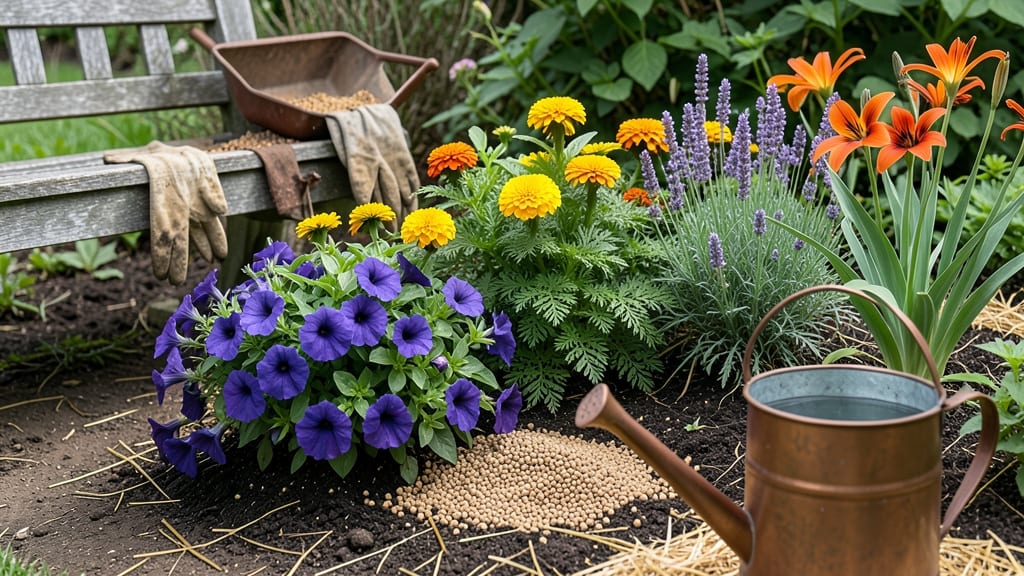
To fertilize flowers at the right time means feeding them just as they’re waking up in spring and again when they’re pushing hard for blooms — a schedule that changes everything from bloom size to how long your plants last.
Struggling to keep your flowers blooming beautifully? Timing your fertilization isn’t just about when—it’s about how to feed them without burning roots or wasting nutrients. One wrong move, and you’ll end up with leafy monsters instead of the vibrant 🌸 displays you’re dreaming of.
Most gardeners skip fertilizing in winter, but spring is where the magic starts. A light feed in early spring jumpstarts root growth, while summer demands a more aggressive approach to keep blooms coming. And if you’re growing flowers in containers? The rules are even stricter.
In this guide, I’ll walk you through the exact seasonal schedule for your climate, how to spot when your flowers are begging for nutrients (or begging you to stop), and why your fertilizer choice matters just as much as the timing.
Seasonal fertilization schedule for flowers: best times by climate Zone
Getting your flowers to bloom their brightest requires more than just water and sunshine—it’s all about feeding them at the right time. I’ve learned the hard way that fertilizing too early or too late can leave you with weak stems and fewer blooms.
The key is understanding your climate zone and matching fertilization to your plants’ natural growth cycles. Whether you’re in a temperate, tropical, or cold region, timing makes all the difference in creating vibrant, healthy flowers.
Most gardeners focus on spring and summer, but late-season care can set your flowers up for next year’s success. For example, in USDA Zone 6a (like much of the Midwest), early spring is all about waking up roots, while late summer prepares plants for winter dormancy.
In warmer climates, like Zone 10, the schedule shifts to support year-round growth. Let’s break down the best times to fertilize flowers month by month, so you can avoid overfeeding and maximize those stunning blooms.
🌱 Pro Tip: Always water your plants thoroughly before applying fertilizer. This helps prevent root burn and ensures nutrients reach where they’re needed most.
| Season | Climate Zone | Best Fertilization Time | Fertilizer Type | Key Goal |
|---|---|---|---|---|
| Early Spring | Temperate (Zones 4-8) | March-April | Balanced (5-10-5) | Stimulate root growth |
| Peak Bloom | Tropical (Zones 9-11) | Year-round (every 3-4 weeks) | High-phosphorus (5-20-10) | Encourage continuous blooms |
| Late Summer | Cold (Zones 1-3) | July-August | Slow-release organic | Strengthen late-season blooms |
| Fall Prep | All Zones | September-October | Potassium-rich (0-0-30) | Prepare for winter dormancy |
| Winter Dormancy | Temperate/Cold | November-February | None | Avoid disturbing roots |
In temperate zones, like where I garden in Zone 6a, the first fertilization should happen in early spring—around March or April—when soil temperatures rise above 50°F (10°C). This timing aligns with new growth and helps establish strong roots before the blooming season.
A balanced fertilizer (5-10-5) is ideal here, as it supports both foliage and flower development without overwhelming the plant.
For tropical climates, where I’ve gardened in Zone 10, the rules change dramatically. Flowers here can bloom year-round, so fertilization happens every 3-4 weeks with a high-phosphorus blend to encourage continuous flowering.
My hibiscus plants thrive on this schedule, producing bold blooms almost nonstop when fed correctly. Just remember: tropical plants need more frequent feeding but also more water to avoid salt buildup from fertilizers.
If you’re in a cold climate (Zones 1-3), late summer is your last chance to fertilize before winter sets in. Focus on slow-release organic fertilizers to give your flowers a steady nutrient supply without stressing them before dormancy.
I’ve seen coneflowers in these zones produce stunning late-season blooms with just one feeding in July or August, paired with a thick layer of mulch to insulate roots.
One mistake I see often is fertilizing in fall or winter, especially in colder zones. Plants in dormancy can’t use nutrients, and excess fertilizer can burn roots or leach into groundwater.
Instead, use this time to amend soil with compost or organic matter, which will pay dividends when spring arrives. Think of winter as a recovery phase—your flowers are resting, and so should your fertilization efforts.
Container-grown flowers need special attention because their roots are confined and dry out faster. I’ve found that container plants benefit from half-strength fertilizer applied every 2-3 weeks during the growing season. The key is to monitor soil moisture closely—containers can
Signs your flowers need fertilizer (and when to skip it)
Flowers send clear signals when they're hungry for nutrients, but many gardeners misread these cues—or ignore them entirely. Yellowing leaves, stunted growth, or small, sparse blooms are classic red flags. However, rushing to fertilize can backfire if your plants are already stressed from overwatering or poor drainage.
Learning to distinguish between nutrient needs and other issues is key to keeping your garden thriving.
Before grabbing that fertilizer bottle, check your plant's soil quality and watering habits. Flowers often need nutrients most during their active growing season (spring to early fall), but timing matters just as much as the type.
For example, phosphorus-rich fertilizers encourage blooms, while nitrogen-heavy feeds promote leafy growth at the expense of flowers. Understanding these differences helps you avoid costly mistakes.
Don't fertilize if your plants show these signs:
- Newly planted flowers (wait 4-6 weeks)
- Stressed plants (wilted, diseased, or recovering from transplant shock)
- Late summer/fall (prep for dormancy instead)
- Overly wet soil (risk of root burn)
Even healthy flowers may not need feeding if they're in rich compost or well-aged soil. Always water thoroughly before fertilizing to prevent salt buildup.
One of the most common mistakes is over-fertilizing, which can lead to leaf burn, excessive foliage (but fewer blooms), or even plant death. If your flowers produce big leaves but tiny buds, they're getting too much nitrogen.
Instead, switch to a 5-10-5 or 10-20-10 fertilizer to prioritize blooms. Organic options like fish emulsion or bone meal are gentler and release nutrients slowly.
Pay attention to root health—healthy roots mean your flowers can absorb nutrients efficiently. If you notice mushy roots or white, crusty deposits on soil, your plants may be suffering from fertilizer salt buildup.
Flush the soil with water and hold off on feeding for a few weeks. Container-grown flowers are especially vulnerable, so dilute fertilizers to half-strength for potted plants.
Seasonal timing is everything. In spring, focus on root development with a light feed of balanced fertilizer (10-10-10). During peak bloom season (summer), switch to a phosphorus-heavy formula (like 5-10-5) to encourage more flowers.
By late summer, taper off fertilizing to let plants harden off for winter. This gradual approach prevents sudden growth spurts that can't survive frost.
Remember, less is often more when it comes to fertilizing flowers. Many gardeners overcorrect by feeding too frequently, leading to nutrient imbalances or environmental runoff. Start with a soil test to understand your garden's baseline nutrients.
If your flowers are otherwise healthy but just lackluster, a single monthly feed during the growing season may be all they need. Trust your plants—they'll tell you what they need if you know how to listen. 🌸