
Trees
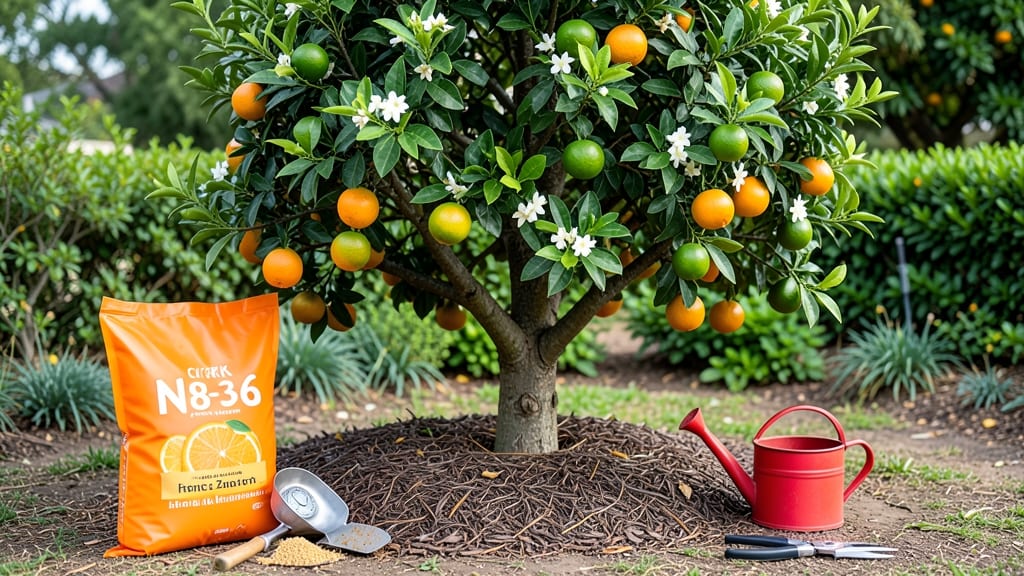
Fertilizing your 🍊 orange tree in California at the right time means the difference between a tree bursting with fruit and one that struggles to keep up.
California’s orange groves thrive on precision—fertilizing at the wrong time can stunt growth, reduce fruit yield, or even harm your trees. Timing is everything, and mastering the spring and fall fertilization schedule is the key to bountiful harvests.
In USDA zones 9-11, where frost is rare, the best times to feed your tree are late winter (February-March) and early fall (September-October). This aligns with natural growth cycles, ensuring nutrients are absorbed when your tree needs them most.
Below, I’ll break down the exact schedule, including how soil type and tree age affect your approach—so you can avoid common mistakes and keep your orange tree producing for years.
Best times to fertilize orange trees in California: spring vs. fall schedule breakdown
Timing your orange tree fertilization in California isn't one-size-fits-all—it depends on your USDA zone, local climate, and tree maturity.
In Southern California (Zones 10-11), like San Diego or Riverside, you can fertilize year-round with lighter applications, while Central California (Zones 9-10), such as Fresno or Bakersfield, should align with cooler months to avoid heat stress.
The key is matching fertilization with your tree's growth cycles and soil conditions.
For most California growers, the optimal fertilization windows are late winter/early spring (February-March) and early fall (September-October). These periods align with natural root activity and fruit development stages.
Spring feeding kickstarts new growth, while fall applications prepare trees for winter dormancy. However, container-grown orange trees may need adjustments due to their faster nutrient depletion.
🍊 California Orange Tree Fertilization Schedule Comparison
| Season | Best Time (CA Regions) | Soil Temp Trigger | Tree Growth Stage | Fertilizer Type | Application Tips |
|---|---|---|---|---|---|
| Spring | Feb-March (Coastal) March-April (Inland) |
55-65°F (13-18°C) | Flowering/Bud Set | Balanced NPK (6-6-6) Citrus-specific blend |
Apply 1/2 cup (young) 1-2 cups (mature) Water deeply after |
| Summer | Skip (June-August) | N/A (Dormant Period) | Fruit Development | None (Risk of Burn) | Focus on irrigation Mulch to retain moisture |
| Fall | Sept-Oct (Coastal) Oct-Nov (Inland) |
60-70°F (16-21°C) | Root Hardening | Low-Nitrogen (3-4-6) Organic options |
Light application Stop by Nov 15 |
| Winter | Skip (Dec-Feb) | Below 50°F (10°C) | Dormancy | None | Prune if needed Monitor for pests |
In Southern California, where winters are mild, you can extend your spring fertilization into April and your fall application into November. However, always check your local frost dates—even coastal areas can see unexpected chills.
For example, Santa Barbara's last frost is around December 15, while inland areas like Bakersfield may experience frost as early as November 15.
Your orange tree's age also dictates timing. Young trees (1-3 years) need more frequent but lighter applications—think every 6-8 weeks in spring and early summer, tapering off by fall.
Mature trees (4+ years) can handle heavier applications every 3-4 months, but avoid overdoing it, as excess nitrogen leads to leafy growth at the expense of fruit.
One critical soil trigger for fertilization is temperature. Wait until soil reaches 55°F (13°C) in spring—this ensures roots are active enough to absorb nutrients. Use a soil thermometer to check; coastal areas hit this mark by February, while inland valleys may need to wait until March or April.
In fall, aim for 60-70°F (16-21°C) soil temps before applying fertilizer to avoid shocking dormant roots.
For container-grown orange trees, adjust your schedule by 2-4 weeks earlier in spring and 2 weeks later in fall. Containers heat up faster and dry out quicker, so their roots are ready for nutrients sooner.
Also, flush the soil with water every 3-4 months to prevent salt buildup from fertilizers—this is especially critical in sandy soils common in Southern California.
Pro tip: Pair your spring fertilization with a 2-3 inch layer of mulch to retain moisture and regulate soil temperature. Use wood chips or straw, keeping it 6 inches away from the trunk to prevent rot. In fall, reduce mulch thickness
How to choose the right fertilizer for California orange trees: organic vs. synthetic options
Choosing the right fertilizer for your California orange tree depends on your soil type and the tree's growth stage. Sandy soils drain quickly and need frequent feeding, while clay-heavy soils retain moisture and nutrients longer. Both require a balanced approach to avoid nutrient deficiencies or toxic buildup.
Orange trees thrive with a 6-6-6 or 8-3-9 NPK ratio, but micronutrients like zinc, iron, and magnesium are equally critical. Synthetic fertilizers provide immediate results, while organic options improve soil health long-term. Let’s break down the pros and cons to help you decide.
Organic Fertilizers for Orange Trees
Pros
- Improves soil structure over time
- Releases nutrients gradually
- Reduces risk of root burn
- Supports beneficial microbes
Cons
- Slower results than synthetic
- Requires more frequent applications
- Can attract pests if overused
Synthetic Fertilizers for Orange Trees
Pros
- Fast nutrient absorption
- Precise NPK ratios available
- Easy to measure and apply
Cons
- Risk of root burn if overapplied
- No soil health benefits
- Can leach into groundwater
For organic options, consider composted manure, citrus-specific blends, or worm castings. These improve soil fertility while reducing the need for synthetic inputs. Mix organic fertilizers into the top 4-6 inches of soil during spring and fall.
If you prefer synthetic fertilizers, opt for slow-release granules or liquid feeds with micronutrient additives. Always follow package instructions to avoid over-fertilizing, which can damage roots. For young trees, use half the recommended dose to prevent stress.
California’s diverse soil types mean you may need to adjust your approach. Test your soil every 2-3 years to monitor nutrient levels. Sandy soils benefit from more frequent organic top-dressing, while clay soils may need gypsum or compost to improve drainage and aeration.
Ultimately, the best fertilizer depends on your priorities: immediate growth (synthetic) or long-term soil health (organic). Many growers use a combination of both for balanced results. Start with organic amendments and supplement with synthetic feeds during peak growth seasons.