
Plants
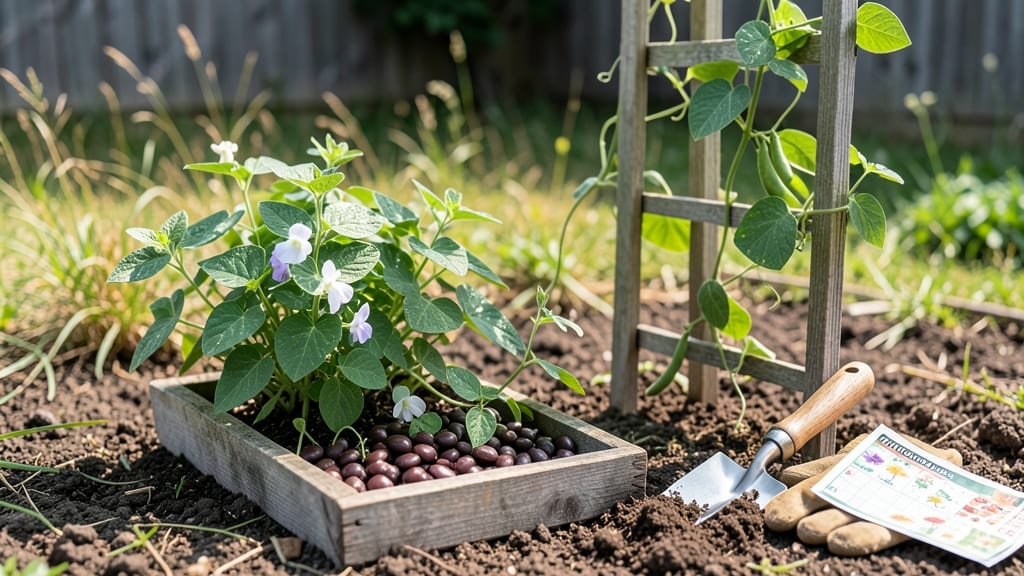
Planting beans in Southern California at the right time means the difference between a garden full of crisp, flavorful pods and one that wilts under the heat or struggles to set fruit.
Here’s the catch: SoCal’s microclimates—coastal breezes, inland heat, and frost-free winters—mean a one-size-fits-all approach won’t work. Plant too early in the valleys, and your beans bolt before they even form pods. Wait too long, and summer’s relentless sun turns your harvest into shriveled husks.
The key? Timing it to soil temperatures of 60°F or higher and choosing varieties that match your local heat zone.
For coastal areas like San Diego, late winter (February–March) is prime for cool-season beans like green or wax varieties. Inland regions? Shift your focus to late summer (August–September) for heat-tolerant types like black-eyed peas or cowpeas.
Both windows avoid the worst of the summer heat while giving your plants enough time to mature before the next season’s challenges.
Below, I’ll break down the exact planting windows for your region, soil prep secrets to lock in success, and how to stretch your harvest season—even in SoCal’s unpredictable climate.
Optimal planting windows for beans in Southern California by variety
Southern California’s microclimates create unique challenges for bean growers. Coastal areas like Malibu or San Diego stay milder year-round, while inland zones like Palm Springs or Bakersfield experience extreme summer heat.
These differences mean your planting window for beans can vary by 5-6 weeks depending on location. Let’s break down the best times for cool-season and heat-tolerant varieties to maximize your harvest.
For cool-season beans like green beans and wax beans, the ideal window is late winter to early spring (February through March). This aligns with soil temperatures warming to 60-65°F, which prevents cold stress while avoiding summer’s scorching heat.
Inland areas can push planting slightly later (March to early April), while coastal regions may start as early as January in sheltered microclimates.
Heat-tolerant varieties such as black-eyed peas and cowpeas thrive in late summer (August to September). These beans can handle 90°F+ temperatures better than other types, making them perfect for inland SoCal gardens.
However, coastal growers should plant these varieties no later than mid-August to avoid late-summer fog and heat stress from cooling ocean breezes.
Coastal gardeners should take advantage of milder winter temperatures by planting cool-season beans as early as January in protected microclimates. For example, areas like Santa Barbara or San Diego can start green beans
How to extend your bean harvest season in Southern California’s climate
Southern California’s frost-free growing season and warm winters create perfect conditions for year-round bean production—but only if you use the right strategies. The key is staggered plantings and heat management to avoid summer stress.
With the right approach, you can enjoy fresh beans from late winter through fall, even in urban containers or small spaces.
Most gardeners focus on spring plantings (February–March), but heat-tolerant varieties like black-eyed peas and yard-long beans thrive in late summer when temperatures dip slightly. The trick is succession planting every 2–3 weeks to keep pods maturing continuously.
For urban growers, container gardening with dwarf varieties ensures success even in limited space.
🌱
📅 Step-by-Step Guide to Extending Your Bean Harvest
- Cool-Season Planting: Start green beans or wax beans in February–March when soil reaches 60°F. Use row covers for coastal areas to protect from chilly nights.
- Succession Plant: Sow new seeds every 2 weeks until May to ensure a continuous harvest through summer’s edge.
- Heat Management: For August–September plantings, use shade cloth (30–50%) to protect from 90°F+ temps. Water deeply early morning to prevent stress.
- Soil Prep: Amend soil with compost and mycorrhizal fungi to improve heat tolerance. Avoid fresh manure, which can burn roots.
- Urban Containers: Use 5-gallon pots for bush beans or trellises for pole beans. Place in full sun and water daily during heatwaves.
- Fall Transition: Switch to heat-tolerant varieties like cowpeas in late summer for a second harvest before winter.
One of my favorite tricks is intercropping beans with fast-growing crops like radishes or lettuce. While the beans mature slowly, the radishes provide early shade for the soil, reducing moisture loss. This dual-purpose approach maximizes your square footage and keeps pests at bay naturally.
For urban gardeners, container-grown beans are a game-changer. Choose compact varieties like Blue Lake bush beans or Mascotte pole beans, which thrive in 5–10 gallon pots.
Ensure pots have drainage holes and use a lightweight potting mix to prevent root rot. Place containers on casters to move them into shade during peak afternoon sun.
Don’t forget to harvest regularly—picking pods every 3–4 days encourages more production. If you let beans overmature, the plant will redirect energy to seed production, reducing your yield. Store harvested beans in the fridge for up to 5 days or blanch and freeze for long-term storage.
With these strategies, you’ll enjoy fresh, homegrown beans for nearly 10 months of the year, turning your SoCal garden into a year-round productivity powerhouse. 🌿