
Plants
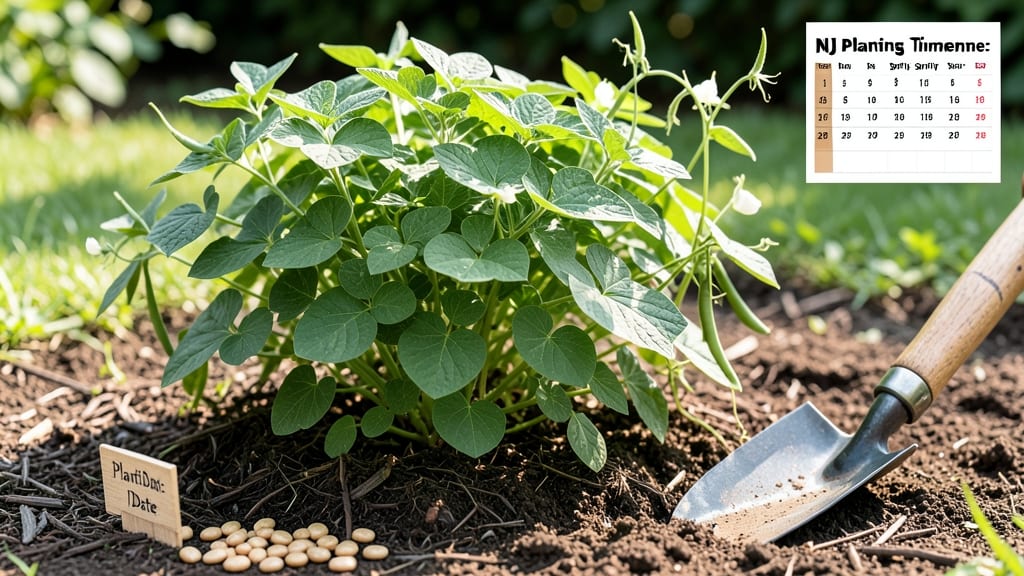
To plant beans in NJ after the last frost date—typically between April 15 and June 1—is the key to avoiding frost damage while maximizing your harvest.
Timing is everything when growing beans in New Jersey—plant too early and risk frost damage, too late and miss peak harvest season. With NJ’s diverse USDA zones (6a-7b), knowing the exact window for pole and bush varieties ensures a bountiful yield.
Beans 🌱 thrive in warm soil, so wait until temperatures consistently hit 60°F before sowing seeds directly outdoors. In cooler microclimates or urban areas, a light row cover can buy you an extra week or two of planting time.
Below, I’ll break down the best planting dates for your zone, whether to start seeds indoors, and how to stretch your harvest with succession plantings—so you can enjoy fresh beans from July through September.
Best planting dates for NJ beans by USDA zone (6a vs 7b)
New Jersey’s USDA zones 6a and 7b create slightly different planting windows for beans, but both require soil temperatures above 60°F and frost-free conditions.
In zone 6a (northern NJ), the last frost typically arrives around April 15–May 1, while zone 7b (southern NJ) sees frost-free soil by mid-April to late April. These differences mean 2–3 weeks of flexibility in your planting schedule.
For both zones, direct sowing outdoors is the best method—beans dislike transplanting. Start seeds 1 inch deep and 3–4 inches apart in rows 18–24 inches apart for bush beans or 4–6 inches apart with trellis support for pole varieties.
The key is planting after the soil warms and at least 2 weeks after the last frost.
| Zone | Planting Window | Soil Temp Requirement | Bush Bean Varieties | Pole Bean Varieties | Succession Planting |
|---|---|---|---|---|---|
| 6a (Northern NJ) | May 1–May 15 | 60°F+ | Blue Lake, Provider | Kentucky Wonder, Rattlesnake | June 15–July 1 |
| 7b (Southern NJ) | April 15–April 30 | 60°F+ | Roma, Contender | Scarlet Runner, Blue Lake Pole | May 15–June 1 |
| Both Zones | Avoid planting after July 1 | N/A | Heat-tolerant: 'Black Valentine' | Heat-tolerant: 'Masai' | Late plantings risk poor yields |
In zone 6a, aim for early May plantings to avoid late frosts that can kill young seedlings. Varieties like Blue Lake bush beans mature in 50–55 days, making them ideal for a July harvest before summer heat peaks.
For pole beans, choose Kentucky Wonder, which thrives in NJ’s climate and produces longer harvest windows due to its climbing habit.
Southern NJ’s zone 7b allows for earlier plantings starting mid-April, but always confirm soil temperature with a soil thermometer. Roma beans are a great choice here—they mature quickly (45–50 days) and handle warmer soils better than northern varieties.
If you’re in urban areas like Newark or Camden, microclimates may push your planting window 1–2 weeks earlier due to heat retention.
For succession planting, follow the 2–3 crop rule: plant a second batch 2 weeks after the first harvest and a third batch 4 weeks after the second.
In zone 6a, this means June 15 and July 1 plantings, while zone 7b gardeners can stretch to May 15 and June 1. Use heat-tolerant varieties like Black Valentine for late-season plantings to ensure harvests through September.
If you’re starting seeds indoors (not recommended for beans), do so 2–3 weeks before your outdoor planting date to give seedlings a head start. However, direct sowing is easier and produces hardier plants.
Always harden off seedlings for 3–5 days if you choose indoor starts, exposing them to outdoor conditions gradually to prevent shock.
Watch for soil temperature fluctuations—beans won’t germinate below 50°F, and slow growth occurs below 60°F. Use a black plastic mulch to warm soil faster in cooler zones or shade cloth to protect seedlings from intense midday sun during heatwaves.
These tricks help extend your planting window by 1–2 weeks in both zones.
Finally, avoid planting beans where tomatoes, pe
Pole vs. bush beans: NJ-specific growing differences and planting tips
Choosing between pole beans and bush beans in New Jersey can make or break your harvest.
NJ’s USDA zones 6a-7b and variable microclimates mean each type thrives under different conditions. Pole beans need more time to mature, while bush beans offer quicker rewards—both require precise timing to avoid frost or heat stress.
In NJ’s urban gardens, space often dictates choice—bush beans fit neatly in containers, while rural plots can accommodate sprawling pole varieties. Soil prep and spacing also differ dramatically, with pole beans needing trellises and bush beans thriving in tight rows.
Let’s break down the key differences to help you decide which suits your NJ garden best.
Pole vs. Bush Beans in NJ
- Pros: Higher yield per plant, longer harvest window
- Cons: Needs trellis, slower to mature
- Pros: Compact, faster harvest (50-60 days)
- Cons: Lower yield, shorter harvest window
For pole beans, focus on late spring planting (May-June) to maximize NJ’s 120-150 frost-free days. Varieties like Kentucky Wonder or Rattlesnake thrive when given 6-8 hours of sun and a sturdy trellis.
Their longer vines (6-10 feet) require 5-6 inch spacing between plants and rows, making them ideal for rural gardens or fences.
In contrast, bush beans like Blue Lake or Provider are perfect for urban containers or tight spaces. Plant them 2-3 weeks earlier (April-May) for a quicker harvest. Their compact 2-3 foot height allows for 3-4 inch spacing, making them ideal for succession planting every 2 weeks through July.
NJ’s microclimates play a huge role—coastal areas (Zone 7b) can handle earlier plantings, while northern inland (Zone 6a) should wait until after May 15. Always check soil temperature (use a thermometer)—beans need 60°F+ to germinate. In urban heat islands, mulch heavily to retain moisture and cool roots.
One final NJ-specific tip: If you love pole beans but lack space, try dwarf varieties like Blue Lake Bush with a mini trellis. For bush beans, interplant with radishes or lettuce to maximize space. Both types benefit from regular harvesting—picking pods frequently encourages more production.
Whether you choose pole or bush, NJ’s climate rewards careful planning. Start with soil prep, watch those frost dates, and adjust for your microclimate. With the right variety and timing, you’ll enjoy fresh beans from July through September—or even longer with succession plantings! 🌱