
Plants
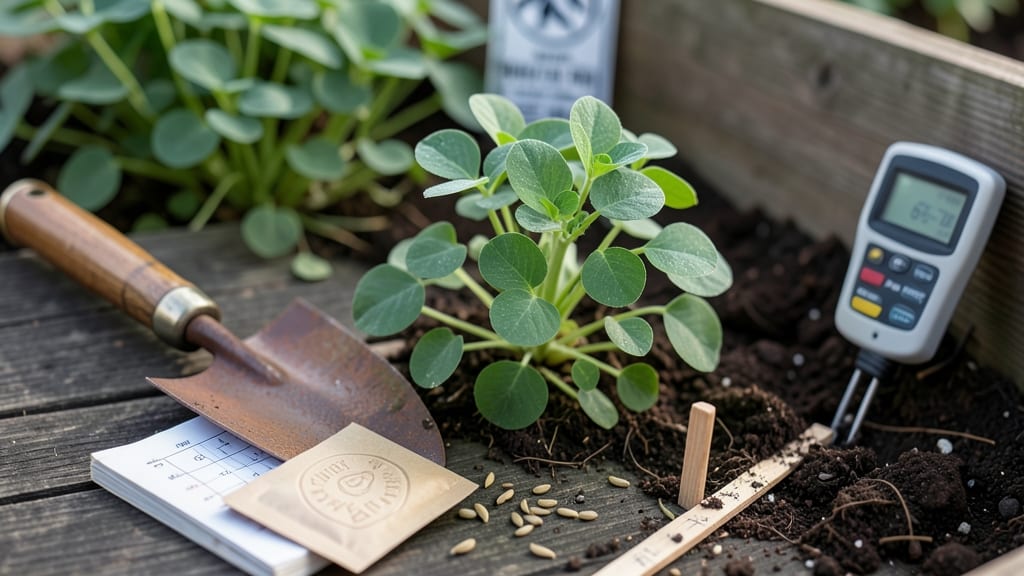
Planting alfalfa in Michigan between early spring and early summer ensures strong root growth before summer heat sets in 🌱 — but timing it wrong means wasted seeds and lost yields.
If you’ve ever watched your alfalfa seeds sprout only to be fried by a late frost or drown in soggy spring soil, you know how critical the planting window really is.
Michigan’s Zone 5b-6b climate throws curveballs, with frost dates shifting from mid-April in the Upper Peninsula to late April in the Lower Peninsula.
Most gardeners focus on the last frost date, but alfalfa’s success hinges on soil temperature, too. Seeds need at least 60°F soil to germinate, which often means waiting until late April or even early May in cooler regions.
That’s why I’ve broken down the exact frost-date map and soil prep steps you need to avoid common mistakes.
In this guide, you’ll discover the ideal planting windows for both spring and fall, soil temperature checks to time it perfectly, and how to adjust for Michigan’s unpredictable weather—so your alfalfa thrives from the first year onward.
Michigan alfalfa planting dates by region: frost-date map breakdown
Alfalfa is a hardy forage crop that thrives in Michigan’s cool climates, but getting the planting timing right depends heavily on your USDA zone. The Upper Peninsula (Zone 5b) faces earlier frosts than the Lower Peninsula (Zone 6b), meaning your planting window shifts by weeks.
I’ve broken down the exact frost dates, soil temperature thresholds, and ideal germination periods for both regions to help you avoid wasted seeds and maximize yields.
In Zone 5b (Upper Peninsula), the last frost date typically falls around May 15th, while Zone 6b (Lower Peninsula) sees its last frost around May 1st. These dates are critical because alfalfa seeds need soil temperatures above 50°F (10°C) to germinate properly.
Planting too early in cold soil can lead to rot, while waiting too late risks stunted growth before the first frost.
For spring planting, aim to sow alfalfa seeds 4-6 weeks before your last frost date.
This means April 15th to May 1st in Zone 6b and May 1st to May 15th in Zone 5b. Using a soil thermometer to confirm temperatures are consistently above 50°F ensures your seeds won’t sit dormant or rot in the ground.
Fall planting is also an option in Michigan, but it’s riskier due to early frost threats. In Zone 6b, you can attempt a late summer planting (August 1st) if your soil remains warm and frost isn’t forecasted for at least 6 weeks.
In Zone 5b, fall planting is not recommended unless you’re using a cold-hardy variety like ‘Ladak’ and have protection like row covers.
| Factor | Zone 5b (Upper Peninsula) | Zone 6b (Lower Peninsula) |
|---|---|---|
| Last Frost Date | May 15th | May 1st |
| First Frost Date | October 1st | September 30th |
| Ideal Spring Planting Window | May 1st–15th | April 15th–May 1st |
| Soil Temp for Germination | 50°F (10°C) minimum | 50°F (10°C) minimum |
| Fall Planting Window | Not recommended | August 1st (high risk) |
| Germination Time | 7–14 days | 7–14 days |
| Key Risk | Late frosts | Early frosts |
One of the biggest mistakes I see gardeners make is planting alfalfa too early in Zone 5b because they assume the soil is warm enough. Always double-check with a soil thermometer—cold soil can delay germination by weeks.
If your soil is below 50°F, wait until temperatures stabilize. In Zone 6b, you can start seeds indoors in early April to get a head start, but transplant outdoors only after the soil warms.
For fastest germination, I recommend pre-soaking alfalfa seeds for 12 hours before planting. This tricks the seeds into thinking they’ve experienced a rainy season, which speeds up sprouting. Once planted, keep the soil consistently moist but not waterlogged—alfalfa roots need oxygen to grow.
Mulching with straw can help retain moisture and regulate soil temperature, especially in Zone 5b’s cooler springs.
If you’re planting alfalfa as a
How to adjust alfalfa planting for Michigan’s unpredictable weather
Michigan’s unpredictable weather can turn alfalfa planting into a gamble if you don’t adjust your strategy. Late frosts in spring and drought risks in summer demand proactive steps to protect your crop.
Whether you’re growing alfalfa for forage or as a cover crop, these adjustments will help you beat Michigan’s climate challenges.
First, seed priming is a game-changer for cold soils. Soak alfalfa seeds in warm water for 12 hours before planting to jumpstart germination. This is especially critical in Zone 5b areas where soils warm slowly.
Pair this with companion planting—adding clover or grasses can improve soil structure and reduce erosion risks during dry spells.
- 🌱 Prime seeds in warm water for 12 hours to speed germination in cold soils (Zone 5b).
- 🌡️ Wait for soil temps of 50°F+ before planting—use a soil thermometer to avoid frost damage.
- 💧 Mulch heavily with straw to retain moisture during drought risks in summer.
- ☀️ Plant in raised beds if your area has poor drainage—alfalfa hates soggy roots.
- ⏰ Have backup dates: If frost hits early, replant by June 15 for a second harvest.
Michigan’s drought-prone summers require smart watering. Once established, alfalfa is drought-tolerant, but young plants need consistent moisture. Water deeply once a week in spring and reduce to bi-weekly in summer, focusing on the root zone.
A drip irrigation system is ideal—it delivers water directly to roots while minimizing evaporation.
For late frosts, choose planting spots with south-facing slopes to capture warmth. If frost threatens after germination, cover seedlings with row fabric or old blankets until temperatures rise.
In Zone 6b, where frosts are less severe, you can push planting to early May, but always monitor local forecasts.
Finally, backup planting dates are non-negotiable. If your first attempt fails due to frost or drought, have alfalfa seeds ready for a June replanting. While yields may be smaller, a second crop is better than none.
Pair this with soil testing—alfalfa thrives in pH 6.8-7.5, so adjust lime or sulfur as needed before planting.
With these adjustments, you’ll turn Michigan’s unpredictable weather into an advantage. Alfalfa may be tough, but smart planning makes it thrive—even in the Great Lakes’ most challenging seasons. 🌱