
Plants
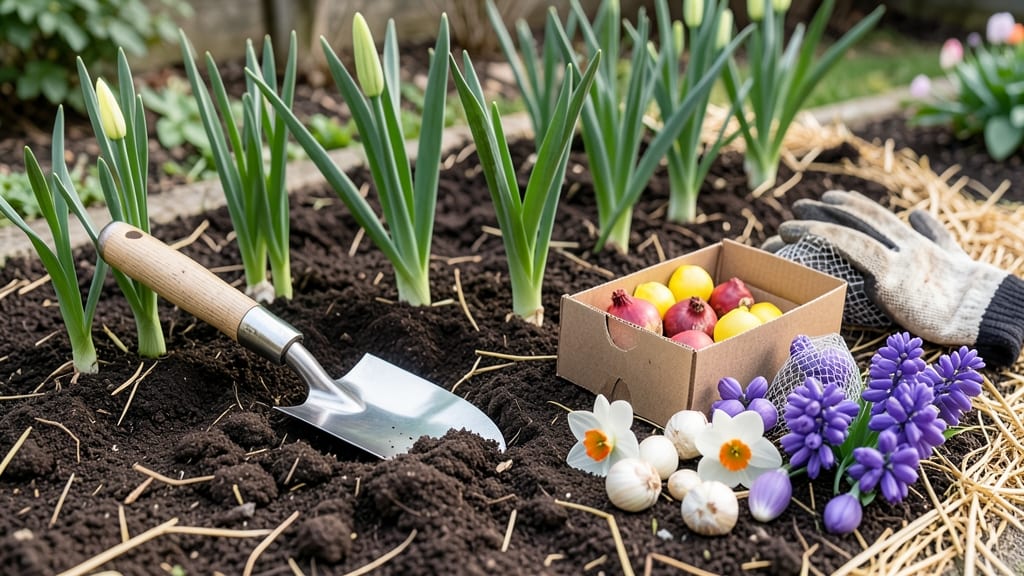
Planting bulbs in Michigan in spring means timing it right—soil temperature and frost dates are the key to seeing those 🌷 blooms you’ve been waiting for.
Timing is everything when planting spring bulbs in Michigan—get it wrong, and your blooms may never emerge. But with the right soil temperature and frost-free window, you can transform your garden into a vibrant display of color.
Michigan’s USDA Zones 5b-6b mean your last frost typically arrives around mid-April, but soil temperature is the real game-changer. Wait until the ground reaches 50°F—that’s when roots wake up and start growing.
Below, I’ll break down the exact planting window for Michigan’s most popular bulbs—tulips, daffodils, and alliums—plus how to prep your soil and protect early plantings from late frosts.
Michigan spring bulb planting timeline by USDA Zone & soil temperature
Michigan’s spring climate can be as unpredictable as a lake-effect snowstorm, making timing your spring bulb planting a critical skill. Unlike fall plantings, spring bulbs like tulips and daffodils must wait for soil temperatures to stabilize between 45-55°F—too early, and frost will kill tender sprouts.
Too late, and you’ll miss the optimal bloom window. Here’s how to nail it in Michigan’s USDA Zones 4-6, with special notes for the Upper Peninsula’s colder microclimates.
Most Michigan gardeners focus on fall planting (September-October), but spring plantings are possible if you’re correcting gaps or adding late bloomers. The key is watching for consistent soil temperatures—use a soil thermometer to confirm 50°F+ at 4-inch depth.
In the Lower Peninsula (Zones 5b-6a), this typically aligns with mid-April to early May, while the Upper Peninsula (Zone 4b) may need to wait until late May.
Regional frost-free dates vary wildly: Detroit averages April 15, but Marquette can linger until May 10. Planting too soon risks frost damage to emerging shoots, so always check the National Weather Service’s frost forecast for your area.
For hardy varieties like daffodils and alliums, you can push the envelope slightly, but tulips and hyacinths are far more frost-sensitive.
| USDA Zone | Soil Temp Threshold | Planting Window | Frost-Free Target | Best Bulbs for Zone |
|---|---|---|---|---|
| 5b (Lower Peninsula) | 48-52°F | April 15 - May 5 | April 15 (avg) | Tulips, Daffodils, Hyacinths |
| 6a (Southeast MI) | 50-55°F | April 1 - April 20 | April 5 (avg) | Alliums, Fritillaries, Late Bloomers |
| 4b (Upper Peninsula) | 52-58°F | May 10 - May 25 | May 10 (avg) | Daffodils, Crocuses, Hardy Alliums |
| All Zones | Minimum 45°F | After last frost | N/A (check local forecasts) | Grape Hyacinths, Snowdrops |
In Zone 5b (covering most of the Lower Peninsula), aim to plant by May 5 to ensure bulbs establish roots before summer heat sets in. Daffodils are the most forgiving, tolerating late plantings if soil stays moist, while tulips demand precise timing—plant them too late, and they may bolt to seed instead of blooming.
For Zone 6a (southeastern Michigan), you can start as early as April 1, but monitor soil temps closely.
The Upper Peninsula’s Zone 4b presents unique challenges due to its shorter growing season. Here, prioritize hardy varieties like daffodils and crocuses, which can handle cooler soils.
Wait until May 10 or later, and consider using black plastic mulch to warm the soil faster. Avoid tender bulbs like hyacinths unless you’re willing to risk them.
Pro tip: If you’re planting in containers, warm them up indoors for a week before transplanting to extend your planting window. For in-ground plantings, amend the soil with compost to improve drainage—Michigan’s clay-heavy soils can suffocate bulbs if too compacted.
Always plant bulbs at a depth of 6-8 inches (or 2-3 times their height) to protect them from temperature swings.
After planting, protect your bulbs from late frosts using frost cloth or a lightweight row cover. Remove it during the day to allow sunlight, but reapply at night until the threat of frost passes.
Water lightly after planting to encourage root growth, then reduce watering once shoots appear. Overwatering at this stage can lead to rot, especially in Michigan’s humid springs.
Remember, spring-planted bulbs may not bloom as vigorously as fall-planted ones, but they’re a great way to fill gaps or add late-season color.
For the best results, combine spring plantings with fall prep: order bulbs in August, chill them in the fridge for 6-8 weeks, then plant them in September-October for next spring’s showstopper blooms.
🌱
How to prepare Michigan soil for spring bulb planting (step-by-step guide)
Michigan’s clay-heavy soil and unpredictable spring weather can challenge bulb planting, but with the right prep, your tulips, daffodils, and alliums will thrive. The key is balancing soil pH, drainage, and frost protection—especially in USDA Zones 5b-6b.
Start by testing your soil’s pH level (aim for 6.0-7.0) and amending it with organic matter to break up compaction. This ensures your bulbs get the nutrients they need to grow strong roots before blooming.
Clay soil in Michigan can become waterlogged, suffocating bulb roots. To improve drainage, mix in compost or aged manure (2-3 inches) and consider adding coarse sand or perlite for looser texture. Work these amendments into the top 12 inches of soil where your bulbs will reside.
If your garden has poor drainage, plant bulbs in raised beds or mounded soil to prevent rot. Drainage is non-negotiable—bulbs rot in soggy soil.
When to fertilize is almost as critical as soil prep. Wait until after planting (not before) to apply a balanced bulb fertilizer (5-10-10 NPK ratio). Sprinkle it lightly over the soil surface and water it in—this feeds the bulbs as they establish roots. Avoid heavy fertilizers in fall, as they can encourage tender shoots that freeze. Instead, focus on organic matter like compost to build soil health over time.
🌱 Step-by-Step Soil Prep for Michigan Bulbs
- 🔹 Test soil pH (use a home test kit)—aim for 6.0-7.0. Adjust with lime (to raise pH) or sulfur (to lower pH) if needed.
- 🔹 Amend clay soil by mixing in 3 inches of compost or aged manure into the top 12 inches of soil.
- 🔹 Improve drainage by adding coarse sand or perlite (1 part sand to 3 parts soil) if your garden holds water.
- 🔹 Plant bulbs at the right depth: 6-8 inches deep (2-3x the bulb’s height) for most varieties.
- 🔹 Fertilize after planting with 5-10-10 bulb food, sprinkling lightly over the soil surface.
- 🔹 Protect from frost with row covers or mulch (straw or shredded leaves) if late frosts threaten.
Michigan’s spring frosts can linger well into May in some areas, so plan ahead. After planting bulbs in early spring (April-May), monitor your garden for frost warnings. Use frost blankets or row covers to shield tender shoots until temperatures stabilize.
Mulching with straw or shredded leaves (2-3 inches) also insulates soil and retains moisture. Remove mulch once shoots emerge to prevent rot.
One final tip: Don’t rush planting—wait until the soil temperature reaches 45-55°F (test with a soil thermometer). Cold soil slows root growth, while warm soil encourages early sprouting that can be damaged by late frosts.
In northern Michigan (Zone 4), aim for late April to early May; in southern Michigan (Zone 6), you can plant as early as mid-April. Timing makes all the difference!
With these steps, your Michigan garden will be ready to burst into vibrant spring color—just in time for summer. Happy planting! 🌷