
Plants
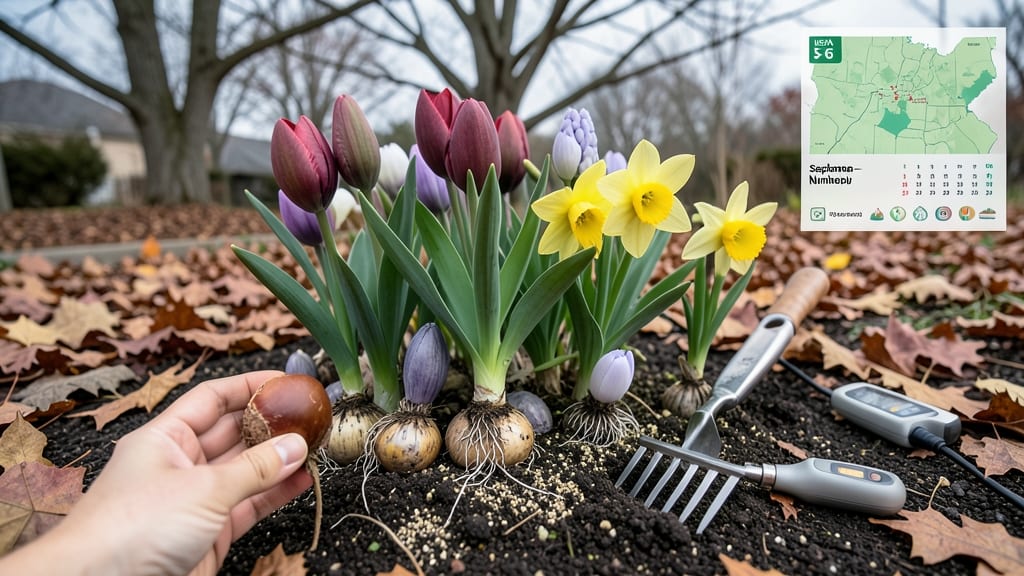
Planting bulbs in Indiana at the right time means the difference between a showstopping spring garden and a season of disappointment.
Indiana gardeners know timing is everything—plant bulbs too early, and frost will ruin your blooms; too late, and you’ll miss the ideal growing window. Mastering the perfect planting schedule ensures vibrant spring flowers and summer bulbs that thrive in Indiana’s 5b-6a climate.
Fall planting is the gold standard for most bulbs, but Indiana’s unpredictable weather adds a layer of strategy. Whether you’re tucking in tulips in September or waiting for soil to warm in March, the key is knowing your zone’s last frost date and adjusting accordingly.
Below, I break down the exact months for each zone, soil prep secrets to boost root growth, and how to handle Indiana’s occasional late freezes—so you can plant with confidence and enjoy blooms that outshine the neighbors.
Best planting months for Indiana bulbs by hardiness Zone
Indiana’s USDA Zones 5b and 6a create a unique window for planting bulbs, where fall planting is ideal for most varieties. The key is timing it 6-8 weeks before the first hard frost—typically mid-October in northern Indiana and early November in southern regions.
For spring planting, aim for 4-6 weeks before your last frost date, usually early March in Zone 5b and late February in Zone 6a.
Missed the fall window? Don’t worry—spring planting still works for many bulbs like tulips and daffodils, though they may bloom slightly later. The critical factor is soil temperature: bulbs need 60°F soil to start rooting, which happens naturally in fall but may require patience in spring.
| Bulb Type | Zone 5b Planting Window | Zone 6a Planting Window | Key Notes |
|---|---|---|---|
| Tulips | Late September - Mid October | Early October - Early November | Plant 6 inches deep; avoid wet soil in spring. |
| Daffodils | Mid October - Early November | Late October - Mid November | Deer-resistant; plant 8 inches deep. |
| Hyacinths | October - November | October - November | Fragrant blooms; plant 6 inches deep. |
| Crocuses | September - October | September - October | Early spring bloomers; plant 3 inches deep. |
| Alliums | October - November | October - November | Drought-tolerant; plant 8 inches deep. |
For Zone 5b gardeners, focus on planting late September through October—this gives bulbs time to establish roots before winter. In Zone 6a, you have slightly more flexibility, with planting extending into early November.
Use a soil thermometer to confirm temperatures drop below 50°F before covering bulbs with mulch.
Spring planting is trickier but works for hardy varieties like daffodils and alliums. Plant as soon as soil is workable (typically March in Zone 5b and February in Zone 6a), but avoid planting if frost is forecast within 2 weeks.
Use row covers to protect young shoots if late frosts linger.
Pro tip: Label your bulbs immediately after planting—Indiana’s spring weather can make it hard to distinguish varieties later. Include the planting date and depth to track growth. For example, tulips planted at 6 inches deep in October should emerge by early April.
Adjust for microclimates: Northern Indiana’s colder pockets (like Zone 5b) may need earlier planting, while southern regions (like Zone 6a) can wait until late October.
Check your local Cooperative Extension office for precise frost dates—Indiana’s last frost can vary by 2 weeks between north and south.
After planting, water deeply to settle soil around bulbs, but avoid overwatering—soggy soil can cause rot. Mulch with 2-3 inches of straw after the ground freezes to insulate bulbs through winter. In spring, remove mulch once shoots appear to prevent rot from excess moisture.
Remember: Bulb success depends on timing, not just the season. Plant too early, and roots may sprout before winter; too late, and they won’t establish before frost. Use these zone-specific guidelines to maximize your Indiana garden’s spring color show.
🌱
How to time bulb planting for Indiana’s unpredictable spring weather
Indiana’s unpredictable spring weather can make bulb planting a guessing game. One week you’re dealing with late frost warnings, and the next, temperatures soar into the 70s. The key to success lies in understanding soil temperature and historical frost dates—not just calendar months.
I’ve learned that even a 1-2 week delay can mean the difference between blooms and bare soil.
Most gardeners focus on fall planting for spring bloomers like tulips and daffodils, but Indiana’s USDA Zones 5b-6a demand flexibility. If you planted in October but November brings unseasonably warm spells, your bulbs might sprout too early.
Conversely, a cold snap in April can kill off premature shoots. The solution? Use a soil thermometer to confirm 45-55°F soil temps before planting spring bulbs.
🌱
⚠️ Watch for False Springs!
Indiana’s "January Thaw" can trick gardeners into planting too early. If temperatures rise above 50°F in late winter, bulbs may sprout—but a returning frost will kill tender shoots. Wait until soil stays consistently above 45°F for at least 7 days before planting spring bulbs like hyacinths or crocuses.
Pro tip: Cover newly planted bulbs with straw mulch (2-3 inches) for extra frost protection if early blooms appear.
For fall planting, aim for 6-8 weeks before your area’s first frost date. In most of Indiana, that means mid-September to early October. But if your October stays unseasonably warm, delay planting until soil temps drop below 60°F—this prevents premature sprouting.
Use the National Weather Service’s frost prediction maps or your local cooperative extension office for zone-specific guidance.
Adjusting for microclimates is another game-changer. Bulbs planted in low-lying areas or near large bodies of water may experience later frosts than those on south-facing slopes. I’ve seen tulips bloom 2 weeks earlier on a sunny hillside versus the same variety in a shady valley.
Test your soil’s drainage too—waterlogged bulbs rot. If your garden holds moisture, plant in raised beds or amend soil with compost and perlite.
Don’t overlook bulb varieties with longer dormancy periods, like alliums or fritillaries. These thrive even if planted 2-3 weeks later than traditional tulips.
For summer-blooming bulbs (e.g., dahlias or gladiolas), wait until after the last frost—typically mid-May in Indiana—and use black plastic mulch to warm the soil faster.
Finally, keep a planting journal to track what works in your yard. Note frost dates, soil temps, and bloom times each year. Over time, you’ll spot patterns—like that 2023’s early April thaw let my daffodils bloom in March, or that October’s heatwave delayed my tulip shoots until May.
With this data, you’ll refine your timing like a pro.