
Flowers
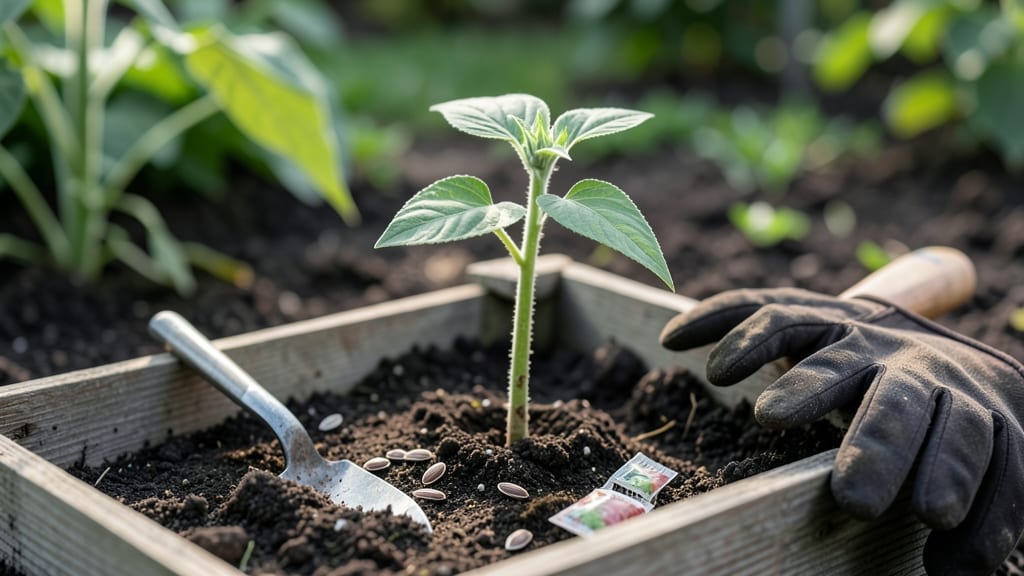
Planting sunflowers in Indiana between mid-April and mid-June ensures they bloom before the first frost 🌻 — timing is everything for those towering stems to reach their full potential.
Indiana’s unpredictable frost dates can make or break your sunflower harvest—plant too early, and you risk frost damage; too late, and you’ll miss the summer blooms. Here’s the exact planting timeline to maximize your sunflowers’ potential in the Hoosier State.
Sunflowers thrive in Indiana’s USDA Zones 5b-6b, where average last-frost dates range from mid-April in southern Indiana to early May in the north. That means your planting window is a tight 6-8 weeks, and every day counts.
Below, I’ll break down the ideal planting dates by region, how to adjust for late frosts, and the one trick that lets you extend your sunflower season by weeks—so you can enjoy those golden blooms from July through September.
Indiana’s sunflower planting timeline by frost Zone (2024 guide)
Indiana’s USDA Hardiness Zones 5b and 6b create a unique challenge for sunflower growers—late spring frosts can damage tender seedlings, while planting too late risks stunted growth before summer’s end.
To nail your sunflower planting window, timing is everything, especially since northern Indiana (Zone 5b) averages 15-20 days later frost-free than southern Indiana (Zone 6b).
Sunflowers thrive when planted after soil temperatures reach 55°F (13°C), which typically aligns with Indiana’s last average frost dates—around April 15 in southern Indiana and May 1 in northern Indiana.
However, these dates are just starting points; microclimates (like urban heat islands or sheltered valleys) can shift your ideal planting window by 1-2 weeks.
Here’s the critical planting timeline for Indiana gardeners, broken down by zone and frost probability. Use this as your guide to avoid frost damage while ensuring your sunflowers reach maturity (70-90 days to harvest) before the first fall frost (October 15).
🌱 Key Tip: Sunflowers are direct-sown annuals—no need for indoor starts. Simply plant seeds 1 inch deep and 6 inches apart in well-draining soil after your last frost date for best results.
| Zone | Avg. Last Frost | Ideal Planting Window | Frost-Free Probability | Harvest Window |
|---|---|---|---|---|
| 5b (Northern IN) | May 1 | April 20 - May 10 | 80% by May 15 | July 20 - September 10 |
| 6a (Central IN) | April 20 | April 10 - May 5 | 90% by May 1 | July 10 - September 5 |
| 6b (Southern IN) | April 15 | April 5 - April 30 | 95% by April 25 | June 25 - August 30 |
For Zone 5b gardeners in northern Indiana (e.g., Gary, Fort Wayne, South Bend), aim to plant by May 10 to ensure your sunflowers mature before the first frost.
In Zone 6a (e.g., Indianapolis, Lafayette), you have a 3-week window from April 10 to May 5, giving you flexibility to experiment with staggered plantings for continuous blooms.
Southern Indiana’s Zone 6b (e.g., Evansville, Bloomington) offers the earliest planting window—start as early as April 5 for dwarf varieties (e.g., ‘Teddy Bear’) or hold off until April 15 for tall varieties (e.g., ‘Mammoth’) to avoid heat stress.
Always check your local frost probability using the National Weather Service or Old Farmer’s Almanac for real-time adjustments.
If you’re in a microclimate—like a south-facing slope or urban garden—you can push planting dates 1-2 weeks earlier than the zone average. Conversely, low-lying areas or northern exposures may need a 2-week delay to avoid frost damage.
Test your soil temperature with a soil thermometer; sunflowers won’t germinate well below 55°F (13°C).
For extended harvests, consider staggered planting: sow a small batch every 2 weeks from April through early June. This ensures blooms from July through September, giving you fresh cut flowers or seeds for bird feeders all summer long.
Just remember, sunflowers need full sun (6+ hours daily) and well-draining soil to thrive.
Once planted, water deeply once a week (1-2 gallons per plant) and avoid overhead watering to prevent powdery mildew. Mulch around the base with straw or grass clippings to retain moisture and suppress weeds.
With the right timing, your sunflowers will reward you with vibrant blooms and nutritious seeds—all while adding a dramatic focal point to your garden!
🌻
How to extend your sunflower growing season in Indiana
Indiana’s late spring frosts can threaten your sunflowers, but with the right strategies, you can protect seedlings and extend your blooming season. The key is combining cold-hardy varieties, protective covers, and smart planting techniques. These methods ensure your sunflowers thrive even when Mother Nature throws curveballs.
First, choose sunflower varieties bred for cooler temperatures. ‘Autumn Beauty’ and ‘Moulin Rouge’ are excellent choices—they tolerate light frosts better than standard varieties. Pair these with row covers or frost cloths to shield young plants from unexpected chills after planting.
Here’s how to maximize your sunflower season with proven tactics:
- 1 Plant cold-hardy varieties like ‘Autumn Beauty’ 2-3 weeks earlier than standard types. These varieties sprout at 50°F soil temps, giving you a head start.
- 2 Use black plastic mulch or straw mulch to warm soil 5-10°F faster than bare ground. Lay mulch 1-2 weeks before planting for best results.
- 3 Deploy frost cloth or row covers over seedlings if night temps drop below 40°F. Secure edges with bricks or soil to prevent wind damage.
- 4 Stagger plantings every 10-14 days from mid-April to early June. This creates a continuous bloom cycle from July to September.
Warming your soil is another game-changer. Clear debris from garden beds in early spring to let sunlight penetrate. For raised beds, use clear plastic tunnels 2-3 weeks before planting—they can raise soil temps by 10°F or more. This trick lets you plant 3-4 weeks earlier without frost risk.
Don’t forget to monitor Indiana’s frost forecasts from the National Weather Service. Set up mini greenhouses with plastic bottles over young plants if frost is predicted. Remove covers during the day to prevent overheating.
This hybrid approach gives your sunflowers the best of both worlds: protection at night and sun exposure during the day.
With these strategies, you’ll enjoy taller stems, bigger blooms, and a longer harvest window—even in Indiana’s fickle climate. Start with one cold-hardy variety and one row cover test this season, then expand next year based on what works best for your microclimate.