
Flowers
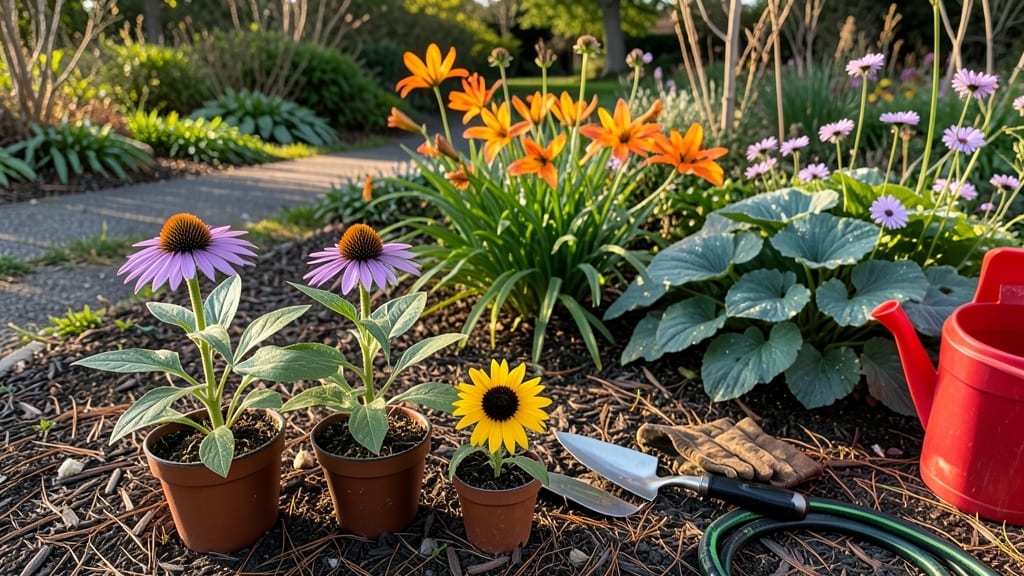
Planting flowers in Pittsburgh at the right time means the difference between a garden bursting with color and one struggling against late frosts.
Pittsburgh’s unpredictable spring weather can turn a beautiful flower garden into a frost-damaged disappointment—but timing your plantings right ensures vibrant blooms all season long.
With Zone 6B’s last frost typically arriving between April 15 and May 1, knowing exactly when to plant each flower type is the key to a thriving garden.
Annuals like marigolds and zinnias love the warmth, so wait until after the last frost to tuck them into the soil. Meanwhile, hardy perennials like peonies and black-eyed Susans can go in as early as March, once the ground is workable.
Bulbs, on the other hand, have their own schedule—plant them in fall for spring blooms or early spring for summer color.
In this guide, I’ll break down the best planting windows for Pittsburgh’s climate, share pro tips for protecting young plants, and recommend the top flowers that thrive here.
Whether you’re a first-time gardener or a seasoned pro, these timing tricks will help you grow a garden that’s as resilient as it is beautiful.
Pittsburgh’s last frost dates & best flower planting months by type
Pittsburgh’s Zone 6B climate means gardeners must time plantings carefully to avoid frost damage. The average last frost date falls between April 15 and May 1, but temperatures can fluctuate wildly.
For hardy perennials like peonies, planting in early spring (March) gives roots time to establish before summer heat arrives. Meanwhile, tender annuals like zinnias and impatiens need to wait until after the last frost to thrive.
Soil temperature plays a crucial role too—most flowers need soil to reach at least 50°F (10°C) before planting.
In Pittsburgh, this typically happens by mid-April, but cooler microclimates near the Allegheny River may delay warming by 1-2 weeks. Fall planting is also viable for frost-hardy flowers like chrysanthemums, which can be planted as late as September 15 for a late-season burst of color.
Key frost dates to remember:
- Last frost: April 15–May 1
- First frost: October 15–October 30
- Frost-free season: 165 days
Below is a planting timeline for Pittsburgh’s most popular flowers, organized by type. This summary-table breaks down the best months to plant annuals, perennials, bulbs, and tender flowers, along with soil temperature requirements and frost sensitivity levels.
| Flower Type | Best Planting Months | Soil Temp Requirement | Frost Sensitivity | Notes |
|---|---|---|---|---|
| Perennials (e.g., Peonies, Coneflowers) | March–April (spring) | 40–50°F (4–10°C) | Low | Plant early for root establishment |
| Annuals (e.g., Zinnias, Marigolds) | May 1–June 1 (after last frost) | 55–65°F (13–18°C) | High | Start indoors 6–8 weeks before last frost |
| Bulbs (e.g., Tulips, Daffodils) | September–October (fall) or March (spring) | 45–55°F (7–13°C) | Medium | Fall planting preferred for spring blooms |
| Tender Flowers (e.g., Petunias, Impatiens) | May 15–June 1 (after last frost) | 60–70°F (16–21°C) | Very High | Use row covers for early planting |
| Heat-Lovers (e.g., Sunflowers, Lantana) | April 30–May 15 (after frost) | 65–75°F (18–24°C) | Low | Thrive in Pittsburgh’s summer heat |
For perennials like peonies, early spring planting (March) is ideal because it allows roots to establish before summer’s intense heat. These hardy plants can even handle light frosts, making them a low-risk choice for Pittsburgh gardeners.
In contrast, annuals like zinnias need warmer soil and air temperatures, so waiting until after May 1 ensures they don’t succumb to late frosts.
Bulbs like tulips and daffodils are unique—they should be planted in fall (September–October) for spring blooms, but you can also plant them in March if you miss the fall window.
The key is ensuring the soil is cool but not frozen, which gives bulbs time to root before winter dormancy. Fall planting is especially critical for tulips, as it mimics their natural growing cycle.
Tender flowers such as petunias and impatiens are the most frost-sensitive and should only be planted after May 15, when the risk of frost has nearly vanished. If you’re eager to get a head start, consider using <
How to adjust planting timing for Pittsburgh’s microclimates & frost risks
Pittsburgh’s varied landscapes create unique microclimates that can shift planting windows by weeks. Urban areas like the North Side often warm up faster than river valleys near the Monongahela, where cold air pools. Even within your backyard, south-facing slopes may be frost-free while low-lying spots stay icy until late spring.
Understanding these differences lets you plant delicate flowers like impatiens or petunias weeks earlier in warmer zones.
Start by identifying your specific microclimate zone. Urban heat islands can push last frost dates 1-2 weeks earlier than rural areas. Use a minimum thermometer to track nighttime lows—if temperatures stay above 32°F for 5 consecutive nights, it’s safe to plant tender annuals.
For cooler pockets, delay until May 10 or use frost protection methods.
⚠️ callout-warning ⚠️
🌡️ Pittsburgh’s Hidden Frost Traps
Low spots near the Allegheny River can stay 5°F colder than nearby hills. Urban canyons (tall buildings) create micro-frost pockets where cold air settles. North-facing walls delay warming by 10-14 days compared to south exposures. Always plant heat-loving flowers like geraniums on south slopes first!
Extend your planting season with row covers (like Reemay fabric) or cold frames for tender perennials like dahlias. These tools can add 2-4 weeks of growing time by trapping 5-10°F of heat.
For container gardens on patios or balconies, use black plastic mulch under pots—it warms soil 10°F faster than bare ground. Even straw mulch (2-3 inches thick) insulates roots during late spring frosts.
Protect delicate flowers like impatiens or petunias with floating row covers or cloche bells when nighttime temps dip below 40°F. Remove covers during the day to prevent heat stress.
For bulbs like tulips, plant them 6-8 weeks before the first hard frost (usually October 15) to establish roots before winter. In urban microclimates, you might even squeeze in a second planting of cosmos or zinnias in early June!
Monitor local frost alerts from the National Weather Service and adjust your schedule accordingly. If a late frost is forecasted after your planting, use burlap sacks or old blankets to shield young plants.
Remember, Pittsburgh’s first frost typically arrives October 15, giving you a 165-day growing season—plan your fall plantings (like pansies or kale) by September 1 to maximize blooms before winter.
Test your soil’s readiness with a soil thermometer—most flowers need at least 50°F soil temps to thrive. In cooler microclimates, wait until soil reaches 55°F before planting warm-season flowers like marigolds.
For container growers, use heat mats under pots to jumpstart growth in chilly spots. With these adjustments, you’ll turn Pittsburgh’s unpredictable climate into a longer, more productive flowering season!