
Trees
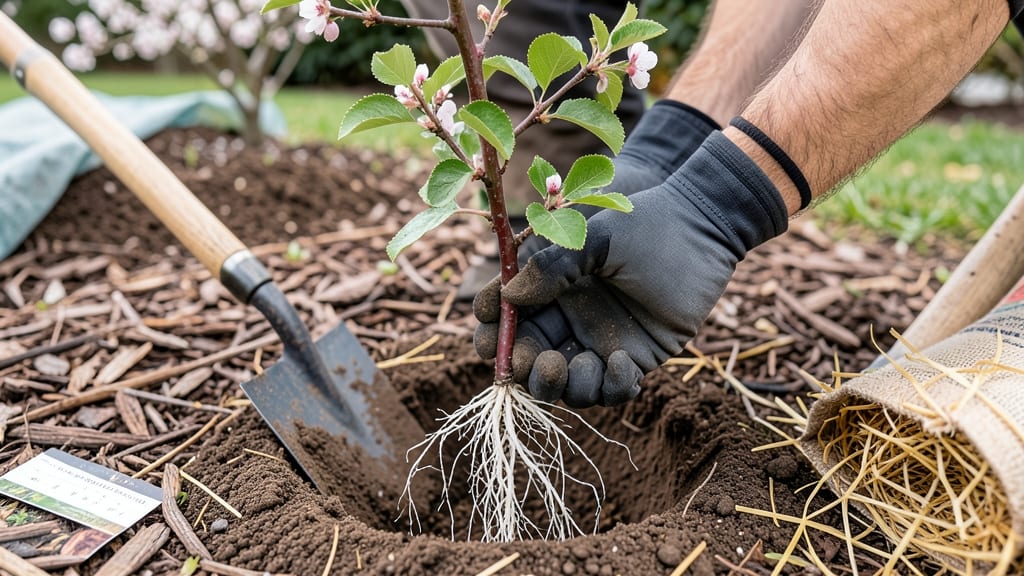
Planting apple trees in Iowa at the right time means the difference between a thriving 🍎 orchard and a struggling sapling — and the window is narrower than you might think.
Iowa’s USDA Zones 5a/5b demand precision: plant too early, and your tree risks frost damage before roots take hold; too late, and it won’t establish before winter sets in. The ideal timing depends on whether you’re using bare-root or container-grown trees, and even your microclimate plays a role.
In this guide, I’ll break down the exact frost-free windows for Zone 5a (April–May) and Zone 5b (March–April), plus how to adjust for soil temperature, local frost dates, and whether fall planting is ever a good idea in Iowa.
You’ll also learn how to prep your soil, choose the right rootstock for your climate, and avoid the three biggest mistakes I’ve seen new growers make — mistakes that can set your apple tree back by years.
Optimal planting windows for Iowa apple trees by USDA Zone 5a/5b
Iowa’s USDA Zones 5a/5b demand precision when planting apple trees—timing directly impacts survival rates. In Zone 5a (colder), aim for April 15–May 15 when soil temperatures hit 45°F+. Zone 5b gardeners have a slightly earlier window: March 20–April 30, as milder winters allow earlier thawing.
These windows align with Iowa’s average last-frost dates (April 15 for most areas), but verify your microclimate using NOAA’s Frost/Freeze Data tool. For example, Des Moines typically sees its last frost by April 10, while Dubuque may wait until April 25.
Soil temperature is more critical than air temperature. Use a soil thermometer to confirm 45°F+ at 4-inch depth—this ensures roots can initiate growth without frost damage. In colder pockets, wait until May 1 to avoid late-spring freezes.
Here’s how bare-root vs. containerized trees change your timeline:
Bare-root trees must be planted immediately after purchase—their roots dry out within 24–48 hours. Containerized trees offer flexibility but require soil prep 2–3 weeks early to avoid compacted roots. For both types, amend clay soils with compost or sand to improve drainage.
If you miss the spring window, fall planting (September–October) is a viable backup for containerized trees. Aim for 6–8 weeks before first frost—typically September 15–October 15 in Zone 5a/5b. Fall-planted trees focus on root establishment rather than top growth, giving them a head start in spring.
Local microclimates can shift your timeline by 1–2 weeks. Urban areas with heat islands may thaw earlier, while river valleys (e.g., near the Mississippi) can experience delayed frosts. Check 3 years of NOAA frost data for your county to account for unpredictable patterns.
Pro tip: Plant cold-hardy varieties
How to adjust planting for Iowa’s microclimates and soil conditions
Iowa’s diverse microclimates—from urban heat islands to river valleys—can shift your apple tree’s ideal planting window by weeks. In cities like Des Moines, summer heat can push planting back, while Mississippi River valleys stay cooler longer.
Always check your local frost dates using NOAA’s Frost/Freeze Forecast tool for precise timing.
Clay-heavy soils, common across central and southern Iowa, drain poorly and risk root rot. Amend with compost or sand to improve drainage before planting. For urban gardens, raised beds solve compaction issues while keeping roots warm in winter.
Test your soil’s pH (6.0-7.0 ideal) and adjust with lime or sulfur if needed.
🌱 Iowa Microclimate Adjustments for Apple Trees
Plant 1-2 weeks later than rural areas
Can plant 2 weeks earlier than surrounding areas
Amend with 30% compost before planting
Use row covers for 4-6 weeks after planting
To extend your planting window, use row covers after planting in late May or early June. These protect young trees from late frosts while allowing sunlight through. For fall planting (September-October), choose cold-hardy rootstocks like Malling 9 or Antonovka—they establish roots faster in cooler soils.
Mulch heavily with wood chips or straw to insulate roots during Iowa’s winter temperature swings. Keep mulch 3-4 inches deep but avoid touching the trunk.
In river valley microclimates, where springs arrive earlier, you can plant 2 weeks before the general zone recommendation—just monitor soil temperatures with a soil thermometer.
For late-season planting (after May 15), conduct a quick risk assessment: ☑️ Soil temp > 45°F at 4" depth ☑️ 6+ weeks until first frost ☑️ Well-draining soil (no standing water) If all checks pass, proceed—but water deeply 2x weekly until roots establish.
In Zone 5a (northern Iowa), prioritize dwarf varieties like ‘Haralson’ or ‘Zestar!’ series—they mature faster and handle shorter seasons better. For Zone 5b, standard-sized trees like ‘Golden Delicious’ thrive with proper winter protection (wrap trunk with tree guard).