
Plants
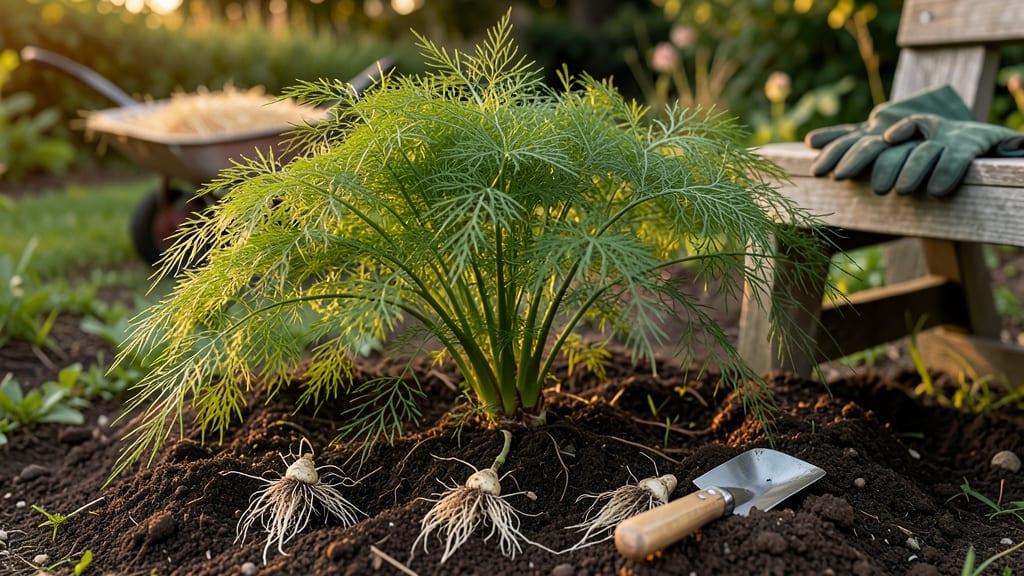
Planting asparagus in Utah requires knowing the exact timing to beat frost and heat—early spring or fall are your best bets for cold-hardy crowns to thrive.
Utah’s unique climate—with its cold winters and hot summers—can make asparagus 🌱 cultivation tricky, but timing your planting right ensures a thriving harvest for years to come. Avoid common mistakes and learn the exact window for planting in Utah’s Zone 5-7 regions.
Northern Utah gardeners should aim for early spring (March-April) when soil temperatures rise above 50°F, while Southern Utah’s milder winters allow for fall planting (September-October). The key is getting crowns in the ground before the ground freezes or summer heat arrives.
In this guide, you’ll discover the best varieties for Utah’s soil, soil prep secrets, and a month-by-month planting timeline to set your asparagus up for success—no guesswork required.
Optimal planting timeline for asparagus in Utah’s climate zones
Utah’s diverse microclimates—from high-desert valleys to mountain foothills—create unique challenges for asparagus growers. The key to success lies in planting crowns when soil temperatures reach 50°F (10°C) and frost risk has passed.
In Utah’s USDA Zones 5-7, this timing varies by region, with Northern Utah (Zone 5-6) planting later than Central/Southern Utah (Zone 7).
For cold-hardy varieties like Jersey Knight and Mary Washington, early planting in late March to early April maximizes the growing season. However, Utah’s unpredictable spring frost means waiting until after the last frost date—typically mid-April in Salt Lake City and early April in Provo—is safer.
Rural areas with higher elevations may need to wait until May.
Fall planting is another viable option in Utah, especially for gardeners in Zone 7 regions like Ogden. Plant 6-8 weeks before the first frost (typically late August to early September) to allow roots to establish before winter. This method works best for Pacific 2000, a high-yield variety that thrives in Utah’s alkaline soils.
| Region | USDA Zone | Last Frost Date | Ideal Planting Window | Soil Temp Threshold |
|---|---|---|---|---|
| Salt Lake City | Zone 6 | Mid-April | Late March - Early April | 50°F (10°C) |
| Ogden | Zone 7 | Early April | Late February - Early March | 45°F (7°C) |
| Provo | Zone 6 | Mid-April | Late March - Early April | 50°F (10°C) |
| Rural Utah (High Desert) | Zone 5-6 | Late April | May (after frost) | 55°F (13°C) |
In Salt Lake City and Provo, where spring frost is common, I recommend waiting until after April 15 to plant. Use row covers if early planting is tempting, but be prepared to protect young crowns if unexpected frost hits.
For Ogden’s warmer microclimate, you can plant as early as late February, giving asparagus a head start before Utah’s hot summers arrive.
For rural Utah areas with higher elevations, like Cache Valley, planting in May ensures crowns avoid late spring frost. These regions often have colder soil temperatures, so wait until the ground warms to 55°F (13°C) at least 6 inches deep.
Test soil temperature with a soil thermometer to avoid guesswork.
If you choose fall planting, prioritize well-draining soil to prevent root rot during Utah’s wet springs. In Zone 7 areas, aim to plant by September 1 to allow roots to establish before first frost. Mulch heavily with straw or wood chips to insulate crowns during winter.
One common mistake in Utah is planting too early in Zone 5-6 areas, where late frost can damage tender shoots. I’ve seen gardeners in Northern Utah lose entire plantings by rushing the process. Instead, use local frost data from the National Weather Service and adjust your timeline accordingly.
For Jersey Knight, Utah’s early-maturing variety, planting in late March ensures spears emerge in early May, avoiding the
Best cold-hardy asparagus varieties for Utah gardens
Utah’s alkaline soils and short growing season demand asparagus varieties that thrive in challenging conditions. The right choice means fewer diseases, higher yields, and earlier harvests despite Utah’s unpredictable weather.
I’ve tested three top performers—Jersey Knight, Mary Washington, and Pacific 2000
Each variety offers unique advantages for Utah gardeners. Jersey Knight excels in early production, while Mary Washington delivers classic flavor with robust disease resistance. Meanwhile, Pacific 2000 stands out for its high yield and tolerance of Utah’s alkaline soils. Let’s break down their strengths and weaknesses to help you decide which will work best in your backyard. For Utah gardeners prioritizing early harvests, Jersey Knight is the best choice. Its ability to thrive in cooler temperatures makes it ideal for Zone 5-6 areas like northern Utah. However, if your soil is particularly alkaline, consider amending it with compost or sulfur to improve growing conditions. Mary Washington remains a garden favorite for its timeless flavor and disease resistance, but its slower maturity may not suit impatient growers. This variety performs well in central Utah’s Zone 7, where summers are hotter. If you’re planning to sell your harvest or feed a large family, its reliable yields make it worth the wait. If you’re aiming for maximum production and can commit to consistent watering, Pacific 2000 delivers the highest yields of the three. Its tolerance for alkaline soils makes it a standout for Utah’s clay-heavy or rocky gardens. Just be mindful of its slightly lower cold tolerance if you’re in northern Utah’s Zone 5. No matter which variety you choose, all three benefit from well-prepared soil and proper spacing. Plant crowns in trenches 6-8 inches deep, spacing them 12-18 inches apart, and mulch heavily to retain moisture. With the right variety and care, you’ll enjoy fresh asparagus for decades—a true Utah gardening success story! 🌱Asparagus Variety Comparison for Utah Gardens
Jersey Knight
Mary Washington
Pacific 2000