
Plants
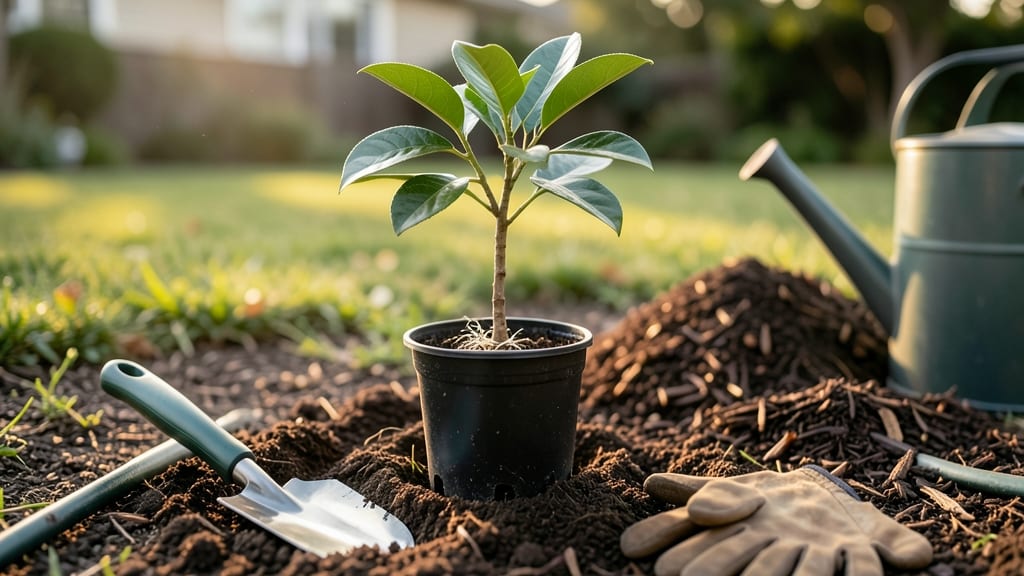
To plant avocado in soil at the right time means waiting until your region’s last frost has passed and soil temperatures hit 65°F or warmer—any earlier risks killing tender roots before they establish.
Struggling to grow an avocado tree from seed? Timing is everything—plant too early and risk frost damage, too late and your seedling may never thrive. I’ve watched three avocado seeds rot in cold soil, and I’m here to tell you: patience pays off.
Most gardeners in USDA Zones 9–11 can start planting in late spring, but if you’re in cooler climates (like Zone 8), wait until early summer when the ground stays reliably above 60°F at night.
Below, I’ll break down the exact soil conditions to check, how to tell when your seedling is ready for transplant, and the one mistake that stunts growth before it even starts.
Best planting times by climate Zone: avocado seed germination calendar
Avocado seeds thrive when planted during warm soil conditions and frost-free periods. Since avocados are tropical/subtropical plants, timing varies dramatically between USDA Zones 9-11 (year-round planting) and Zones 7-8 (spring-only windows). The key threshold? Soil temperatures above 65°F—any cooler, and germination slows or fails.
For temperate climates (Zones 7-8), your planting window is late spring to early summer (May-June), after the last frost date.
In subtropical zones (Zones 9-10), you can plant year-round, but spring and fall offer ideal conditions. Tropical zones (Zone 11) allow planting anytime, but avoid monsoon seasons when excess rain can drown seeds.
Here’s how to calculate your perfect planting window: Subtract your average last frost date from your first 65°F soil temperature (use a soil thermometer). For example, if your last frost is March 15 and soil hits 65°F on April 10, plant between April 20–May 10 for optimal success.
🌱
| Climate Zone | Ideal Planting Window | Soil Temp Threshold | Frost Risk | Notes |
|---|---|---|---|---|
| Tropical (Zone 11) | Year-round (avoid monsoon) | 65°F+ (always) | None | Fastest germination in dry season (Dec-Apr). |
| Subtropical (Zones 9-10) | Spring (Mar-May) & Fall (Sep-Nov) | 65°F+ (Mar/Apr & Sep/Oct) | Light frost risk in winter | Spring planting yields summer fruit in 3-4 years. |
| Temperate (Zones 7-8) | Late Spring (May-June) | 70°F+ (May-June) | High (plant after last frost) | Use black plastic mulch to warm soil faster. |
| Container Growing (All Zones) | Year-round (indoor/outdoor) | 65°F+ (use grow lights) | None (protected) | Move containers outdoors in summer for faster growth. |
In temperate zones (Zones 7-8), I recommend starting seeds indoors 8–10 weeks before your last frost date. Use a heat mat to maintain 75–85°F soil temps—this mimics tropical conditions and speeds up germination from 4–8 weeks to just 2–4 weeks.
Pro tip: Place your seedling near a south-facing window or under grow lights for 12–14 hours of light daily.
For subtropical climates (Zones 9-10), fall planting (September–November) gives seedlings a head start before winter rains. If you plant in spring (March–May), expect fruit in 3–4 years instead of 5–6.
In tropical zones (Zone 11), avoid planting during June–September (monsoon season)—excess moisture causes root rot and fungal diseases.
One common mistake? Planting too early in temperate zones and risking frost damage. Always monitor your local frost-free date (check the National Weather Service) and wait until nighttime temps stay above 50°F consistently.
If you’re unsure, err on the side of planting 2–3 weeks later—avocado seedlings are resilient and will catch up quickly in warm soil.
🌡️
To test soil readiness, insert a soil thermometer 2 inches deep. If it reads below 65°F, delay planting. In cooler climates, use black plastic mulch or straw bales to raise soil temperatures by 5–10°F. For container growing, ensure
Signs your avocado seed is ready for soil (not just ripe for planting)
Planting an avocado seed too soon can stunt its growth, while waiting too long risks overcrowding in your glass of water. The key is watching for three critical signs that signal your seedling is ready to graduate from its water-based nursery to soil.
First, focus on root length—healthy roots should reach at least 4 inches before transplanting, indicating strong development below the surface.
Next, examine the stem thickness. A mature avocado seedling will have a thick, sturdy stem (about the diameter of a pencil) that can support itself without toppling. Thin stems often struggle to anchor in soil and may snap under their own weight.
Finally, check for new leaf growth—your seedling should have 2-3 sets of mature leaves, not just the initial sprout.
🌱 Step-by-Step Transplant Checklist
- Root Length: Measure roots—4+ inches means it’s ready. Shorter roots need more time in water.
- Stem Strength: Gently press the stem—it should bend slightly but not break. Weak stems need 1-2 more weeks.
- Leaf Health: Look for dark green, glossy leaves with visible veins. Yellow or wilted leaves signal stress.
- Soil Prep: Use a well-draining mix (60% potting soil, 30% perlite, 10% compost) to avoid root rot.
- Pot Size: Choose a 6-inch pot with drainage holes—avocado roots hate soggy conditions.
- Water Test: Let roots soak in water for 10 minutes before planting to prevent transplant shock.
One common mistake is assuming a seedling is ready just because it’s sprouted leaves. Overwatering in the glass can actually weaken roots, making them more prone to rot in soil. To test readiness, lift the seedling gently—if roots clump together tightly, they’re not yet soil-ready.
Healthy roots should spread out and feel firm but flexible, like a damp sponge.
Timing also depends on your climate zone. In USDA Zones 9-11, transplant outdoors after the last frost when soil temps hit 65°F+. For Zones 7-8, wait until mid-spring to avoid nighttime chills.
If you’re unsure, use a soil thermometer—avocado roots thrive in warm soil (never below 55°F).
After transplanting, place your seedling in bright, indirect light for the first week to reduce stress. Avoid direct sun initially, as it can scorch tender new leaves. Water sparingly—only when the top inch of soil feels dry.
Overwatering at this stage is the #1 killer of young avocado seedlings, so let the soil dry slightly between waterings.
Remember, patience is key. A seedling with 4-inch roots and a pencil-thick stem may take 8-12 weeks in water, but rushing the process often leads to failure. When in doubt, wait another week—your avocado tree will thank you with stronger growth and bigger fruit down the line. 🌿