
Plants
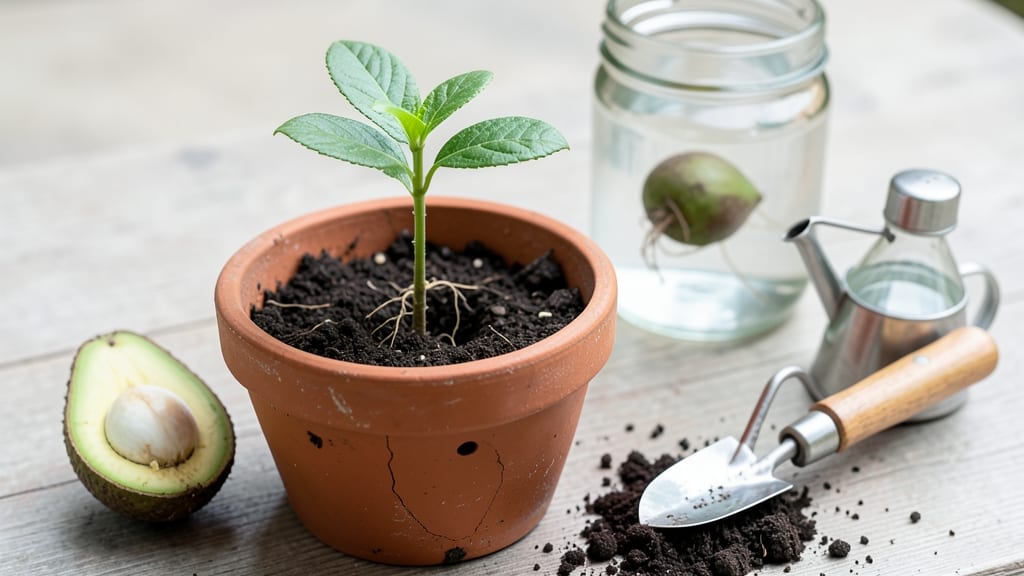
To plant an avocado pit in soil at the right time means the difference between a thriving 🥑 tree and a sad, rotting pit.
Did you know that planting an avocado pit can yield a thriving houseplant—or even a fruit-bearing tree—if done at the right time? Timing is everything when it comes to avocado pit germination, and small mistakes can mean the difference between a lush sapling and a moldy pit.
If you're in a warmer climate, like Zone 10 or above, you can start outdoors in early spring when soil temperatures hit 65°F or higher. But if you're in cooler areas, indoor planting in late winter is your best bet—just make sure your pit stays warm and moist.
Below, I’ll walk you through the exact seasonal windows for planting, how to prep your pit for maximum success, and the critical milestones to watch for—so you can avoid common pitfalls and give your avocado the best shot at life.
Best time of year to plant avocado pits for maximum germination success
Timing your avocado pit planting is the secret to avoiding rotten pits and achieving a 90% germination rate. Avocado seeds thrive when soil temperatures stay between 70°F and 85°F—ideal conditions that align with spring planting in most climates.
Planting too early risks cold soil, while waiting too long may delay root development. The best window? Late March to early May for outdoor planting in USDA Zones 9-11, or anytime indoors with grow lights.
For cooler regions (Zones 7-8), start pits indoors in February to give seedlings a head start before transplanting after the last frost. Fall planting is risky—pits may rot in damp, cooling soil.
The key is warmth and consistency, not just calendar dates. Even in tropical zones, avoid planting during monsoon season when excess moisture can suffocate young roots.
Here’s why timing matters: Avocado pits need 4-8 weeks to sprout roots before transplanting. Planting in spring ensures roots establish before summer heat stress, while fall planting often leads to weak, stunted growth. Indoor germination buys flexibility—you can start anytime, but outdoor planting must sync with your local frost-free date.
Regional differences play a huge role. In California’s coastal zones, mild winters allow year-round planting, but inland areas should wait until April. Meanwhile, Florida gardeners can plant outdoors in January, leveraging warm soil. Always check 7-day soil forecasts—consistent warmth above 65°F is non-negotiable for germination.
Pro tip: Use a soil thermometer to confirm 68°F+ soil temps before planting. Cold soil slows root growth by 50%, turning your 4-week timeline into 8.
Even if your local last frost date has passed, soil may still be too cool. Warmth accelerates germination, but overheating (above 90°F) can scorch delicate roots.
A common mistake? Planting pits directly in gardens without pre-sprouting. Pits buried in cold soil often rot before sprouting. Instead, start with the toothpick method indoors (takes 2-4 weeks for roots to appear), then transplant when roots reach 2-3 inches.
This two-step process maximizes success, especially in cooler climates.
🌱
| Planting Method | Best Time | Soil Temp Requirement | Germination Timeline | Key Consideration |
|---|---|---|---|---|
| Indoor (Toothpick Method) | Anytime (year-round) | 68°F+ (warm water) | 2-4 weeks | Flexible; transplant later |
| Outdoor (Direct Planting) | Late March–Early May | 70°F–85°F | 4-8 weeks | Avoid frost; use black plastic mulch |
| Greenhouse (Controlled) | February–April | 75°F+ (consistent) | 3-5 weeks | Humidity control prevents rot |
| Fall Planting (Risky) | September–October | 60°F+ (minimum) | 6-10 weeks | Only in Zone 10+; use row covers |
Science backs up the spring advantage: Avocado roots grow fastest when soil temperatures hover around 75°F. Below 60°F, root cells stop dividing, halting germination. That’s why indoor pre-sprouting is a game-changer for cooler climates—it lets you bypass slow soil conditions entirely.
Once roots appear, transplant outdoors only after nighttime temps stay above 55°F.
Regional tweaks matter. In Zone 9 (e.g., Arizona), plant outdoors in January to avoid summer’s 100°F+ soil, which stresses young roots. Meanwhile, Zone 5 gardeners
Step-by-step avocado pit planting calendar with critical deadlines
Timing your avocado pit planting correctly is the secret to beating the 4-8 week germination odds in your favor. Whether you're growing indoors or outdoors, missing key deadlines can mean the difference between a healthy sapling and a failed experiment.
I’ve mapped out the perfect schedule to maximize your success, tailored for both indoor houseplant and outdoor tree goals.
Start by prepping your avocado pit in January or February—this gives roots a head start before soil planting. The critical window for transplanting into soil opens in March for indoor growers or April-May for outdoor plantings, depending on your USDA zone.
Miss these deadlines, and you risk stunted growth or even rot.
- 1 Pre-soak avocado pit in water (change daily) for 2-6 weeks starting in January-February. Roots should reach 2-3 inches before planting.
- 2 Prepare well-draining soil mix (50% potting soil, 50% perlite/sand). Use a 6-inch pot for indoor growth or outdoor garden bed in USDA Zones 9-11.
- 3 Plant in soil in March (indoors) or April-May (outdoors). Bury 1/3 of pit with roots facing down. Water lightly to settle soil.
- 4 Place in bright indirect light (south-facing window) and maintain 70-80°F soil temps. Avoid direct sun for first 2 weeks to prevent stress.
- 5 Transplant outdoors in June-July (after last frost) if growing as a tree. Harden off by moving pot outside gradually for 1 week before final planting.
If you’re in a cooler climate (Zones 7-8), delay outdoor planting until late May to avoid frost damage. Greenhouse growers can start soil planting as early as February, but ensure consistent warmth (75°F+).
The key is patience—avocado pits take 6-8 weeks to sprout, so don’t rush the process.
Once your sprout reaches 6 inches, it’s time to repot into a larger container (8-10 inches) or plant in the ground. For outdoor trees, space saplings 15-20 feet apart to allow for mature growth.
Prune leggy stems to encourage bushier growth, and fertilize lightly with balanced 10-10-10 in spring and fall.
Remember: Consistency is key. Keep soil moist but not soggy, and avoid overwatering—root rot is the #1 killer of young avocado plants. With this timeline, you’ll have a healthy avocado sapling in just a few months, ready to thrive as a houseplant or future fruit tree!