
Plants
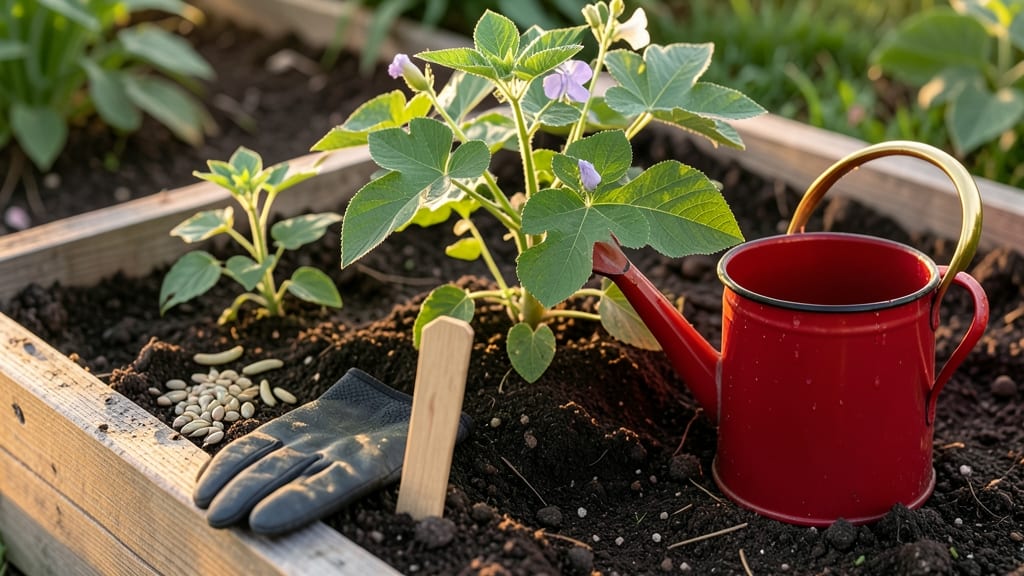
Planting beans in Kentucky after your last frost date—typically April 15—is the key to a bountiful harvest, but timing can make or break your garden.
Picture this: you’ve prepped your soil, chosen your favorite 🌱 varieties, and even marked your rows—only to watch frost nip your seedlings or summer heat scorch your pods before they mature.
Kentucky’s USDA Zones 6-7 give you a narrow but sweet window, and missing it means fewer beans on your plate.
In this guide, I’ll break down the exact frost-free timeline for Lexington, Louisville, and beyond, plus soil temperature tricks to avoid common mistakes. You’ll also discover which bean varieties thrive in Kentucky’s short season and how to stretch your harvest with simple succession planting.
Ready to grow more beans with less guesswork? Let’s get started with the perfect planting schedule for your zone.
Kentucky bean planting timeline by USDA Zone (6 vs. 7)
Kentucky’s USDA Zones 6 and 7 offer distinct planting windows for beans, thanks to their 10°F temperature difference. In Zone 6, where average last frost dates hover around April 15, you’ll need to wait longer than Zone 7’s March 20-30 window.
But don’t rush—beans thrive when soil temperatures hit 60°F or warmer, which typically aligns with these frost-free averages.
For bush beans, which mature faster (50-60 days), aim for early April in Zone 7 or mid-April in Zone 6. Pole beans, needing 60-90 days, benefit from later plantings in late April to early May to stretch harvests into September.
NOAA data shows Zone 7’s longer growing season (avg. 180 frost-free days) allows for two planting batches, while Zone 6’s 160 days limits you to one.
In Zone 6, where Lexington and Bowling Green fall, start bush beans in late April when soil warms to 65°F. Use row covers if planting earlier to protect from late frosts. For pole beans, wait until mid-May to avoid flower blight from cool nights.
Zone 7’s earlier frost-free dates let you plant bush beans as early as March 25, but monitor soil temps—beans won’t germinate below 50°F.
For succession planting, sow bush beans every 2 weeks from April to June in Zone 6, or March to May in Zone 7. This ensures a continuous harvest until first frost.
In urban heat islands (like Louisville), you might push planting 2 weeks earlier—just check microclimate frost dates via UK Extension’s frost calculator.
Never plant beans where legumes grew last year—this prevents soil-borne diseases. Instead, rotate with corn, tomatoes, or brassicas.
Amend soil with compost to reach pH 6.0-7.0, and avoid fresh manure, which can burn tender roots. Kentucky Wonder pole beans thrive in Zone 7’s heat but may need shade cloth in July to prevent pod shattering.
Watch for bean beetles in Zone 6’s warmer microclimates—handpick adults and use row covers early in the season. In Zone 7, powdery mildew is more common due to high humidity after June rains.
Space bush beans 3-4 inches apart and pole beans 6 inches apart on trellises to improve airflow and reduce disease risk.
Harvest bush beans when pods are 4-6 inches long and pole beans at 6-8 inches. In Zone 6, expect harvests from July to early September, while Zone 7 gardens can extend this to mid-October.
Save seeds from disease-free plants by letting 5-10 pods mature fully on the vine before drying.
If late-season heat (above 90°F) stress your plants, provide afternoon shade and mulch heavily to retain moisture. In Zone 7, Scarlet Runner beans handle heat better than Blue Lake varieties, making them ideal for August plantings.
Always water deeply in the morning to prevent fungal spores from splashing onto leaves.
Best beans to grow in Kentucky and their planting windows
Kentucky’s USDA Zones 6-7 offer ideal conditions for growing beans, but selecting the right varieties and planting at the perfect time ensures a bountiful harvest. With hot summers and short growing seasons, heat-tolerant varieties thrive best.
Here are the top 5 bean varieties that perform exceptionally well in Kentucky gardens, along with their ideal planting windows and yield expectations.
For Kentucky gardeners, timing is critical. Most beans need warm soil (60°F+) and frost-free conditions. The last frost date in Kentucky typically falls between April 1 (Zone 6) and March 20 (Zone 7), with planting windows extending through mid-June for late-season varieties.
Below, you’ll find the best options for both bush beans and pole beans, including heat-tolerant choices for Zone 7’s intense summers.
Kentucky Wonder is a classic pole bean variety that thrives in Kentucky’s climate. Plant it between mid-April and mid-May for a late-summer harvest. Its 55-65 day maturity makes it perfect for extending your garden’s productivity. For bush beans, Blue Lake is a top pick, offering high heat tolerance and a quick 50-55 day harvest. Plant it from late April through early June to avoid the hottest summer months.
Scarlet Runner beans are stunning and productive, but they need warmer soil and longer growing seasons. Plant them between May 1 and June 15 for a fall harvest. These beans are heat-tolerant and perfect for Zone 7’s intense summers. If you’re short on space, Roma II bush beans are an excellent choice, maturing in just 45-50 days. Plant them from late April to mid-May for an early harvest.
For gardeners in Zone 7, Contender pole beans are a great option due to their heat tolerance