
Plants
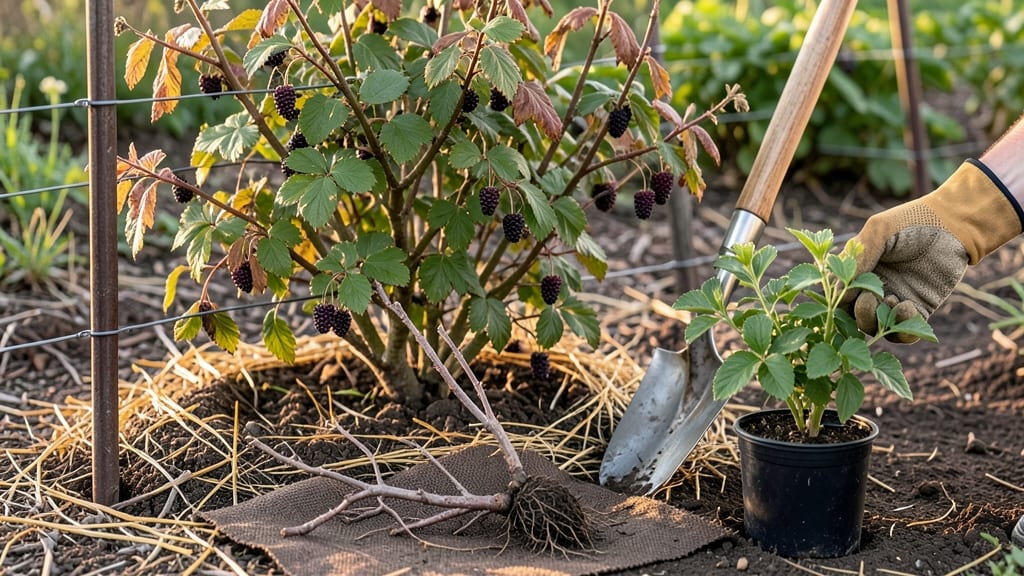
Planting blackberries in Ohio at the right time ensures strong roots, faster fruiting, and fewer winter struggles—aim for early spring or late winter for bare-root canes, or right after your last frost for potted plants.
Ohio’s unpredictable climate can make or break your 🍇 bushes—planting at the wrong time means stunted growth, poor yields, or even winter damage. Timing isn’t just about months; it’s about soil temperatures, frost risks, and variety selection.
If you’ve ever watched a thriving blackberry patch in your neighbor’s yard and wondered why yours is still struggling, the answer often lies in when—and how—you planted. Ohio’s USDA Zone 6a means you’ve got a narrow window to get it right.
Below, I’ll break down the best months for planting in Ohio, how to prep your soil, and whether to go for bare-root canes or potted plants—plus the one trick that saves blackberries from late frosts.
Best months to plant blackberries in Ohio: climate-specific timeline
Ohio’s USDA Zones 5-7 create unique challenges for blackberry growers. Unlike warmer climates, we can’t just plant when the weather feels right—soil temperatures and frost dates dictate success. Bare-root canes need 40-50°F soil to root, while potted plants thrive after the last frost.
Timing wrong risks winter kill or poor establishment.
Most Ohio gardeners plant in early spring (March-April) or late fall (October-November), but your exact window depends on where you live. Southern Ohio’s milder winters allow slightly earlier planting, while northern areas must wait until after frost danger passes. Check your local frost dates—they’re your planting calendar.
🌱
| Region | Best Planting Window | Soil Temp Threshold | Key Consideration |
|---|---|---|---|
| Northern Ohio (Zones 5) | Late April - Early May (bare-root) / Early October (potted) | 50°F minimum | Wait for last frost (avg. April 15) |
| Central Ohio (Zones 6) | Early April - Mid-May (bare-root) / Late September (potted) | 45°F minimum | Soil warms faster; plant when buds swell |
| Southern Ohio (Zones 7) | March - Early April (bare-root) / October (potted) | 40°F minimum | Milder winters allow earlier planting |
| All Regions (Fall) | 6-8 weeks before first frost (Oct-Nov) | 50°F minimum | Plant potted canes; avoid bare-root |
For spring planting, aim to get canes in the ground before buds break—typically March-April for southern Ohio and April-May for northern areas. Bare-root canes establish faster in cool soil, while container-grown plants can handle warmer temps.
I always check my local Almanac frost dates (find yours at Almanac’s site) to avoid late frosts.
Fall planting works too, but only if you use potted plants (never bare-root). Plant 6-8 weeks before first frost—usually October in southern Ohio and September in northern regions. The goal is to let roots establish before winter dormancy. Mulch heavily after planting to protect roots from freeze-thaw cycles.
Ohio’s microclimates matter—even within 50 miles, frost dates can vary by 2 weeks. If you’re near a lake or river, expect slightly later frosts. Urban areas often warm up faster than rural spots.
For precise timing, I dig a soil thermometer 4 inches deep—plant when temps hit 50°F consistently.
Pro tip: Thornless varieties like ‘Natchez’ establish faster in Ohio’s climate, while traditional types need extra care. Always prune canes to 12 inches tall at planting to encourage root growth. Trellising also helps—it warms soil faster in spring, giving your blackberries a head start.
🌿
If you miss the ideal window, don’t panic—just wait for next year. But if you’re planting now, soil prep is critical. Work in compost and sulfur to lower pH (blackberries love 5.5-6.5).
And remember: Southern Ohio’s earlier start means you can get two harvests in some years, while northern growers typically get one. Timing isn’t just about when you plant—it’s about maximizing Ohio’s short growing season!
☀️
How to choose the right blackberry variety for Ohio planting success
Ohio’s humid summers and freezing winters demand blackberry varieties that thrive in USDA Zones 5-7. The wrong choice means struggling with disease pressure or poor fruit production. For example, ‘Chester’ thrives in northern Ohio’s cooler climates, while ‘Natchez’ handles southern Ohio’s heat better.
Thornless varieties like ‘Triple Crown’ are ideal for home gardens, but they may yield slightly less than thorned types. Meanwhile, disease resistance is non-negotiable—anthracnose and orange rust are common in Ohio’s wet springs. Prioritize varieties with genetic resistance to avoid costly treatments.
Your planting month also influences variety success. Early spring (March-April) favors bare-root canes, while late spring (May) works for potted plants. Below, compare top Ohio-adapted varieties by ripening season, bush vigor, and disease tolerance to match your climate and harvest goals.
For northern Ohio, prioritize ‘Chester’ or ‘Triple Crown’—both handle cooler temperatures better. In southern Ohio, ‘Natchez’ ripens earlier, avoiding late-summer heat stress. Always plant thornless varieties near walkways or patios for easier harvesting.
Ohio’s high humidity demands varieties with disease resistance. ‘Triple Crown’ stands out for its orange rust resistance, while ‘Ouachita’ thrives in wet springs. If you’re planting in May, opt for potted plants of ‘Chester’—its late ripening avoids early frost risks.
Pro tip: Pair your variety with a trellis system to improve airflow and reduce disease spread. For example, ‘Natchez’ benefits from vertical support, which also makes harvesting easier. Always mulch with straw or wood chips to retain moisture during Ohio’s hot, dry summers.