
Companion Plants
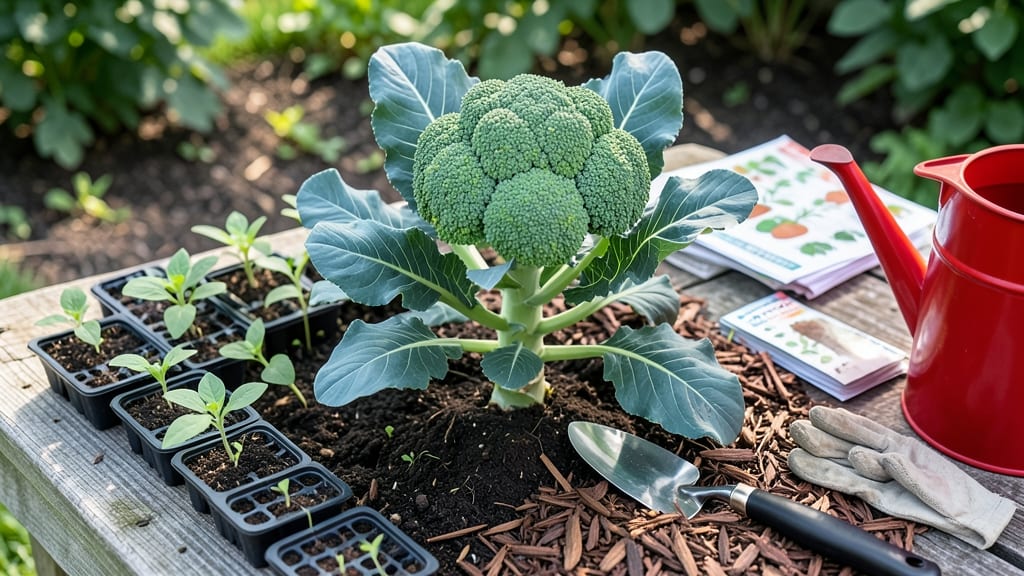
To plant broccoli in South Carolina, aim for early spring (February-March) or late summer (August-September) when soil temperatures stay cool and frost risks fade.
South Carolina’s mild winters and long growing season make it an ideal place to grow broccoli—but timing is everything to avoid bolting or frost damage. Get the exact frost-free window for USDA Zones 8a/8b to maximize your harvest.
Spring plantings should start 4-6 weeks before your last frost date (around March 15 in most areas), while fall crops need 8-10 weeks before the first frost (November 15).
Here’s how to align your schedule with South Carolina’s climate, from soil prep to succession planting for a continuous harvest.
Best planting dates for broccoli in South Carolina by USDA Zone 8a/8b
South Carolina’s USDA Zones 8a/8b offer two prime windows for growing broccoli: early spring and late summer. The key is avoiding heat stress and frost damage—both of which can ruin your harvest.
Fall planting is my top recommendation because broccoli thrives in cool temperatures (60-75°F) and matures before winter sets in.
For spring planting, start seeds indoors 4-6 weeks before your last frost date (typically mid-March for most of SC). Transplant seedlings outdoors after the soil warms to 40°F—usually by late March or early April.
However, spring broccoli faces higher risks of bolting (premature flowering) if summer heat arrives early.
Fall planting is far more reliable. Sow seeds 8-10 weeks before your first frost (around mid-November), which means starting in late August to early September. This gives plants enough time to mature before cooler weather triggers bolting.
Charleston, Columbia, and Greenville all share similar frost dates, but microclimates can shift planting by 1-2 weeks.
📅 Average Last Frost Dates by City:
- Charleston: March 15
- Columbia: March 10
- Greenville: March 5
For succession planting, sow new seeds every 2-3 weeks from late August through early October. This ensures a continuous harvest from September through December. Use shade cloth (30-50%) in late summer to protect seedlings from intense heat, which can cause bolting.
If you’re growing broccoli in containers, start seeds indoors in late January for spring or early July for a late-summer crop. Container-grown broccoli matures faster but requires daily watering and fertile potting mix. Avoid planting in full sun during summer—opt for morning sun + afternoon shade.
One common mistake is planting broccoli too early in spring. If seedlings emerge during warm spells, they’ll bolt before forming heads. To prevent this, use row covers or floating row covers to keep soil temps cool. Another tip: harden off seedlings gradually before transplanting to avoid shock.
For organic gardeners, amend soil with compost or well-rotted manure before planting. Broccoli prefers slightly acidic soil (pH 6.0-7.0). If your soil is heavy clay, mix in sand or peat moss to improve drainage. Mulch with straw or grass clippings to retain moisture and suppress weeds.
Remember, broccoli is a cool-season crop, so avoid planting when daytime temps exceed 80°F. If you miss the fall window, consider growing heat-tolerant varieties like 'Belstar' or 'Waltham 29' in early summer for a smaller harvest.
With the right timing, you can enjoy homegrown broccoli for nearly half the year in South Carolina!
How to extend your broccoli growing season in South Carolina’s climate
South Carolina’s warm winters and humid summers create unique challenges for growing broccoli. Without proper strategies, your plants may bolt prematurely or suffer from late-season frost. The key is balancing soil temperatures and protecting young plants from heat stress.
I’ve found that combining heat-tolerant varieties with protective coverings can extend your harvest window by 4-6 weeks.
First, focus on soil temperature management. Broccoli thrives when soil temps stay between 45-85°F.
In South Carolina’s Zone 8a/8b, this means avoiding planting during mid-summer heat when temps often exceed 90°F. Instead, I recommend late summer sowings (August) to catch the cooler fall temperatures before the first frost hits around mid-November.
- Use 30-40% shade cloth during peak summer months to reduce heat stress on plants
- Plant heat-tolerant varieties like 'De Cicco' or 'Calabrese' that handle temps up to 85°F
- Apply lightweight row covers when nighttime temps drop below 50°F to prevent frost damage
- Maintain consistent soil moisture (1-2 inches per week) to prevent bolting during dry spells
- Harvest side shoots after main head removal to extend production by 3-4 weeks
For spring plantings, I always use floating row covers until plants reach 6 inches tall. This protects young seedlings from late frosts that can occur as late as March 15 in most of South Carolina.
Remove covers during the day to allow pollination but replace them at night. I’ve seen this method add 2-3 weeks to my early spring harvest window.
Another game-changer is selecting the right broccoli varieties for our climate. 'De Cicco' handles heat better than most varieties and continues producing even when temps hover around 80°F.
For fall plantings, I prefer 'Calabrese' because it matures quickly (about 60 days) and resists the bolting that often occurs when days get shorter. Both varieties have given me reliable results in Zone 8a.
Don’t overlook succession planting as your secret weapon. By sowing new seeds every 2-3 weeks from August through early October, you create a staggered harvest that keeps your kitchen stocked until the first frost.
I typically make 3-4 plantings in this window, with the last batch going in by September 15 to ensure heads mature before cold sets in.
Remember that mulching plays a crucial role in temperature regulation. A 3-inch layer of straw keeps soil cooler in summer and warmer in fall, creating more stable growing conditions.
I’ve noticed my broccoli heads stay firmer and greener longer when I use this technique, especially during our humid fall months when fungal diseases can become an issue.
With these strategies, you can enjoy fresh broccoli from late spring through early winter—just in time for holiday meals! The key is staying proactive about heat protection and frost prevention while working with our unique South Carolina climate.
Your garden will thank you with bountiful, high-quality harvests all season long. 🌱