
Plants
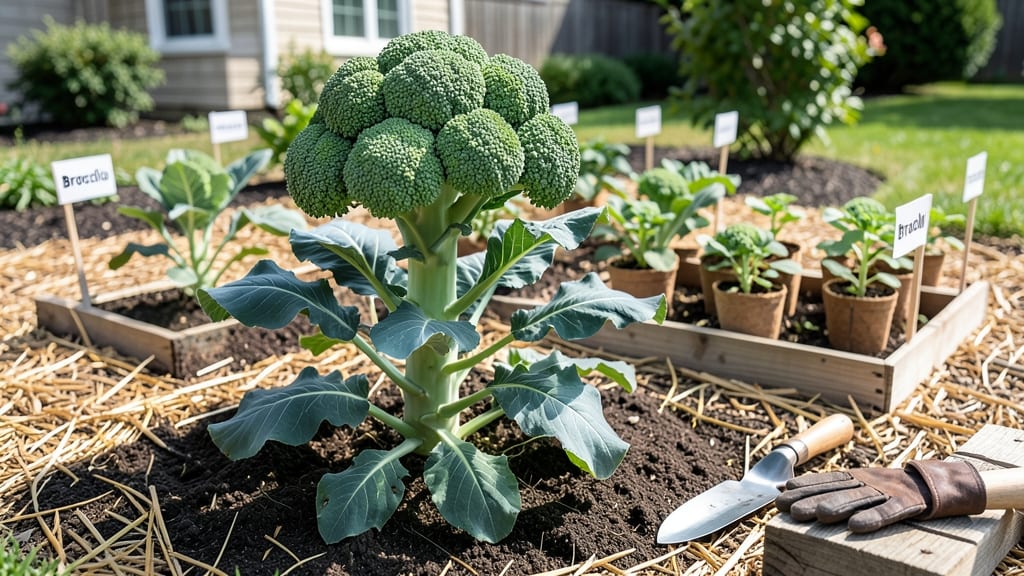
Planting broccoli in North Carolina’s fall season means timing it right to avoid bolting or frost damage—aim for late August to mid-September for the sweet spot.
North Carolina’s mild fall climate can be a gardener’s dream for 🥦—but planting too early or late risks bolting or frost damage. Timing is everything, and these frost-date tricks will help you grow head-sized broccoli all winter long.
In USDA zones 6b-8a, your local frost dates are the key to success. Coastal areas like Wilmington can plant a little later, while the Piedmont’s cooler nights mean earlier starts. I’ll break down the exact windows and how to adjust for microclimates.
You’ll also discover the 3 best broccoli varieties for NC’s climate, soil prep secrets, and watering schedules that keep your plants thriving through the first frost. Let’s get those seedlings in the ground at the perfect moment!
North Carolina fall broccoli planting calendar by frost Zone
North Carolina’s diverse climate—from the mountains of Zone 7a to the coastal plains of Zone 8b—means your broccoli planting dates should vary by 10-14 days. Getting this right prevents premature bolting (when broccoli flowers instead of forming heads) or frost damage before harvest.
Let’s break down the exact windows for each zone, including first and second plantings to stretch your harvest through winter.
Broccoli thrives in cool fall temperatures (50–70°F) but bolts when days get too warm. In NC, this means planting 60–80 days before your first frost—but timing shifts 2 weeks earlier in Zone 7a (higher elevations) versus Zone 8b (coastal).
Use these dates as your guide, then adjust ±3 days based on your microclimate (e.g., sheltered valleys vs. exposed ridges).
Pro Tip: Check the NC State Climate Office for your 30-year frost averages—they’re more reliable than generic zone maps. For example, Asheville (Zone 7a) might see frost by November 5, while Wilmington (Zone 8b) could wait until November 25. Plant accordingly!
Your first planting should go in late August to mid-September, depending on your zone. This gives broccoli 60–70 days to mature before winter slows growth. For a second harvest, plant 4–6 weeks later (late September to early October).
This staggered approach ensures you’re eating homegrown broccoli from October through February.
If you’re in Zone 7a, aim for Waltham 29—it’s the most cold-hardy variety and can tolerate light frosts (28°F) without damage. In Zone 8b, Calabrese varieties like ‘Green Magic’ thrive longer into winter but need row covers if temps dip below 30°F.
Always choose fast-maturing varieties (50–60 days) for fall plantings to avoid bolting.
For extended harvests, use black plastic mulch to warm soil in early fall or straw mulch to insulate roots in winter.
In Zone 8b, you might even get a third planting in early November for a January–February harvest, but monitor weather closely—unpredictable cold snaps can ruin tender seedlings.
Remember: Soil temperature matters just as much as air temperature. Broccoli seeds won’t germinate well below 45°F. Use a soil thermometer to confirm your planting beds are 50–60°F before sowing. If soil is too cold, wait 1–2 weeks or start seeds indoors for a head start.
Finally, succession planting is key. After harvesting your first heads, side-dress with compost or fertilizer to encourage side shoots (smaller but edible broccoli stems). This can extend your harvest by 3–
How to calculate your local frost dates for perfect broccoli timing
Broccoli thrives in North Carolina’s cool fall weather, but getting the timing wrong can mean bolting or frost-damaged heads. The key is knowing your local frost dates—not just the averages.
Even a 5-day difference can change your harvest success. Here’s how to calculate your exact dates using free, reliable tools.
Start by checking the NC State Climate Office frost probability maps. These show first frost dates with 10%, 50%, and 90% confidence levels. For broccoli, aim for planting 60-80 days before your 90% frost date. This gives your plants enough time to mature before winter sets in.
- 1 Visit the NC State Climate Office website and enter your ZIP code or nearest city.
- 2 Note the 90% first frost date (e.g., November 15 for Raleigh) and the 10% first frost date (e.g., October 30).
- 3 Subtract 70 days from your 90% frost date to find your last planting window for a fall harvest.
- 4 For a second planting, subtract 50 days from the 10% frost date (e.g., September 20 for Raleigh).
- 5 Adjust for microclimates: Add 5-7 days if you’re in a low-lying area or subtract 3-5 days for hilltops or urban heat islands.
Microclimates can shift your frost dates by 1-2 weeks. For example, coastal areas like Wilmington often frost 2 weeks later than inland Raleigh. Use a thermometer to track nighttime lows in your garden—if temps stay above 32°F for weeks, you might push planting 10 days later.
Late-season warmth can also trick broccoli into bolting. If your area has unseasonably warm October days, opt for fast-maturing varieties like Waltham 29 (50 days to harvest) or plant shade cloth to cool seedlings. Monitor your garden’s soil temperature—broccoli prefers 60-70°F for germination.
Once you’ve calculated your dates, create a simple frost-date worksheet. Include your planting windows, harvest estimates, and backup dates in case of delays. Keep it handy while shopping for seeds or seedlings to avoid last-minute mistakes.
With precise frost dates, you’ll avoid the heartbreak of frost-nipped broccoli or bitter, bolted heads. Happy planting—your winter garden will thank you! 🥦