
Plants
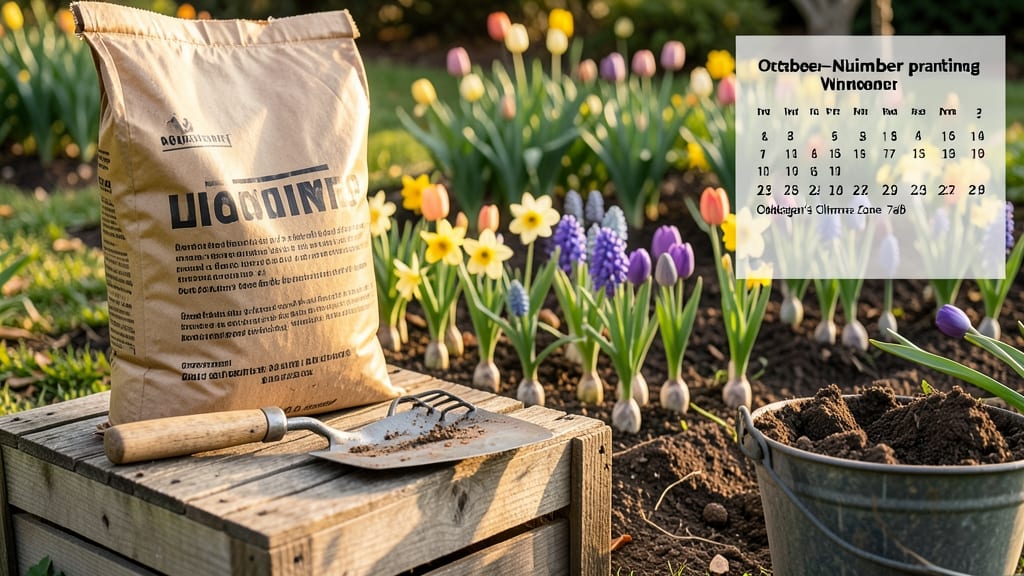
Planting bulbs in Oklahoma at the right time means the difference between vibrant spring blooms and a wasted investment.
Oklahoma’s unpredictable winters can make or break your bulb garden—plant too early, and frost ruins your blooms; too late, and you miss peak growth. Timing is everything, but the right schedule ensures tulips, daffodils, and more thrive year after year.
With USDA zones 6a-7b, your best window is September through November for fall-planted varieties like tulips and daffodils, while winter-planted bulbs like crocuses can go in as early as January. This isn’t just guesswork—it’s about matching your bulbs to Oklahoma’s frost dates and soil conditions.
Below, I’ll break down the exact months to plant by variety, how deep to bury them, and the one soil trick that keeps bulbs from rotting in Oklahoma’s clay-heavy soil.
Oklahoma bulb planting calendar: month-by-month guide for frost-free success
Oklahoma’s USDA zones 6-8 create a unique challenge for bulb gardeners—early frosts in November and late freezes in April demand precise timing. Unlike northern states, our mild winters can trick gardeners into planting too late, while unpredictable cold snaps threaten early bloomers.
The key? Planting bulbs when soil temps hit 60°F but before the first consistent frost.
Most spring-flowering bulbs (like tulips and daffodils) need 6-8 weeks to establish roots before winter. Fall-planted bulbs should go in the ground by mid-November, while winter-blooming varieties (such as snowdrops) can wait until January.
Let’s break it down by month to ensure your bulbs thrive despite Oklahoma’s variable climate.
🌱 PRO TIP: Use a soil thermometer to confirm temps—ideal planting soil should be 50-60°F for most bulbs.
| Month | Bulb Type | Planting Window | Soil Temp | Depth | Notes |
|---|---|---|---|---|---|
| August | Summer-Blooming (Dahlia, Canna) | Late August | 60-70°F | 3-4 inches | Tender bulbs; plant after last frost |
| September | Tulips, Hyacinths, Daffodils | Early to Mid-Sept | 55-65°F | 6-8 inches | Best time for cold-hardy bulbs |
| October | Crocus, Allium, Snowdrops | Mid-October | 50-60°F | 4-6 inches | Plant before first frost |
| November | Late Tulips, Fritillaria | Early November | 45-55°F | 6-8 inches | Last chance for fall planting |
| January | Winter-Blooming (Snowdrops) | Mid-January | 40-50°F | 3-4 inches | For early spring color |
| February | Spring-Blooming (Daffodils) | Late February | 50-60°F | 6-8 inches | Avoid planting too early |
In September, focus on tulips and daffodils—these need time to root before winter. Soil temps should be between 55-65
Top 5 mistakes Oklahoma gardeners make when planting bulbs (and how to avoid them)
Planting bulbs in Oklahoma’s unpredictable climate is tricky—one wrong move, and your tulips or daffodils might never bloom. I’ve seen gardeners struggle with timing errors, soil issues, and depth mistakes that cost them vibrant spring displays.
The good news? These common pitfalls are easy to fix with the right knowledge.
First, many gardeners plant bulbs too early in Oklahoma’s USDA zones 6-8. If you plant in August or early September, warm soil can trigger early growth, leaving tender shoots vulnerable to early fall frosts.
Wait until the soil cools to 60°F or below—usually mid-October—for most bulbs to thrive.
If you miss the fall window (Sept-Nov), don’t panic! Some spring-planted bulbs like tulips and hyacinths can go in January-February for late-spring blooms. Just chill them for 12-16 weeks first to mimic winter dormancy.
Another big mistake? Ignoring soil drainage. Oklahoma’s clay-heavy soils can drown bulbs, leading to rot and mold. Always plant in amended soil with compost or sand to improve aeration. Elevate bulbs in raised beds or mounds if your yard holds water after rain.
Many gardeners also plant bulbs too shallow. A common rule is 6 inches deep, but I’ve seen tulips planted only 2-3 inches down, leaving them exposed to freeze-thaw cycles.
Use your finger as a guide: dig a hole 3 times the bulb’s height—most bulbs fit perfectly when their top third peeks above soil level.
Overlooking fertilizer timing is another downfall. Bulbs need phosphorus and potassium to establish roots, but too much nitrogen can weaken stems. Mix a 5-10-10 fertilizer into the planting hole at 1 tablespoon per bulb, but skip spring feeds until after blooming—when foliage is still green.
Finally, some gardeners forget to mulch after planting. A 3-inch layer of straw or leaves insulates bulbs from temperature swings and retains moisture. Just remove mulch in early spring to avoid smothering emerging shoots. With these fixes, your Oklahoma bulb garden will bloom like never before!