
Flowers
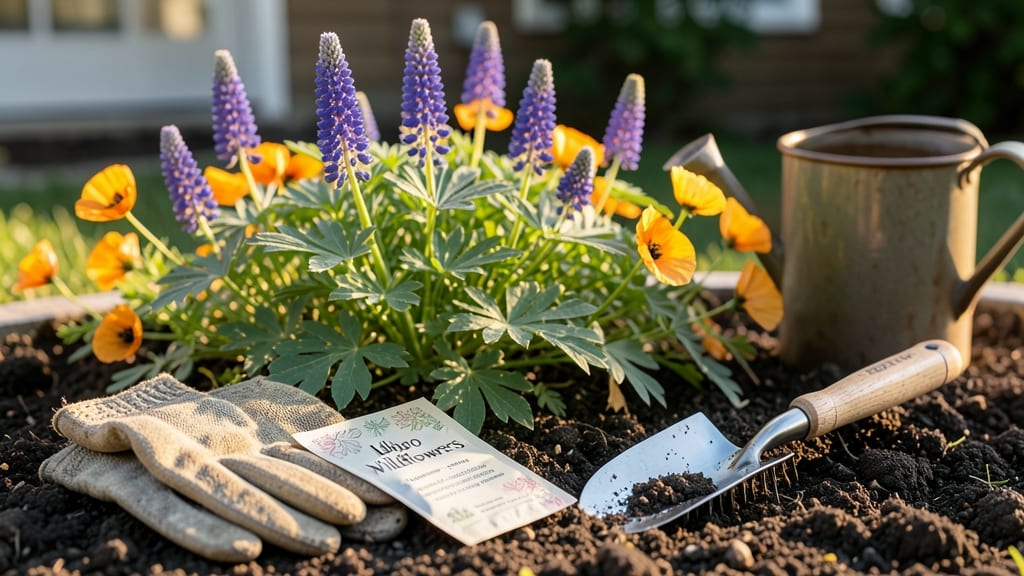
Planting flowers in Idaho at the right time ensures vibrant blooms and avoids wasted effort in the Gem State’s tricky frost patterns.
Timing your flower planting in Idaho’s diverse climate zones can mean the difference between a thriving garden and lost investments. Whether you’re in Boise’s Zone 7 or the cooler mountains of Zone 4, getting the planting window right is everything.
Most Idaho gardeners aim for late April to early June after the last frost, but fall planting in September works too for hardy perennials like lavender and coneflowers. The key is knowing your zone’s frost dates—Zone 4’s May 10 cutoff is far different from Zone 7’s May 1.
Below, I break down the exact months for annuals, perennials, and bulbs, plus how to adjust for Idaho’s microclimates—so you can plant with confidence and enjoy those 🌸 blooms all season long.
Idaho planting zones: when to plant flowers by USDA Zone (5-7)
Idaho’s USDA Zones 5-7 offer diverse microclimates, from snowy mountain valleys to warmer river basins. Understanding your frost-free dates is key to planting flowers successfully—whether you’re growing hardy perennials or delicate annuals.
In Zone 5, expect last frosts around May 15, while Zone 7 areas like Boise may see frost-free conditions by April 20. These differences mean your planting windows can shift by weeks!
For spring planting, aim to sow seeds or transplant after May 1 in Zone 7 or after May 15 in Zone 5. Fall planting works best from September to early October, giving flowers time to establish roots before winter. Bulbs like daffodils can even be planted in late fall (November) for early spring blooms.
Let’s break down the best times for your zone.
🌱 Pro Tip: Use a frost calendar or local weather service (like the National Weather Service) for real-time updates—Idaho’s unpredictable mountain frosts can delay planting by weeks!
| USDA Zone | Last Frost Date | First Frost Date | Spring Planting Window | Fall Planting Window | Best Flowers for Zone |
|---|---|---|---|---|---|
| Zone 5 | May 15 | October 5 | After May 20 | September 1–15 | Daffodils, Peonies, Lavender |
| Zone 6 | May 1 | October 10 | After April 25 | September 15–30 | Coneflowers, Black-Eyed Susans, Delphiniums |
| Zone 7 | April 20 | October 20 | After April 10 | September–October 10 | Lavender, Roses, Zinnias |
In Zone 5, where frosts linger longer, focus on cold-hardy perennials like peonies and daffodils. These thrive when planted in late spring (after May 20) or early fall (September). Annuals like marigolds can wait until after Memorial Day to avoid frost damage.
For Zone 7, you’ve got more flexibility—plant warm-season flowers like zinnias as early as April 10 and enjoy longer blooming seasons.
Fall planting in Idaho is a game-changer for perennials. September is ideal for planting lavender or coneflowers—they’ll establish roots before winter and burst into bloom next spring.
In Zone 6, where frosts arrive around October 10, aim to plant by September 15 to give roots time to settle. Bulbs like tulips can even be planted in late fall (November) for spring color.
Microclimates matter! Mountain valleys (like Zone 5 areas) may have 2–3 weeks later frost dates than river basins (like Zone 7 Boise). Check local weather stations or ask neighbors—their gardens hold clues! For example, sunflowers in Zone 7 can start 3 weeks earlier than in Zone 5.
🌿 Zone-Specific Tip: In Zone 6, black-eyed Susans planted in late April will bloom by July, while Zone 5 gardeners should wait until May 15 to avoid frost. Adjust timing based on your elevation—higher areas stay cooler longer!
For container gardening, you can push limits. Pots warm up faster in spring, so petunias or geraniums can go in 2 weeks earlier than in-ground plants. Just be ready to cover them if a late frost hits! Zone 7 gardeners can even try tender annuals like impatiens
Best flowers to plant in Idaho by season: spring vs. fall timing
Idaho’s diverse climate zones—from high-desert elevations to valley lowlands—create unique challenges for gardeners. The key to vibrant blooms lies in understanding seasonal timing and adjusting for your specific microclimate.
In Zone 5 (northern Idaho), frost can linger until May 15, while Zone 7 (southwest) often sees last frosts by April 20. This variation means your spring planting window can shift by 3 weeks depending on location.
For fall planting, the stakes are equally high. Cool-season flowers like pansies and snapdragons thrive when planted 6–8 weeks before first frost, but Idaho’s first frosts range from October 10 in Zone 5 to October 20 in Zone 7.
Getting this timing right ensures your garden stays colorful well into autumn, even as temperatures drop. Let’s break down the best flowers for each season and how to adapt your planting schedule for Idaho’s unpredictable frost patterns.
🌱 Idaho Flower Planting Timeline by Season
- 🌸 Spring Planting (After Last Frost):
- Zone 5: May 15–June 1 (tulips, peonies, irises)
- Zone 6–7: April 20–May 10 (dahlias, coneflowers, lavender)
- 🍂 Fall Planting (6–8 Weeks Before Frost):
- Zone 5: September 1–15 (mums, asters, sweet alyssum)
- Zone 6–7: September 15–October 1 (pansies, snapdragons, calendula)
- 🌿 Year-Round Perennials:
- Divide & transplant in early spring (April) or fall (September)
- Bulbs: Plant fall bulbs (tulips, daffodils) in October
- ⚠️ High-Desert Adjustments:
- Wait 1–2 weeks longer than valley zones for spring planting
- Fall planting can extend to mid-October due to cooler nights
Spring is the peak planting season for most Idaho gardeners, but the right flowers make all the difference. Cold-hardy perennials like peonies and irises can handle Idaho’s late spring frosts, while annuals like marigolds and petunias need warmer soil to germinate.
I recommend starting tender annuals indoors in March for a head start—this is especially useful in Zone 5, where soil stays cold longer. For bulbs like tulips, plant them in fall (October) so they establish roots before winter.
Fall planting often gets overlooked, but it’s a game-changer for extending your bloom season. Cool-season flowers like mums and asters thrive when planted in early September, giving you color until first frost.
These varieties are heat-tolerant during summer and cold-resistant as temperatures drop—a perfect match for Idaho’s variable autumns. For high-desert regions, you can push fall planting even later due to cooler nighttime temperatures, which slow plant stress.
One of my biggest tips for Idaho gardeners is to adjust for microclimates. A south-facing slope in Boise may warm up 2 weeks earlier than a valley garden in Coeur d’Alene. Pay attention to local frost dates—your neighbors’ gardens might not be the best guide.
If you’re unsure, use frost cloths for early spring plantings to protect delicate seedlings from late frosts, which can still hit in May in higher elevations.
Don’t forget about soil preparation—Idaho’s dry summers mean your soil can bake hard, making it tough for new plants to establish. Before planting, amend your soil with compost or aged manure to improve water retention.
For spring plantings, add a slow-release fertilizer to give flowers a nutrient boost as they grow. In fall, focus on mulching to protect roots from temperature swings.
With the right seasonal timing and a little local knowledge, you can create a stunning Idaho garden that blooms from spring through fall.
Start with cold-hardy spring flowers, transition to heat-loving summer blooms, and finish with frost-resistant fall varieties—your garden will stay vibrant no matter what Idaho throws your way. Happy planting! 🌷