
Plants
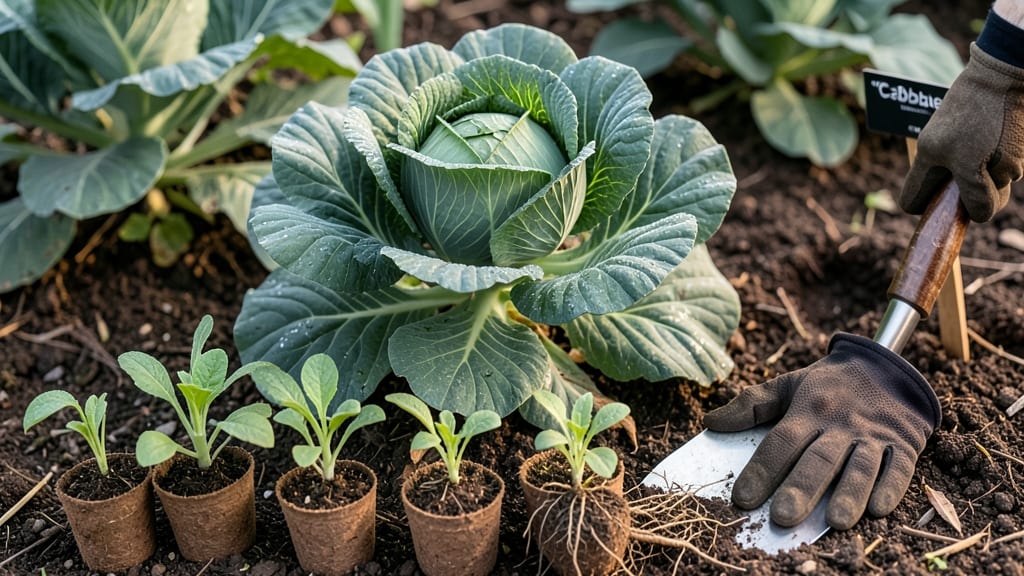
Plant cabbage in Zone 7b between mid-March and early April for spring harvests, or late summer for fall crops—timing this right is the difference between sweet, crisp heads and bitter, bolted failures.
If you’ve ever pulled up a cabbage plant only to find it flowering before forming a head, you know how critical the window is. Zone 7b’s mild winters and hot summers demand precision: plant too early, and frost zaps seedlings; too late, and the heat sends them into premature bloom.
Below, I break down the exact frost-free dates, the best varieties for your climate, and how to stretch your growing season with succession planting—so you can enjoy fresh 🥬 from June through November.
You’ll also discover how to prep soil for maximum yield, avoid the 5 most common mistakes that ruin cabbage growth, and even salvage struggling plants before it’s too late.
Zone 7b cabbage planting calendar: exact dates for spring & fall success
Cabbage in Zone 7b loves cool weather but wilts under summer heat—timing is everything. Plant too early, and frost will damage seedlings; too late, and your heads will bolt before maturing.
The last average frost date in Zone 7b is April 15, but your exact window depends on variety and heat tolerance.
For spring cabbage, aim to have seedlings ready 4-6 weeks before last frost (mid-March). For fall cabbage, start seeds 8-10 weeks before first frost (early August). Heat-tolerant varieties like 'Cavalo' can handle 80°F+ temperatures better than traditional types.
Here’s your Zone 7b cabbage planting calendar broken down by variety type and heat tolerance thresholds:
For spring planting, begin seeds indoors by February 15 to ensure hardened-off seedlings are ready by early April. Use black plastic mulch to warm soil faster if your spring is slow. For fall cabbage, prioritize heat-tolerant varieties and sow seeds by August 1 to avoid summer stress.
Watch for bolting—when cabbage sends up flower stalks—if daytime temps exceed 75°F for 3+ days. Provide afternoon shade with 50% shade cloth during heatwaves. Mulch with straw to keep roots cool and moisture consistent.
Adjust your last-frost date by checking local microclimates. Areas near water or at higher elevations may frost 2-3 weeks later than average. Use a frost calendar from your county extension office for precision.
Plan for succession planting every 2 weeks from March to August to stretch your harvest. Fast varieties like 'Early Jersey Wakefield' mature in 60 days, while storage types like 'January King' take 100 days. Rotate planting spots to prevent soil-borne diseases.
Pro tip: Mark your cabbage rows with bamboo stakes and string to track growth stages. This helps you time harvests and replanting efficiently. Aim to harvest before heads exceed 6 inches in diameter to avoid woody cores.
🌱
Best cabbage varieties for Zone 7b: fast-growing vs. heat-tolerant options
Choosing the right cabbage varieties for Zone 7b means balancing fast growth with heat tolerance. Early spring and late summer plantings require different approaches—some varieties bolt in summer heat while others thrive. Let’s compare your top options to avoid bitter leaves or wasted effort.
For cool-season success, 'Golden Acre' and 'Early Jersey Wakefield' are my go-to fast-growing varieties. These mature in 55-65 days and handle light frosts, making them perfect for March-April plantings. Their sweet, tender leaves stay crisp even when temperatures dip, but they’ll struggle if summer heat arrives before harvest.
When summer temperatures climb above 80°F, switch to heat-tolerant varieties like 'Cavalo' or 'Red Express'. These varieties mature in 70-85 days and can handle late August plantings for fall harvests. Their thicker leaves and slower bolting make them ideal for extending your growing season into October.
Here’s how these varieties stack up for Zone 7b plantings, including their ideal windows and key traits:
Fast-Growing vs. Heat-Tolerant Cabbage
Fast-Growing (Spring)
- ✅ Golden Acre - 55-60 days
- ✅ Early Jersey Wakefield - 60-65 days
- ✅ Best for: March-April
- ✅ Pros: Quick harvest, cold-hardy
- ❌ Cons: Bolts in heat
Heat-Tolerant (Fall)
- ✅ Cavalo - 70-80 days
- ✅ Red Express - 75-85 days
- ✅ Best for: August-September
- ✅ Pros: Handles heat, slower bolting
- ❌ Cons: Slower growth
My pro tip: For a continuous harvest, stagger plantings every 2-3 weeks in spring and again in late summer.
This ensures you’re always getting fresh heads while avoiding the bolting risk that comes with planting all at once. 'Golden Acre' planted in March will be ready by early June, while 'Cavalo' seeded in August can be harvested in October.
If you’re short on space, consider compact varieties like 'Miniature Peanut', which matures in 60 days and fits perfectly in containers. Its small heads (3-4 inches wide) are great for salads and won’t overcrowd your garden.
Just be sure to plant it in partial shade during peak summer to prevent bolting.
Remember, soil temperature matters just as much as air temperature. Wait until soil warms to at least 45°F for spring plantings and aim for 60-70°F soil in late summer. Use a soil thermometer to check—cool soil slows germination, while overheated soil can cause seedling stress.
With the right variety and timing, you’ll enjoy crisp, sweet cabbage from spring through fall in Zone 7b! 🥬