
Companion Plants
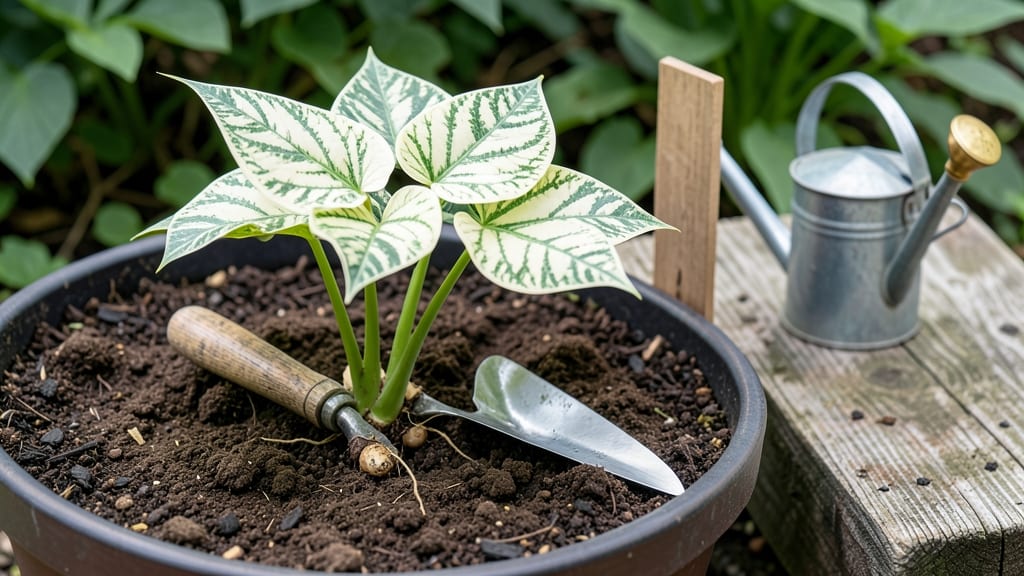
Planting caladium bulbs in Zone 7 after the last frost—typically mid-April to early May—sets the stage for their stunning tropical foliage to shine all summer.
But here’s the catch: get the timing wrong, and you’ll either watch them rot in cold soil or miss their vibrant display entirely. The key is waiting for soil temperatures to hit 50°F–60°F, a window that balances frost risk with root establishment.
In Zone 7, where spring can swing from chilly mornings to sudden heat waves, knowing the exact cues—like soil warmth and leaf-out in nearby trees—makes all the difference. Below, I’ll walk you through the step-by-step schedule to plant yours for maximum impact.
Once you’ve nailed the timing, the real secret is keeping them thriving: well-draining soil, morning watering, and just enough shade to prevent scorched leaves. Let’s get those caladiums 🌿 growing like pros!
Zone 7 soil temperature guide for planting caladium bulbs
Caladium bulbs thrive in Zone 7 when planted at the right soil temperature—typically between 50°F and 60°F. This range ensures roots establish before summer heat arrives, while avoiding the risk of frost damage.
In my garden, I’ve learned that rushing these tropical beauties too early leads to rot, while waiting too long means missing their stunning summer foliage. Let’s break down the critical thresholds and how to test your soil for perfect timing.
The ideal planting window in Zone 7 is mid-April to early May, right after your last expected frost date (usually around April 15). Caladiums are tender perennials, meaning they won’t tolerate freezing temperatures.
If planted too soon, the bulbs can rot in cold, wet soil. Conversely, planting after June 1 risks stunted growth because the bulbs won’t have enough time to establish roots before summer’s intensity.
To check your soil temperature, use a soil thermometer (available at garden centers for under $10). Insert it 4–6 inches deep—the depth where caladium bulbs will sit—and monitor readings daily.
Aim for consistent temperatures above 55°F for at least 3–5 days before planting. In my experience, morning readings are the most accurate because soil cools overnight.
For container gardening, soil warms faster than in-ground soil. If you’re growing caladiums in pots, you can plant 1–2 weeks earlier than in-ground plants, as containers absorb heat more quickly. Just ensure your containers have drainage holes to prevent waterlogging, which is a common killer of caladium bulbs.
Here’s a quick soil temperature checklist to avoid mistakes: ☑️ Below 50°F: Too cold—wait longer. ☑️ 50°F–55°F: Marginal—plant only if frost risk is past. ☑️ 55°F–60°F: Perfect planting zone—ideal for root growth. ☑️ Above 60°F: Risk of stress—plant sooner rather than later.
Mulching is another key strategy to regulate soil temperature. After planting, apply a 2–3 inch layer of mulch (like shredded bark or straw) to insulate the soil and retain moisture. This helps maintain stable temperatures and reduces the risk of bulbs drying out during Zone 7’s hot summers. I’ve seen caladiums in mulched beds thrive for weeks longer than those without protection.
If you’re unsure about your last frost date, check your local USDA Plant Hardiness Zone Map or ask your cooperative extension service.
For example, in Atlanta, GA (Zone 7b), the last frost is typically March 15, while in Richmond, VA (Zone 7a), it’s closer to April 1. Planting too early in colder microclimates can be disastrous, so always verify your local data.
| Soil Temp Range | Planting Window | Risk Level | Action |
|---|---|---|---|
| Below 50°F | Avoid planting | High (rot risk) | Wait for warmer soil |
| 50°F–55°F | Marginal (late April) | Moderate (frost risk) | Plant only if frost-free |
| 55°F–60°F | Ideal (mid-April–early May) | Low (optimal growth) | Plant and mulch |
| Above 60°F | Early (late May–June) | Moderate (heat stress) | Plant ASAP for root establishment |
Once your soil temperature hits the sweet spot, plant caladium bulbs 4–6 inches deep in well-draining, rich soil. Amend your garden beds with compost or aged manure to improve fertility, as caladiums love moist, organic soil.
After planting, water deeply to settle the soil and encourage root contact. I’ve found that drip irrigation or a soaker hose works best to avoid disturbing the bulbs.
Pro tip: If you’re in a warmer microclimate within Zone 7 (like near a south-facing wall), you can plant 1–2 weeks earlier. Conversely, cooler pockets (like shaded valleys) may need to wait until late May. Always observe your garden’s unique conditions—what works for my sunny Atlanta bed might differ from your shady Richmond garden.
Finally, remember that caladiums are short-lived perennials in Zone 7. While they’ll regrow if left in the ground, their foliage often fades by early fall.
To extend their show, dig up the bulbs after the first frost, clean off soil, and store them in a cool, dry place (like a paper bag in your garage) until next spring.
With the right soil temperature timing, you’ll enjoy their vibrant leaves from June through October—and that’s worth the wait!
Step-by-step planting schedule for caladium bulbs in Zone 7
Caladium bulbs thrive in Zone 7 when planted at the right time—typically between mid-April and early May. This window ensures they avoid late frosts while establishing roots before summer heat.
In my experience, planting too early risks bulb rot, while late planting may delay the stunning foliage display you crave. Let’s break down the perfect schedule to get your caladiums off to a vibrant start.
Before diving into planting, check your local last frost date. In Zone 7, this usually falls around April 15, but always verify with your local weather service. Caladiums need soil temperatures of at least 60°F to sprout successfully, so wait until the ground warms up.
You’ll know it’s time when nearby spring flowers like daffodils have finished blooming.
Step-by-Step Planting Schedule
- Mid-April: Test soil temperature with a soil thermometer (aim for 60°F+). Amend soil with compost and a balanced fertilizer (10-10-10).
- Late April: Plant bulbs 4-6 inches deep, spacing them 12 inches apart. Use well-draining soil mixed with peat moss for moisture retention.
- Early May: Apply a 2-inch mulch layer (straw or shredded leaves) to retain moisture and regulate soil temperature.
- May-June: Water deeply twice weekly (morning only) and fertilize lightly every 4-6 weeks for vibrant growth.
Start by preparing your planting area in late March or early April. Caladiums love rich, slightly acidic soil (pH 6.0–6.5). Work in 2–3 inches of compost or well-rotted manure to improve drainage and fertility.
If your soil is heavy clay, mix in sand or perlite to prevent waterlogging, which can cause bulb rot.
When planting, place the bulbs with the flat side down and the pointy end up. This orientation helps them sprout correctly. After covering with soil, gently water the area to settle the soil around the bulbs.
Avoid overwatering initially, as soggy soil can suffocate the bulbs before they’ve had a chance to root.
Once your caladiums are in the ground, focus on consistent moisture and partial shade. These plants love dappled sunlight—think morning sun and afternoon shade. Mulch heavily around the base to keep roots cool and retain moisture, especially during Zone 7’s hot summers.
With the right care, you’ll see vibrant foliage emerge in just 4–6 weeks.
Keep an eye out for new shoots in late May or early June. This is your cue that the bulbs have taken root and are ready for their full growing season. At this stage, you can increase watering slightly to support rapid leaf growth.
With this schedule, your caladiums will reward you with months of stunning tropical foliage from summer through early fall. 🌿