
Plants
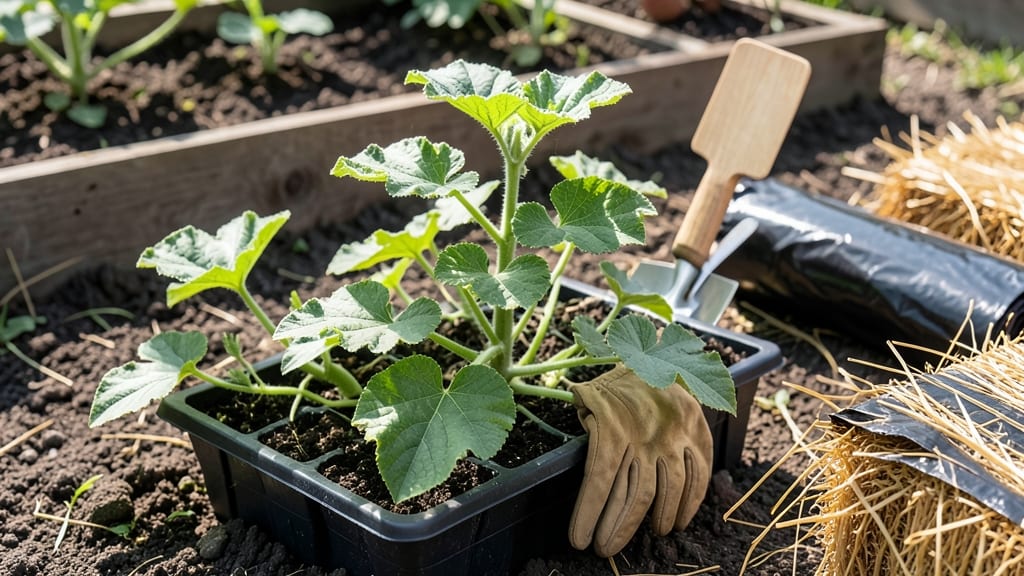
Planting cantaloupe in Georgia at the right time means the difference between a sweet summer harvest and wasted effort — aim for mid-April to early May when soil temperatures hit 60°F+ and frost risk fades.
Georgia’s warm climate and long growing season make 🍈 cantaloupe a perfect fit, but timing isn’t just about dates. Too early and cold soil stalls germination; too late and the heat arrives before fruit sets. I’ve seen both mistakes firsthand, and neither ends well.
Below, you’ll discover the science behind Georgia’s planting zones, how to read soil temperature like a pro, and regional adjustments for coastal, Piedmont, and mountain microclimates. Spoiler: black plastic mulch is your secret weapon for faster soil warming.
We’ll also cover post-planting care — mulching, watering schedules, and the one mistake that kills cantaloupe yields in Georgia’s humidity. Ready to turn your patch into a cantaloupe goldmine?
Georgia’s ideal cantaloupe planting window by soil temperature
Cantaloupe thrives in Georgia’s heat, but timing your planting based on soil temperature—not just calendar dates—is the secret to avoiding frost damage and slow germination. The magic number? 60°F soil for seeds to sprout, but 70°F+ for strong, healthy vines.
Without this warmth, your cantaloupe seeds may rot in cold, damp soil, leaving you with empty rows instead of sweet melons.
Georgia’s diverse regions—from the humid coastal plains to the cooler mountain valleys—experience frost-free dates that can vary by 3-4 weeks. Using a soil thermometer (just $10 at garden centers) lets you pinpoint the perfect moment to plant, whether you’re in Savannah or the Blue Ridge.
This precision ensures your cantaloupe vines grow vigorously from day one, not struggle to survive.
Here’s the month-by-month breakdown for Georgia’s 5 key growing regions, including soil temperature triggers and frost-free averages. Use this as your planting roadmap to maximize your harvest from July through September.
For coastal Georgia, where soil warms earliest, you can start direct-sowing seeds as early as mid-March if your soil hits 60°F. But in the mountains, wait until late April—planting too soon risks frost killing tender seedlings.
Pro tip: Check your soil temperature in the morning (afternoon sun can skew readings) using a thermometer placed 2 inches deep.
If your soil is still below 60°F by mid-April, don’t panic! Use black plastic mulch or row covers to warm the soil by 5-10°F. This trick works wonders in Piedmont and mountain regions, where cooler nights delay planting. Just remove covers once vines emerge to prevent overheating.
Georgia’s humidity also plays a role—too much moisture in cold soil can lead to seed rot. Aim for well-draining soil with a pH of 6.0-6.8.
Amend heavy clay soils with compost to improve aeration. Once your cantaloupe seeds sprout, they’ll need full sun (6+ hours daily) and consistent watering to thrive.
Remember, cantaloupe vines spread 3-6 feet wide, so space plants 3 feet apart in rows 5 feet apart. Overcrowding leads to poor air circulation, increasing the risk of powdery mildew. In coastal areas, where summers are long, you
How to adjust planting for Georgia’s microclimates (coastal vs. Piedmont vs. mountains)
Georgia’s diverse geography creates three distinct cantaloupe-growing zones, each with unique frost patterns and humidity challenges. A coastal gardener in Savannah enjoys a 20-day earlier start than a mountain farmer in Blue Ridge, but humidity levels also shift how vines develop.
Understanding these differences lets you fine-tune your schedule for peak sweetness and yield.
Humidity plays a surprising role—coastal areas see faster vine growth but higher powdery mildew risk, while Piedmont’s moderate climate balances growth and disease pressure. Mountain regions, though cooler, can extend harvests into October with proper planning.
Let’s break down the ideal transplant windows and soil temperature triggers for each zone.
| Region | Last Frost Date | Direct Sow Window | Transplant Window | Key Adjustment |
|---|---|---|---|---|
| Coastal (Savannah) | February 15 | March 1 - April 15 | Late February | Use shade cloth to prevent sunscald on vines |
| Piedmont (Athens) | March 15 | April 1 - May 1 | Mid-March | Apply mulch early to warm soil faster |
| Mountains (Blue Ridge) | April 15 | May 1 - June 1 | Late April | Choose earlier varieties (e.g., 'Minnesota Midget') |
For coastal gardeners, start seeds indoors in late January to transplant by late February. The warm ocean air means soil hits 60°F+ by March, but watch for powdery mildew—spray neem oil preventatively.
In the Piedmont, wait until mid-April for direct sowing, when soil consistently stays above 65°F. Use black plastic mulch to accelerate warming.
Mountain growers face the biggest challenge: shorter seasons. Begin seeds indoors by March 1 and transplant hardened-off plants by late April. Extend harvests by choosing bush varieties and using row covers until May 15.
Even in cooler zones, cantaloupes thrive with 8+ hours of sun—just give them extra time to mature.
Regardless of zone, soil temperature is non-negotiable. Use a soil thermometer to confirm 60°F+ for germination and 70°F+ for transplanting. Coastal soils warm fastest, while mountain soils may need 3-4 extra weeks of protection.
Adjust your schedule based on local frost data—check your county’s USDA Plant Hardiness Zone map for precise timing.
Pro tip: Piedmont gardeners can squeeze in a second planting in early July for fall harvests, while coastal areas might attempt one more round in August. Just remember—humidity slows drying, so avoid overhead watering to prevent fruit rot.
With these microclimate adjustments, you’ll turn Georgia’s diverse zones into cantaloupe powerhouses.