
Flowers
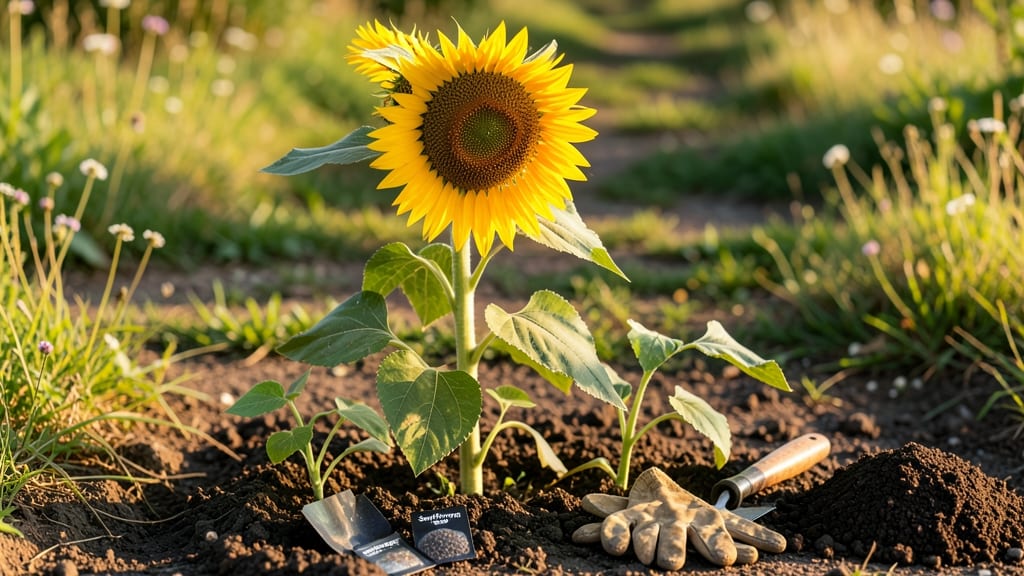
Planting sunflowers in Mississippi at the right time ensures those towering 🌻 blooms thrive from seed to harvest.
Mississippi’s 7b-8b climate means sunflowers can bloom twice a year—but timing is everything. Plant too early, and frost nibbles your seedlings. Too late, and summer’s heat zaps their energy before they reach their full height.
Whether you’re aiming for summer’s golden displays or late-season harvests, the key is soil warmth and frost-free dates. I’ll break down the exact windows for your region, plus how to pick varieties that match Mississippi’s short or extended growing seasons.
Ready to grow sunflowers that reach for the sky? Here’s when, where, and how to plant them for maximum impact.
Mississippi sunflower planting timeline: frost dates & optimal months
Mississippi’s diverse climate zones create unique planting windows for sunflowers, from the cooler Northern Delta to the warmer Gulf Coast regions. The state’s last frost dates typically range from mid-March in the South to early April in the North, while first frosts arrive between mid-November and late October.
These variations mean your planting schedule should adjust based on your specific USDA Zone (7b-8b) and desired bloom time.
For summer-blooming sunflowers, the ideal planting window spans from mid-March to early July, with peak growth occurring in May through August. In contrast, fall-planted sunflowers thrive when sown between late July and early September, allowing them to mature before winter’s chill sets in.
Understanding these windows helps you avoid frost damage while maximizing bloom time and seed production.
Northern Mississippi (e.g., Tupelo, Oxford) has a shorter growing season, so gardeners should focus on early-spring or late-summer plantings to ensure sunflowers reach maturity. Meanwhile, Southern Mississippi (e.g., Biloxi, Gulfport) enjoys a longer frost-free period, allowing for extended planting from March through September and even year-round growth in microclimates.
| Region | Last Frost Date | Best Planting Window | Ideal Varieties | Bloom Time |
|---|---|---|---|---|
| Northern MS (7b) | Early April | Mid-April to early June | 'Moulin Rouge', 'Teddy Bear' | June–September |
| Central MS (8a) | Mid-March | Late March to July | 'Autumn Beauty', 'ProCut' | May–October |
| Southern MS (8b) | Mid-February | February–September | 'Russian Giant', 'Sunspot' | April–November |
If you’re aiming for early summer blooms, start seeds indoors 4-6 weeks before your last frost date or direct-sow in late April. For fall harvests, plant seeds outdoors in July or August to ensure they mature before first frost.
This dual approach lets you enjoy sunflowers from June through November, depending on your region.
For direct sowing, wait until soil temperatures reach 50°F or warmer, typically 2-3 weeks after the last frost. Use a soil thermometer to confirm—sunflower seeds won’t germinate in cold soil.
In Northern Mississippi, this often means waiting until mid-April, while Southern gardeners can start as early as late February in protected microclimates.
Consider succession planting for continuous blooms: sow a new batch every 2-3 weeks from April through July. This strategy ensures your garden stays vibrant and provides a steady supply of edible seeds or cut flowers.
Just be mindful of spacing requirements—taller varieties like 'Russian Giant' need 18-24 inches apart, while dwarf types like 'Teddy Bear' can thrive in 12-inch spacing.
Mississippi’s humid subtropical climate also means sunflowers benefit from well-draining soil to prevent root rot. Amend heavy clay soils with compost or sand before planting, and choose a sunny, open location with 6+ hours of direct sunlight.
Even in shadier spots, sunflowers will grow, but they’ll be taller and less robust.
Pro tip: Mark your planting calendar with local frost dates from the National Weather Service or Mississippi State University Extension. These resources provide hyper-local adjustments for your specific county, helping you avoid late-season surprises like unexpected frosts.
With the right timing, your sunflowers will thrive year after year, adding height, color, and pollinator appeal to your garden. 🌻
Ideal soil temperature & sunflower growth stages in Mississippi’s climate
Sunflowers thrive when planted in warm soil, and Mississippi’s climate offers unique opportunities for both summer and fall blooms. The key to success lies in understanding your region’s soil temperature thresholds and how they align with sunflower growth stages.
In the Delta region, warmer soils arrive earlier, while the Gulf Coast enjoys extended growing seasons—both critical factors for timing your planting.
Sunflower seeds need soil temperatures above 50°F to germinate, with ideal conditions between 70°F and 90°F. In Mississippi, this typically means waiting until late April to early May in northern areas and as early as March in southern regions.
However, microclimates—like urban heat islands or sheltered garden spots—can shift these timelines by weeks.
- 🌱 Germination (50°F+ soil): Plant seeds when soil warms to 50°F+ (Delta: late April; Gulf Coast: March). Use a soil thermometer to confirm.
- 🌿 Seedling Stage (60°F+): Young plants need consistent moisture and 6+ hours of sun daily. Thin seedlings to 6-12 inches apart for large varieties.
- ☀️ Vegetative Growth (70°F+): Rapid stem and leaf growth occurs in 70°F+ soil. Fertilize lightly with 10-10-10 to encourage strong roots.
- 🌻 Flowering (80°F+): Buds form when temperatures stabilize at 80°F+. Water deeply at the base to prevent fungal issues.
- 🌾 Maturity (90°F+): Full sun and consistent warmth yield towering blooms. Harvest seeds when back of head turns yellowish-brown.
🌡️ Mississippi Microclimates: Delta (warmer, earlier planting) vs. Gulf Coast (longer season)
Adjusting for Mississippi’s microclimates is crucial. In the Delta region, where soils warm quickly, you can plant dwarf varieties like ‘Teddy Bear’ as early as March for summer blooms. Meanwhile, the Gulf Coast allows for fall plantings in late July to enjoy blooms through October, extending your harvest window.
For early blooms, start seeds indoors 4-6 weeks before the last frost (use heat mats if soil is slow to warm). Transplant seedlings outdoors when nighttime temperatures stay above 55°F. This method works well for northern Mississippi gardens where summers are shorter.
If you’re aiming for a fall harvest, opt for fast-maturing varieties like ‘Moulin Rouge’ and plant in late July. These sunflowers tolerate cooler soils and can still reach maturity before the first frost in November.
Mulch around the base to retain soil warmth and protect roots from temperature swings.
Monitor your sunflowers’ progress by tracking leaf and stem growth. Healthy plants will grow 2-3 inches per week under optimal conditions. If growth stalls, check for pests like sunflower moths or nutrient deficiencies (yellowing leaves indicate nitrogen needs).
Adjust care accordingly to ensure your sunflowers reach their full height and brilliance.